Provence Wine Tasting: A Planning Guide To Costs, Regions And Tours
Provence wine tasting spans budget-friendly half-day group outings to private full-day tours with a chauffeur. Here’s what to expect, what it costs, and how to choose the right experience for your trip.
Short answer
Half-day small-group wine tours in Provence start around $103 per person, with all tasting fees included. Full-day tours typically range from $180 to $209, while private full-day experiences start at $517 per person or $1,103 per group. Most operators include cellar door tastings and offer free cancellation, making a driven tour the safest way to explore the region’s appellations.
France’s probationary driving limit of 0.2 g/L blood alcohol means that a single glass of wine can put a new driver over the legal threshold, making a rented car and a day of tastings a risk not worth taking. That’s the honest reason a driven wine tour exists on this site. A tasting day in Provence can be a short Cotes de Provence hop or a full route through Bandol, Cassis or Chateauneuf-du-Pape. Provence Wine Tours lays out the options, prices and trip styles side by side, so choosing the right fit stays simple.
How Much Does A Wine Tasting In Provence Cost?
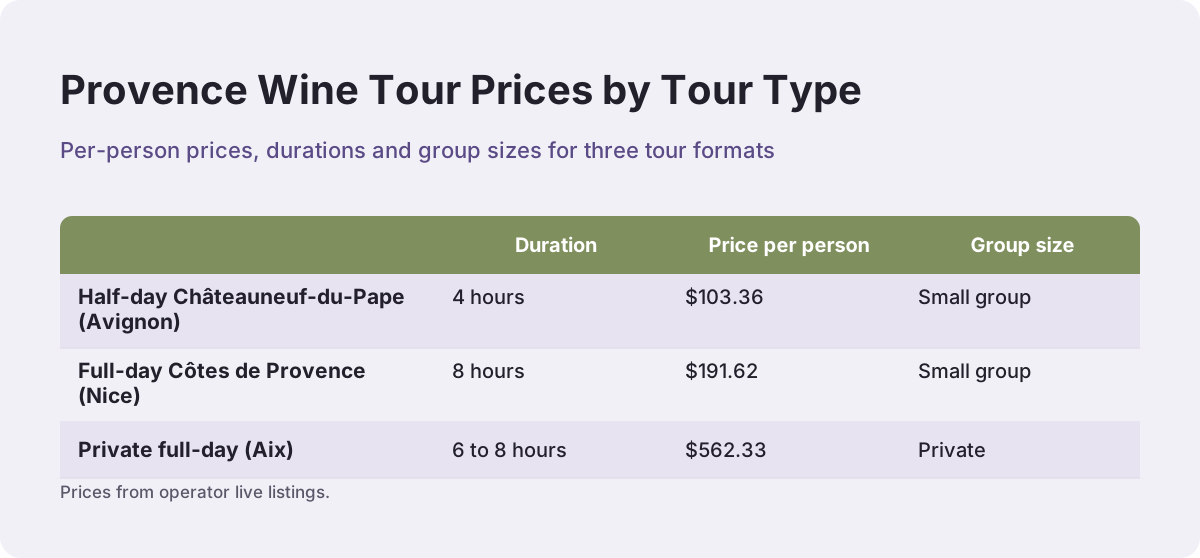
Half-day small-group wine tours in Provence start at $103.36 per person for a 4-hour Châteauneuf-du-Pape outing, while full-day tours range from $180.01 to $209.04 per person, with all tasting fees included. Private full-day experiences start at $516.80 per person or $1,103.29 per group for two, and most operators offer free cancellation, so you can book with confidence.
Prices vary by departure city, tour length and group size. Tours from Avignon tend to be the most affordable because the vineyards are closer, while Nice‑based tours cost slightly more to cover the longer transfer. Most tours (20 of the 22) include cellar door tasting fees in the price; two private departures pay at the cellar, so check the listing's inclusions line. Private tours price differently: some charge per group, others per person, so check each listing before comparing costs. The table below shows the spread across three common formats, with exact figures from the operator’s live listing.
| Tour type | Duration | Price per person | Rating & reviews | Group size |
|---|---|---|---|---|
| Half‑day Châteauneuf‑du‑Pape (Avignon) | 4 hours | $103.36 | 4.8 across 456 reviews | Small group |
| Full‑day Côtes de Provence (Nice) | 8 hours | $191.62 | 4.9 across 237 reviews | Small group |
| Private full‑day (Aix) | 6 to 8 hours | $562.33 | 5 across 33 reviews | Private |
The prices above are the operators' own published rates. Half‑day tours are the most popular entry point, while private tours let you set the pace and choose the estates. Free cancellation up to 24 hours before departure is standard, so you can secure a spot early without risk.
What’s Included In A Provence Vineyard Day?
Nearly every small-group wine tour in Provence includes all cellar door tasting fees, round-trip transport from a central meeting point, and an English‑speaking guide. Many full‑day tours also include a sit‑down lunch, while private tours can be customized to include a meal or extra stops. Free cancellation up to 24 hours before departure is standard across the roster.
Tours run in a small-group format, with transport in an air-conditioned vehicle, so you travel in a small group and can ask questions along the way. Tastings are held at two to four estates, and the guide often adds commentary about the appellation, the grapes and the winemaking process. Lunch, when included, is usually a regional meal at a restaurant or a picnic among the vines. Private tours can go further, adding stops at a lavender field, a hilltop village or an olive oil mill if you ask. Because the guide handles the driving, you can taste without worrying about France’s strict drink‑driving limits, which are especially tight for anyone on a probationary licence.
These three tours show the range: a full‑day deep dive in Châteauneuf‑du‑Pape, a half‑day introduction, and a compact three‑hour tasting on the Sainte‑Victoire route. Each includes all tasting fees and free cancellation.
Which Wine Regions Can You Visit On A Tasting Tour?
Provence’s wine tours typically focus on one or two of its major appellations: Châteauneuf‑du‑Pape and the Rhône villages from Avignon, Côtes de Provence and Coteaux d’Aix‑en‑Provence from Aix, and Bandol and Cassis from Marseille or the coast. Each region has a distinct character, from the powerful reds of Bandol to the crisp whites of Cassis and the world‑famous rosés of the Côtes de Provence heartland.
The table below summarises the key appellations you’re most likely to visit on a tour, with their AOC dates and the grapes that define them. For a deeper look at specific areas, see our guides on Châteauneuf-du-Pape wine tours and Bandol and Cassis wine tours.
| Appellation | AOC granted | Key grapes | Signature style |
|---|---|---|---|
| Côtes de Provence | 1977 | Grenache, Cinsaut, Syrah, Tibouren | Rosé (89% of production) |
| Coteaux d’Aix‑en‑Provence | 1985 | Grenache, Syrah, Counoise, Vermentino | Elegant rosés, structured reds |
| Bandol | 1941 | Mourvèdre (50 to 95% in reds) | Age‑worthy reds, structured rosés |
| Cassis | 1936 (one of France’s first six AOCs) | Marsanne, Clairette (whites) | White‑dominant (70% of production) |
| Châteauneuf‑du‑Pape | 1936 (same first‑six group) | Grenache, Syrah, Mourvèdre (18 entries; 13 grapes once mutations merge) | Full‑bodied reds, complex whites |
| Luberon | 1988 (as Côtes du Luberon) | Grenache, Syrah, Vermentino | Approachable reds and rosés |
How Long Do Wine Tours Last?
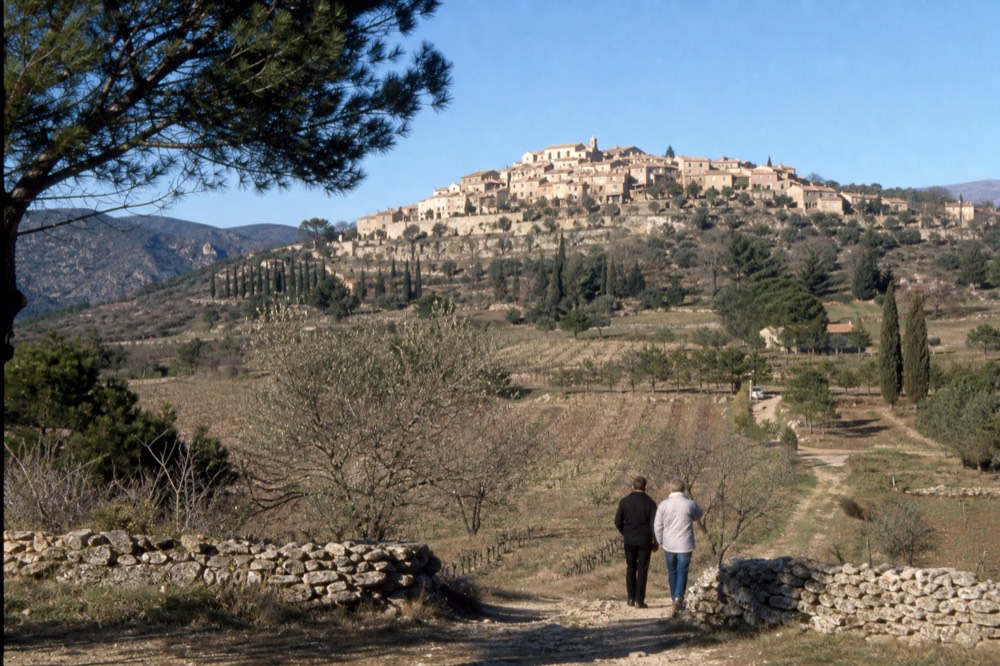
Provence wine tours range from compact 3‑hour half‑day tastings to full‑day excursions of 7 to 10 hours. A typical half‑day tour lasts 3.5 to 5 hours and visits two or three estates, while a full‑day tour runs 7 to 9 hours, includes lunch, and often covers a broader area like the Luberon or Bandol coast. The longest option is a 10‑hour Luberon villages and wine tour from Aix.
Half‑day tours are ideal if you want to taste without committing a full day, and they usually start in the morning or early afternoon. Full‑day tours give you time to explore a wider region, sit down for a long lunch, and visit a fourth estate. The 10‑hour Luberon tour adds a village stop to the wine route, making it a hybrid sightseeing‑and‑tasting day. For a deep dive into Châteauneuf‑du‑Pape, the Three‑Estates tour from Avignon visits three domaines in a single day, with all tastings included. Check availability on the operator’s live listing.
What Are The Tasting Rules In Provence?
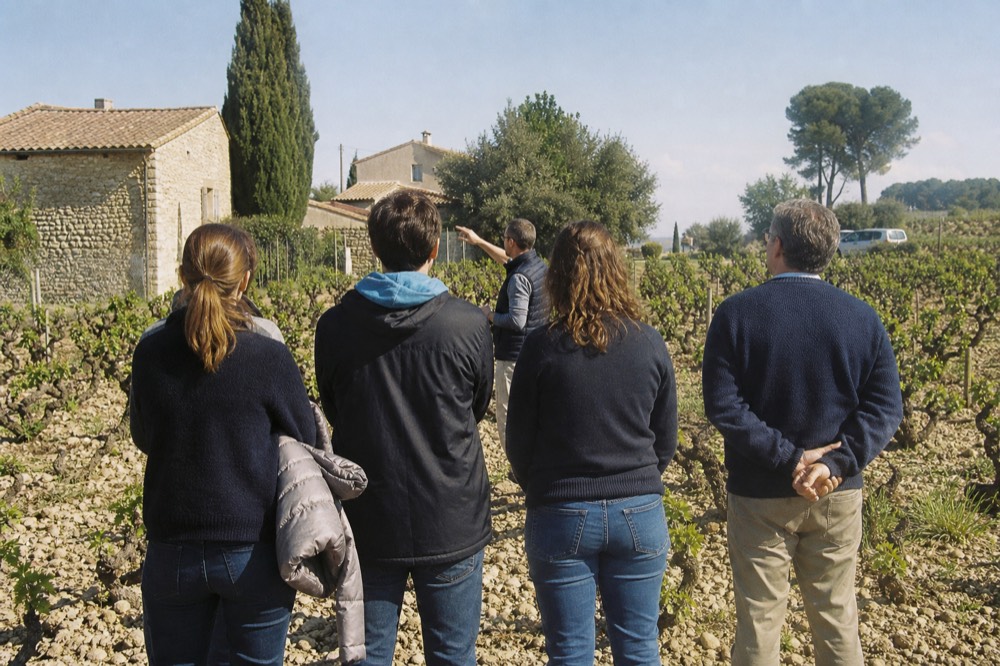
The legal drinking age in France is 18, and cellar doors are required to ask for proof of age. Driving limits are strict: 0.5 g/L blood alcohol for experienced drivers, but only 0.2 g/L for anyone on a probationary licence, which lasts three years after passing the test. That effectively means zero alcohol for new drivers, so a driven tour is the safest way to taste.
The 0.2 g/L limit applies to anyone who obtained a licence for the first time, or after a judicial invalidation or cancellation, for three years (or two years after accompanied driving). Service‑Public confirms the probationary period, and the official driving‑rules page sets the breath‑alcohol thresholds. The penalty for driving between 0.5 and 0.8 g/L includes a fine up to 750 euros and six points removed; above 0.8 g/L it becomes a criminal offence with a fine up to 9,000 euros and possible imprisonment. There is no national rule on tasting‑room pour sizes or spittoon provision, but the 18‑year‑old age rule and the driving limits apply at every cellar door. A booked tour arrives at estates the operator has arranged, so you can taste without worrying about the road.
| Driver category | Blood alcohol limit | Breath alcohol limit |
|---|---|---|
| Experienced driver | 0.5 g/L | 0.25 mg/L |
| Probationary licence holder (first 3 years) | 0.2 g/L | 0.10 mg/L |
When Is The Best Time For A Wine Tasting In Provence?
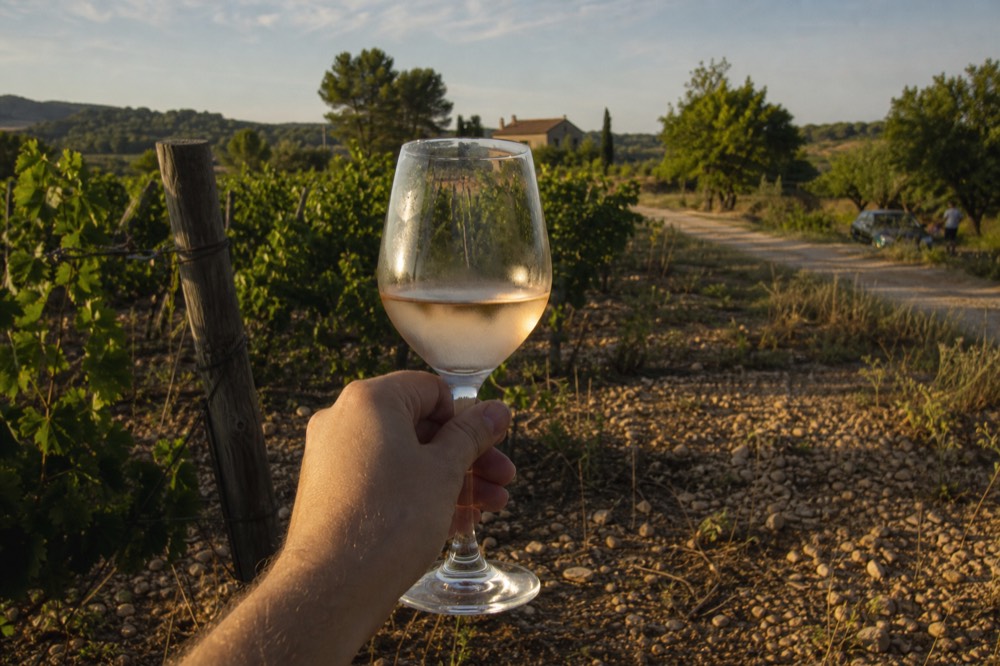
The harvest runs from mid‑August through September, offering a behind‑the‑scenes look at the winemaking process, but tastings are available year‑round. Spring and autumn bring milder weather and fewer crowds, while the mistral wind is strongest in winter and spring, particularly around Avignon and Châteauneuf‑du‑Pape, so pack a windproof layer if you’re tasting in those months.
The CIVP reported the earliest parcels were cut around 12 August in 2025, and the harvest runs into September for later sectors. The mistral, a dry regional wind, can gust to 80 to 100 km/h on roughly ten days a year around Istres, and it’s strongest in winter and spring, according to Météo‑France. That makes a windproof jacket essential for a spring tasting on the Rhône side. July and August are the busiest months for short‑term rental accommodation, but wine tours operate all season, and a September visit lets you combine pleasant weather with harvest activity. For a half‑day introduction that fits into a busy itinerary, the 4‑hour Châteauneuf‑du‑Pape tour from Avignon, rated 4.8 across 456 reviews, includes all tastings.
How To Plan A Wine Tasting Day In Provence
Start by choosing a departure city that matches your itinerary: Avignon for the Rhône, Aix for Côtes de Provence and the Luberon, or Nice and Cannes for coastal appellations. Book a small‑group tour with included tastings and free cancellation, and check the tour duration to match your schedule. Most tours meet at a central point, so plan to arrive 10 minutes early, and bring a valid ID if you look under 18.
The distance between your base and the vineyards matters. Châteauneuf‑du‑Pape is only 17.4 km from Avignon (about 23 minutes), but 89.3 km from Aix (67 minutes), so a full‑day tour from Aix spends more time on the road. If you’re staying on the coast, a tour from Nice to the Côtes de Provence heartland covers about 85.6 km each way, while a trip from Marseille to Cassis is a short 25.7 km. These real drive times, sourced from OpenStreetMap routing, explain why most tours stick to one or two appellations. The table below gives free‑flow driving times from popular bases to key wine areas.
| Departure city | Destination appellation | Road distance | Free‑flow driving time |
|---|---|---|---|
| Avignon | Châteauneuf‑du‑Pape | 17.4 km | 23 min |
| Avignon | Gigondas | 46.7 km | 44 min |
| Aix‑en‑Provence | Puyloubier (Sainte‑Victoire) | 24.5 km | 31 min |
| Aix‑en‑Provence | Lourmarin (Luberon) | 40.1 km | 39 min |
| Marseille | Cassis | 25.7 km | 33 min |
| Nice | Les Arcs‑sur‑Argens (Côtes de Provence) | 85.6 km | 68 min |
For a full‑day coastal option, the Côtes de Provence tour from Nice covers the region’s rosé heartland with hotel pickup and all tastings included. See also our wine tours from Nice guide for more departure options along the coast.
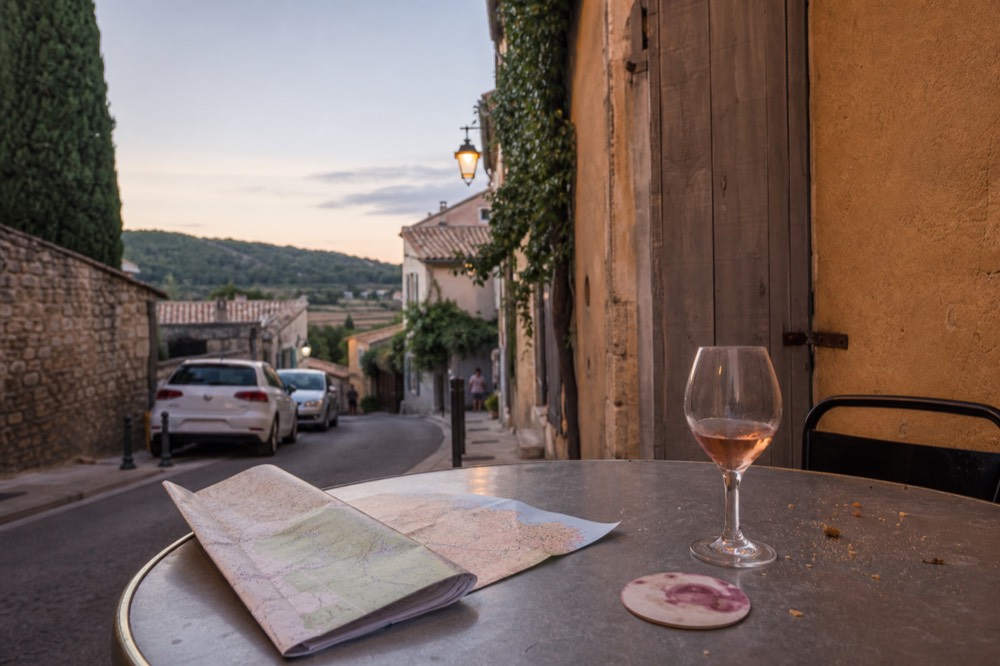
Whether you’re after a half‑day introduction or a full‑day immersion, these tours cover the region’s best appellations with all tastings included and free cancellation.
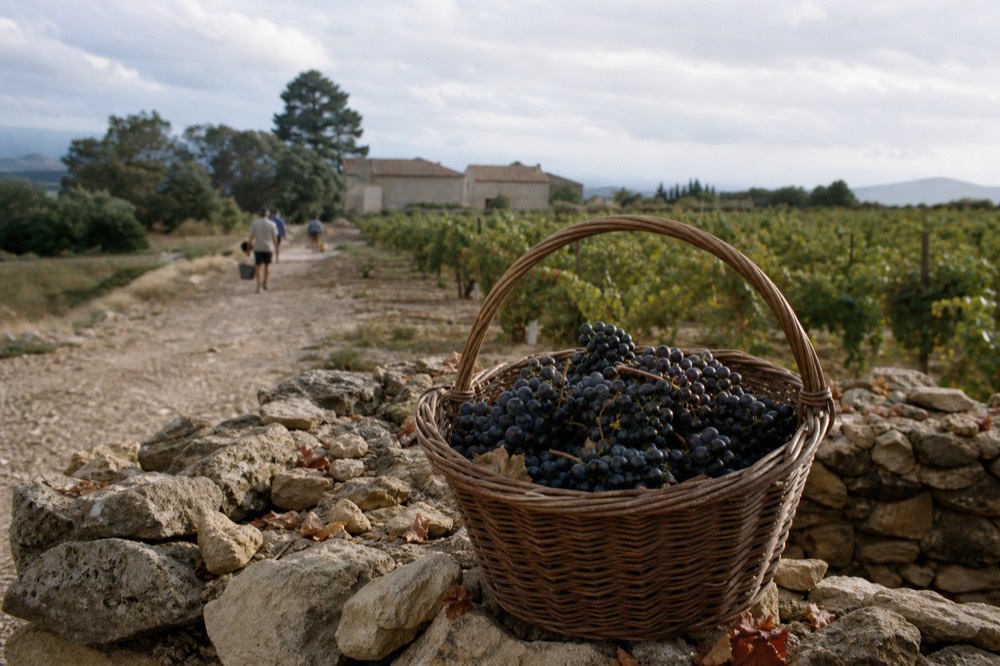
Timing your tasting day around the seasons can make a real difference. The grape harvest in Provence typically starts in late August and runs into mid-September, and the 2024 harvest brought in 1,130,139 hectoliters across the three main AOPs, with rosé making up 89% of the total. If you visit during harvest season, you may see pickers in the vines and trucks loaded with grapes on the small country roads around the appellations, though cellars are often busier and some visits need booking further ahead. Outside the harvest, spring and early summer offer quieter tasting rooms and flowering vines, while July and August bring the biggest crowds to coastal appellations like Cassis, which sits just 25.7 km from Marseille.
What you taste will depend on where you go, so match the appellation to your preferences before booking. Provence produces 40 to 45% of French AOP rosé and about 5% of the world's rosé, so the Côtes de Provence estates around Aix and Les Arcs‑sur‑Argens pour mostly pale pink rosé alongside smaller amounts of red and white. The Rhône villages reachable from Avignon, Châteauneuf‑du‑Pape and Gigondas, lean toward structured reds, and Châteauneuf‑du‑Pape famously allows up to 13 grape varieties in its blends. Bandol, further west, is the appellation for serious Mourvèdre‑based reds that must age a minimum of 18 months in barrel or foudre by law, while Cassis, one of France's first six wine AOCs decreed on 15 May 1936, is best known for its white wines that pair with the local seafood along the calanques.
One practical note for any tasting day: the mistral. This cold, dry wind can gust above 100 km/h on roughly ten days a year around the Istres‑Avignon corridor, and it most often blows in winter and spring. On mistral days the sky is usually brilliantly clear, which is great for photos over the vineyards, but the wind can make terrace tastings uncomfortable and occasionally slows driving on exposed roads, so build a little flexibility into your schedule if the forecast shows strong gusts. Whatever the weather, plan to eat before or after your tastings rather than during, as most small‑group tours include tastings but not full meals, and having something in your stomach makes the day far more enjoyable.
When you weigh the drive times against your available hours, a useful rule of thumb is to keep each leg of the journey under an hour where possible. From Avignon, both Châteauneuf‑du‑Pape at 23 minutes and Gigondas at 44 minutes fit comfortably into a half‑day or full‑day outing, and the two can be combined into a single Rhône itinerary without excessive time in the vehicle. From Aix, Puyloubier in the Sainte‑Victoire hills at 31 minutes and Lourmarin in the Luberon at 39 minutes are similarly close, which makes Aix the most flexible base if you want to sample both Côtes de Provence rosé and Luberon wines in one trip. The long haul from Nice, 85.6 km and 68 minutes each way, is better suited to a full‑day tour than a short outing, so travelers with only a morning free may prefer to stay closer to their base. Marseille visitors get the shortest option of all: Cassis sits 25.7 km away, about 33 minutes of driving, which leaves plenty of time for tastings and a walk along the calanques in a single afternoon (see From Marseille).
Pairing your appellation to your tastes also helps you decide between a half‑day and a full‑day tour. If pale rosé is the goal, the Côtes de Provence estates near Aix and Les Arcs‑sur‑Argens deliver exactly that, with red and white as supporting acts. If structured reds appeal more, the Châteauneuf‑du‑Pape and Gigondas tours from Avignon concentrate on the Rhône's bigger blends, including Châteauneuf‑du‑Pape's famous use of up to 13 permitted varieties. Bandol's legally required 18 months of barrel or foudre aging means its Mourvèdre‑based reds taste noticeably deeper and more savory than most wines poured elsewhere in the region, while Cassis whites are the natural pick for anyone planning a seafood lunch by the harbor. Since most small‑group tours stick to one or two appellations, choosing the wine style first and the departure city second usually produces the most satisfying day.
Common Questions About Provence Wine Tasting
How Much Does A Wine Tasting In Provence Cost?
Half‑day group tours start at $103.36 per person, full‑day tours range from $180.01 to $209.04, and private tours start at $516.80 per person or $1,103.29 per group. All tasting fees are included, and most operators offer free cancellation.
What Is Included In A Provence Wine Tour?
Round‑trip transport, an English‑speaking guide, and cellar door tasting fees are standard. Many full‑day tours include lunch, and private tours can be customized with extra stops.
Which Wine Region Is Best For Tasting In Provence?
Châteauneuf‑du‑Pape is the heavyweight for reds, Bandol for age‑worthy Mourvèdre, Cassis for whites, and Côtes de Provence for rosé. The best region depends on the style you want to taste.
How Long Do Wine Tours Last?
Tours range from 3‑hour half‑day tastings to 10‑hour full‑day excursions. A typical half‑day is 3.5 to 5 hours, a full‑day 7 to 9 hours.
What Are The Drinking And Driving Rules In France?
The legal limit for experienced drivers is 0.5 g/L blood alcohol, but it drops to 0.2 g/L for probationary licence holders. A driven tour is the safest way to taste.
When Is The Best Time To Go Wine Tasting In Provence?
Harvest (mid‑August to September) offers a behind‑the‑scenes experience, while spring and autumn have milder weather and fewer crowds. The mistral wind is strongest in winter and spring, so pack a windproof layer.