Which Winery In Châteauneuf-du-Pape Is The Best To Visit?
There is no single best winery in Châteauneuf-du-Pape, but there is a best way to choose one: match the cellar to what you want from the visit. Here is how to decide.
Which Winery In Châteauneuf-du-Pape Is The Best To Visit?
No single winery is the best in Châteauneuf-du-Pape, and any list claiming one estate tops them all is guessing. The appellation covered about 3,200 hectares farmed by 320 holdings as of 2010, and the right cellar for you depends on whether you want village history, a modern showpiece, or a long seated tasting. The best visit is the one that matches your day, your budget and your transport.
That answer frustrates people who want a name, so let us unpack why the question has no single answer, and what the better question looks like.
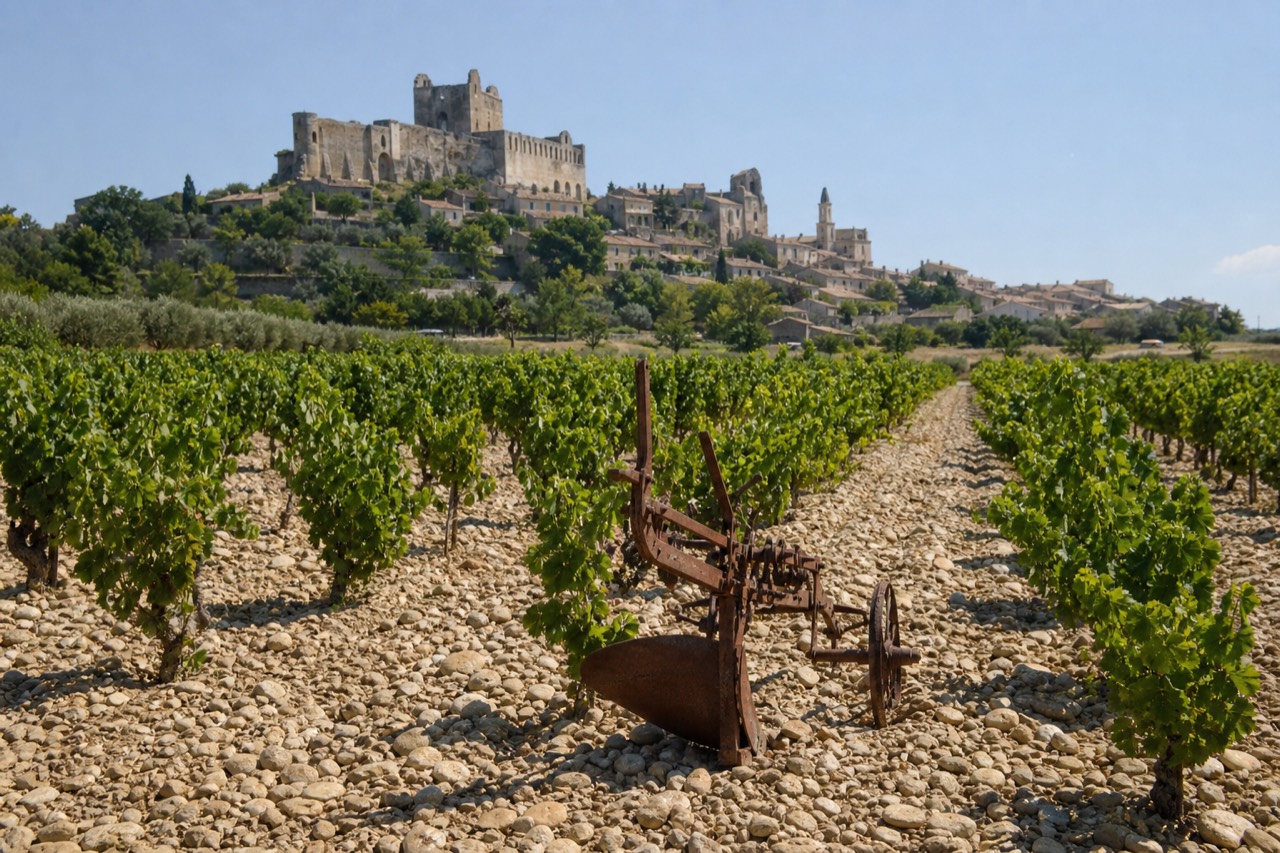
Châteauneuf-du-Pape is a village appellation in the southern Rhône, not a single producer. Its growers range from tiny family holdings to large négociant houses that buy fruit across the region, and the visitor experience differs just as widely. Some cellars sit in the village itself, in stone buildings around the château ruins on the hill. Others sit out among the famous galets roulés, the heat-retaining rounded stones that cover parts of the plateau. A cellar in the village gives you a walkable morning with views; a cellar out in the vines gives you the landscape the appellation is famous for.
What you can say with confidence is structural. The appellation was recognised by the decree of 15 May 1936, one of France's first six wine AOCs alongside Cassis, Arbois, Cognac, Monbazillac and Tavel, per the INAO. The often-repeated claim that it was "the first AOC, in 1923" is legend: what actually happened in 1923 is that growers, with Baron Le Roy de Boiseaumarie, founded the first syndicate to defend the origin, and the rules they wrote fed into the 1936 decree. Any cellar that leans on the 1923 story as a founding date is telling you something about its marketing, not its history.
Since choosing one estate is genuinely hard, most first-time visitors get more from a small-group tour that visits several cellars and lets a guide arrange the appointments. These three are the strongest options for the area:
What Should You Look For When Picking A Cellar To Visit?
Pick the cellar that matches your three constraints: how you are getting there, how long you have, and how deep a tasting you want. A booked appointment beats turning up, because opening hours are set estate by estate and no region-wide schedule exists. If you are driving yourself, the French limit of 0.5 g/L blood applies, and 0.2 g/L on a probationary licence.
Start with transport, because it is the constraint that quietly decides everything else. The village is 17.4 km from Avignon, about 23 minutes of free-flow driving, and 89.3 km from Aix-en-Provence, about 67 minutes each way (see Free Things In Aix). A day built around one cellar makes sense from Avignon; from Aix it means nearly 90 minutes behind the wheel before the first pour and the same again after it, which is exactly why driven tours exist here. The drink-driving law is the honest reason: the general limit is 0.5 g of alcohol per litre of blood, and anyone who passed their test in the last three years, or two years after accompanied driving, is held to 0.2 g/L, which is effectively zero glasses. That is the statute, not a scare line.
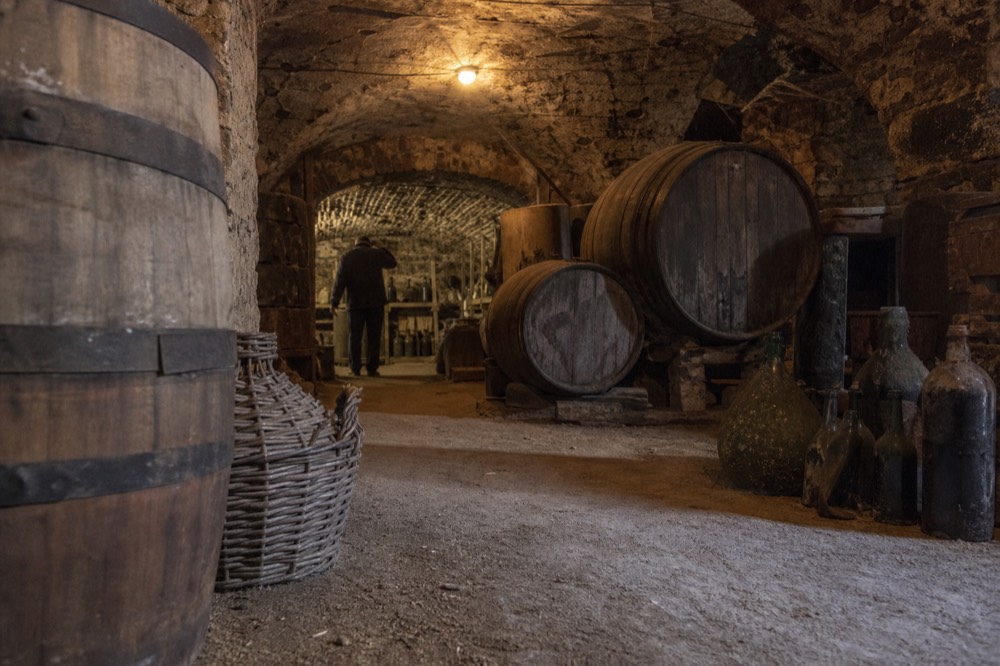
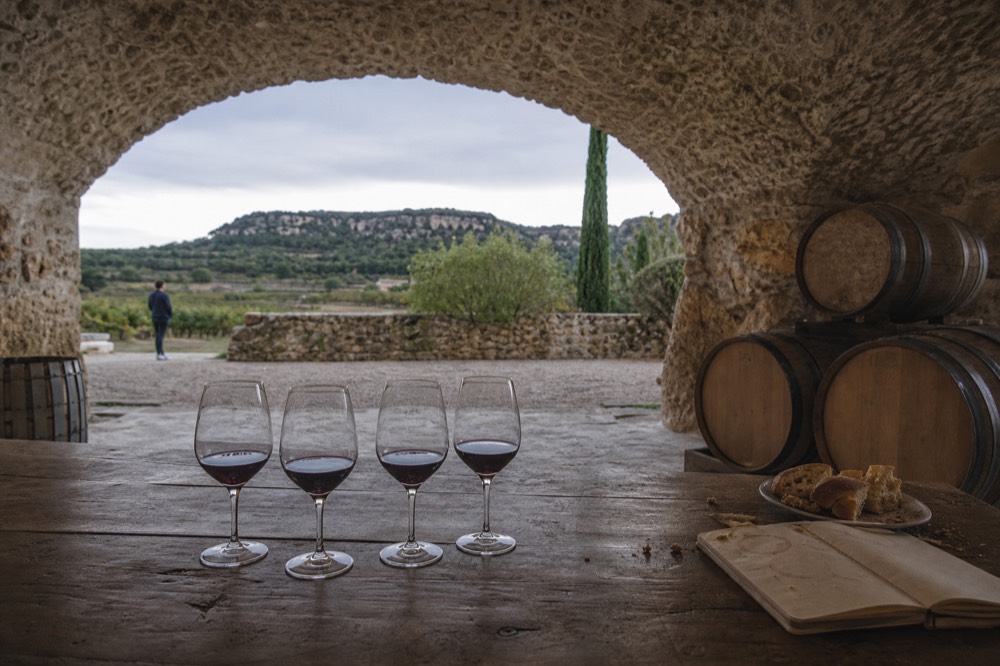
Then decide what kind of visit you actually want. A short standing tasting at a bar suits a morning with other plans, while seated tastings take longer. A seated tasting with a cellar tour suits a day built around the appellation. And a vertical or parcel-by-parcel tasting, where the same wine is poured from different plots or vintages, suits someone who already knows they love Châteauneuf and wants to understand why. Estate websites and the village's own visitor information describe which of these each cellar offers, and our Châteauneuf-du-Pape wine tours guide covers the practical side of booking.
One warning worth carrying: do not judge a cellar by its grandeur. Some of the most photographed buildings in the village pour competent but commercial ranges, while plainer cellars a few streets away pour the interesting stuff. Reviews on the live listings help, but the pattern that matters is repeated mention of the host taking time, not the architecture.
If you would rather skip the choosing entirely, the half-day small-group option from Avignon is the easiest fit for a first visit, and it is the tour we would point most people towards:
Is It Better To Visit One Winery Or Three In A Day?
Three cellars in a day beats one, provided someone else drives. Each estate in Châteauneuf-du-Pape blends differently, from a shared palette of up to 18 permitted varieties, so tasting three houses back to back teaches you more in one afternoon than a single cellar can in a week. The trade-off is stamina and cost: three tastings is a full day.
The reason three works so well here is the appellation's unusual grape law. The current official spec names 18 entries for red and white, and the traditional count of 13 collapses the colour mutations of the same grape: clairette, grenache and piquepoul each appear in two or three colours but count once in the old tally. Grenache dominates most blends, but syrah, mourvèdre, cinsaut and a long tail of local varieties all appear, and every house weighs them differently. One cellar shows you one interpretation. Three show you the range.
A structured way to compare the formats:
| Visit format | Time needed | What you learn | Best for |
|---|---|---|---|
| One cellar, seated tasting | 1.5 to 2 hours | One house style in depth | Visitors with a favourite producer |
| Two cellars plus village walk | Half day, around 4 hours | Two styles plus the hilltop setting | First-timers on a tight schedule |
| Three cellars, driven tour | Full day, 7 hours or more | The appellation's full range | Anyone who wants the complete picture |
The three-estates day tour from Avignon is built exactly around that third row: seven hours, tastings included in the price, small group, and a 5.0 rating across 553 reviews at $207 per person. It is the format that answers the "which winery is best" question most directly, because after three estates you will have your own answer rather than someone else's.
What Does Châteauneuf-du-Pape Wine Actually Taste Like?
Expect full-bodied, warm, spicy reds built on grenache, with a characteristic dried-herb and dark-fruit profile, plus a small amount of white that is rich and round rather than crisp. The reds typically show ripe red and black fruit, garrigue herbs, pepper and stone-warmth, and they age well. The whites, often grenache blanc and clairette based, are textured and food-friendly.
The village sits where the Rhône valley meets Provence, and the wine reflects that: southern ripeness with a structured edge. The galets roulés, the rounded stones left by ancient glaciers, cover parts of the plateau and radiate heat back into the vines at night, which pushes ripeness in a way few French appellations can match. Whether the stones make the wine taste different is debated; that they define the landscape is not.
For a visitor, the practical point is that the reds are strong. Gigondas white must reach a minimum natural alcohol of 12%, and a three-wine tasting is a genuinely filling experience on an empty stomach. Eat first, take the water offered, and treat the spittoon as a tool rather than an insult, especially if you are the one holding car keys.
The appellation also has a white side that surprises people. Whites are a small share of production, but they are among the most distinctive in the south, and a cellar that pours both colours side by side gives you the fullest picture of what the terroir does. If you enjoy richer white wines, ask specifically whether a white is in the tasting line-up before you book.
How Far Is Châteauneuf-du-Pape From Avignon, Aix And The Coast?
Châteauneuf-du-Pape is 17.4 km and about 23 minutes' free-flow driving from Avignon, 89.3 km and about 67 minutes from Aix-en-Provence, and 46.7 km and 44 minutes from Gigondas if you are pairing the two appellations. These are road distances without traffic, not tour durations, and August or a busy Saturday on the A7 can stretch them.
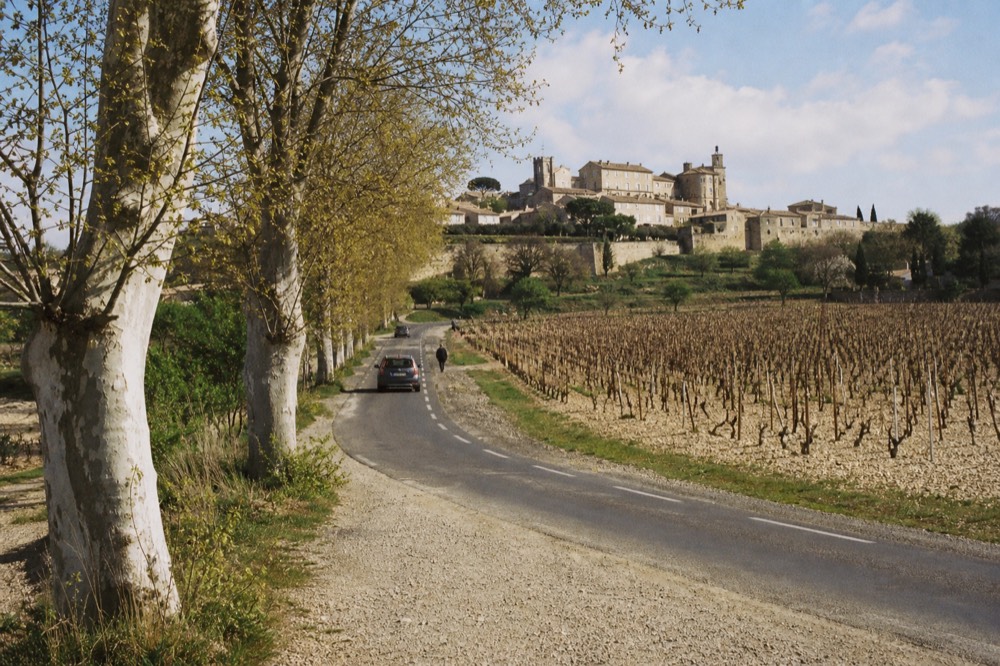
The honest-broker point in those numbers: Avignon is the natural base for a Châteauneuf-du-Pape day, and Aix is not. A tour labelled "from Aix" is a real thing, but it is nearly a 90 km drive each way before anyone tastes anything, and buyers should be told that plainly before they book. From Avignon, the village is close enough that a half-day works comfortably, which is why so many of the strongest tour options depart there.
Pairing Châteauneuf with its neighbours is where distance starts to matter more. Vacqueyras is 34.5 km from Avignon, Gigondas 46.7 km, and the two together with Châteauneuf make a classic southern Rhône loop. That loop is exactly what the private Gigondas and Châteauneuf-du-Pape day covers: eight hours with a driver-guide, $1,219.42 per group for up to eight people, tastings paid separately at the cellar door. For a group of six or more splitting the cost, it lands near the small-group tours per head, with full control of the itinerary.
When Is The Best Time Of Year To Visit The Wineries?
May, June, September and October are the sweet spots: warm, less crowded than July and August, and outside the peak visitor rush. The harvest starts in the earliest parcels in the second half of August and runs into September, so early autumn can coincide with the vineyard at its busiest and most interesting. Winter and spring visits carry a mistral risk, not a rain risk.
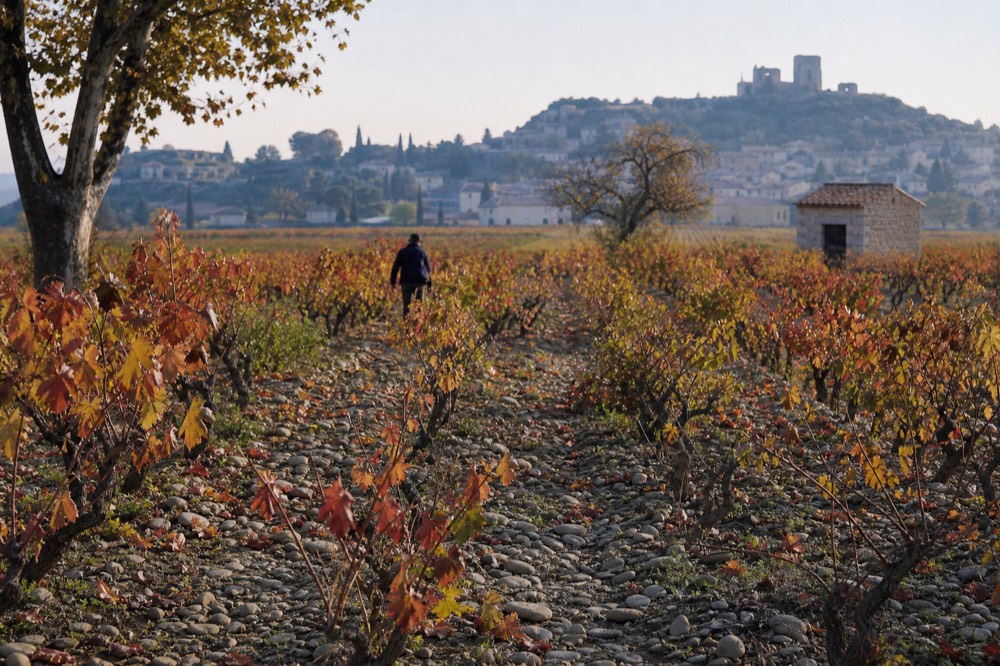
The mistral deserves a specific mention because it shapes the Rhône side of Provence more than visitors expect. Météo-France describes it as a regional wind, turbulent and generally dry, averaging around 50 km/h with gusts of 80 to 100 km/h, strongest in winter and spring, and able to last several days or more than a week. Its strongest zone runs between Orange, Avignon, Istres and Arles, which is precisely the Châteauneuf-du-Pape side, and precisely where the outdoor-terrace tastings are. The practical consequence: bring a windproof layer to a spring tasting, and do not be surprised by a blustery terrace in April. The wind clears the cloud, so mistral days are usually brilliantly sunny.
Harvest time is the other seasonal consideration. The interprofession reported the first cuts of the 2025 harvest around 12 August in the earliest parcels, with later sectors picking through mid-September. A September visit can catch the cellars mid-vinification, which is either a bonus or a disruption depending on the estate: some love showing visitors the presses running, others suspend tours entirely. Ask before you book if seeing the harvest matters to you.
For a fuller run-down of the surrounding region, our Provence wine region guide places Châteauneuf in context against the rosé appellations to the south, and Provence Wine Tours covers every departure city with tour options for each.
The questions below are the ones visitors ask most before a Châteauneuf-du-Pape day, answered with the same figures used throughout this article. They cover booking, driving, the number of cellars per day and the distance from each base city. Read the one that matches your situation, or scan them all before you commit to an itinerary.
Common Questions About Visiting Châteauneuf-du-Pape Wineries
Which Winery In Châteauneuf-du-Pape Is The Best To Visit?
There is no single best winery. With roughly 320 holdings across about 3,200 hectares as of 2010, the appellation offers village cellars, vineyard-side estates and négociant houses, each with a different style of visit. Match the cellar to your transport, your schedule and how deep a tasting you want, or take a small-group tour that visits several estates and lets you compare.
Can You Visit Châteauneuf-du-Pape Wineries Without A Booking?
Some cellars in the village accept walk-ins, but opening hours are set estate by estate and there is no region-wide schedule, so a booked appointment or a tour with pre-arranged stops is the reliable route. A booked tour arrives at cellars the operator has arranged, which is the real reason booking beats turning up.
How Many Wineries Can You Visit In One Day In Châteauneuf-du-Pape?
Two comfortably on a half-day, three on a full day with a driver. The three-estates day tour from Avignon runs seven hours with tastings included, which is about the ceiling before palate fatigue and the drive back set in.
Can I Drive Myself Between Châteauneuf-du-Pape Wineries?
You can, but the drink-driving limits make it a poor plan. The general limit in France is 0.5 g/L blood, and probationary licence holders, which includes anyone who passed their test in the last three years, are held to 0.2 g/L, effectively zero. A driven tour or a single cellar with a long walk in between is the safer structure.
Is Châteauneuf-du-Pape Worth Visiting If I Mostly Drink Rosé?
Yes, but know what you are getting. The appellation is overwhelmingly red, full-bodied and grenache-based, and its whites are rich rather than crisp. If pale dry rosé is your main interest, the Côtes de Provence side of the region fits better; if you want to understand the Rhône, Châteauneuf is the essential stop.
What Is The Closest City To Châteauneuf-du-Pape For A Wine Tour?
Avignon, at 17.4 km and about 23 minutes' free-flow driving to the village. Aix-en-Provence is 89.3 km away, nearly 67 minutes each way, so tours from Aix spend more of the day on the road than tours from Avignon do.
If you are weighing options for the day itself, these three cover the range from a short half-day to a private two-appellation loop: