Why Is Provence So Famous?
Provence is famous for rosé, lavender, hilltop villages, light that changed painting, and food, and the numbers behind each are more specific than most guidebooks admit.
Why Is Provence So Famous?
Provence is famous because it is the world's reference point for dry rosé, producing 40 to 45% of French AOP rosé and about 5% of all rosé on earth, wrapped in a landscape of lavender fields, limestone hilltop villages and a coast that painters, writers and later film made globally iconic. The fame compounds: the wine, the light, the food and the scenery each advertise the others.
Fame of this kind usually has one engine. Provence has at least five, and they reinforce each other in a way few regions manage. The rosé made the wine world take notice, and the rosé exists because of a climate and a landscape that painters had already fallen for a century earlier. The lavender and the villages made the postcards, and the postcards made the rosé sell better abroad. In 2024 the three core Provence appellations alone exported 434,445 hectolitres of wine, up from 404,344 hectolitres in 2019, a trade built substantially on that image.
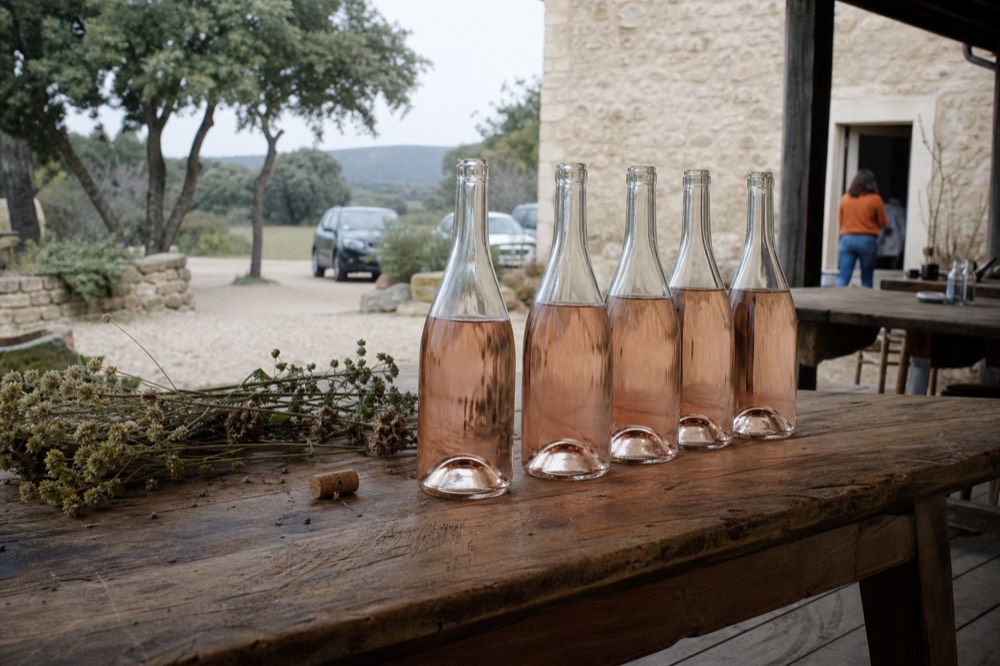
Start with the wine, because it is the most measurable claim. The 2024 harvest across Côtes de Provence, Coteaux d'Aix-en-Provence and Coteaux Varois en Provence came in at 1,130,139 hectolitres, and 89% of it was rosé. White took 6% and red 5%. That single-minded split is not a marketing choice; it is the region's identity on paper, filed with the official interprofession each year. When a bartender in New York or Sydney pours a pale pink bottle with a Provençal label, this is the pipeline it came from.
The fame is old, though, older than the rosé boom by two thousand years. The Romans planted vines here, and some of France's earliest formal wine recognitions landed in this corner of the country: Cassis and Châteauneuf-du-Pape were among France's first six wine AOCs, all decreed on 15 May 1936. That history gives the region a legitimacy that newer rosé regions cannot borrow.
If you want to taste the famous version rather than read about it, three tours cover the three most recognizable faces of the region: the hilltop-village Luberon, the Sainte-Victoire rosé country near Aix, and Châteauneuf-du-Pape on the Rhône side.
What Is So Special About Provence, France?
What is special is a rare concentration of assets in one small region: the reference global style of dry rosé, several distinct wine appellations with their own rules, a documented quality of natural light, landscape that runs from limestone plateaus to calanque cliffs, and a food culture anchored in olive oil, tomatoes and herbs. The mistral wind even shapes the wine, keeping vines dry.
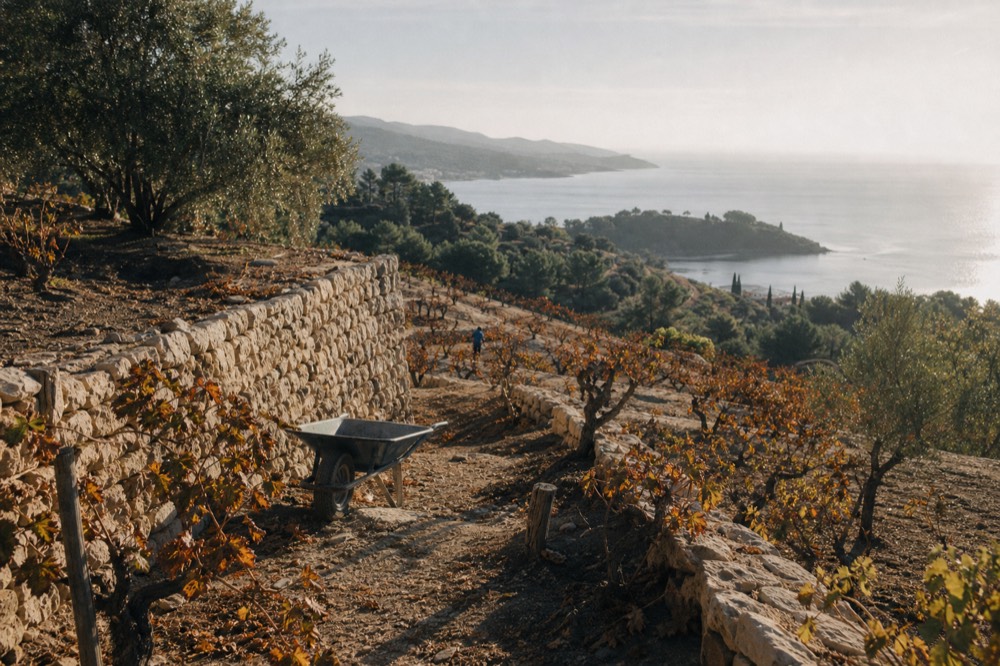
The region's wine map is far more varied than the rosé reputation suggests. Côtes de Provence, granted by the decree of 24 October 1977, now spans 20,300 hectares across 84 communes in three departments, and more than half of that area is organic or HVE certified. Coteaux d'Aix-en-Provence followed in 1985, Bandol in 1941, Cassis in 1936, Les Baux-de-Provence in 1995, the Luberon in 1988. Each has its own grape rules, its own yield caps, its own personality.
Cassis is the contrarian that proves the point. In a region defined by pink wine, Cassis is officially white-dominant, about 70% of its total production, built on clairette and marsanne. Bandol goes the other way: its reds must contain 50 to 95% mourvèdre and must age a minimum of 18 months in barrel or foudre before release. These are not stylistic whispers, they are rules in the national appellation specifications, and they are the reason a serious wine traveler can spend a week here without repeating an experience.
Then there is the light. The mistral, the dry north wind that runs down the Rhône valley at an average of 50 km/h with gusts of 80 to 100 km/h, sweeps cloud out of the sky, and mistral days are characteristically dry and very sunny. Painters noticed this long before tourists did. Cézanne painted the Sainte-Victoire mountain above Aix dozens of times, Van Gogh produced his most famous work in a single year near Arles, and the painters who followed them effectively marketed the region's visual identity to the world.
Wondering which of these famous landscapes to commit a day to?
Why Did The Light Make Painters Famous, And Provence With Them?
Painters made Provence famous as a place where light itself behaves differently, because the dry mistral air and southern latitude produce a hard, clear illumination that sharpens color and shadow. Cézanne's repeated studies of Sainte-Victoire and Van Gogh's Arles year are the two most famous bodies of work, and both turned local scenery into icons of art history.
Cézanne was born in Aix-en-Provence and rarely left. The mountain he painted, the Sainte-Victoire, now carries its own wine sub-denomination on the eastern side of the Côtes de Provence appellation, with vineyards in communes like Puyloubier, 24.5 km and about 31 minutes' drive from Aix. Visitors who stand where he stood are looking at the same limestone ridge whose name appears on bottles today. Van Gogh's case is even more extreme: in roughly fifteen months around Arles and Saint-Rémy he painted sunflowers, wheat fields, night cafés and starry skies, and the region's reputation as a place of saturated color traveled with those canvases into every major museum.
The light itself is physically explained. The mistral clears cloud and haze; the Mediterranean latitude lifts the sun; the white limestone and dry earth bounce light upward into the scene. Photographers and film crews chase the same effect now, which is why the region keeps appearing on screen and why the image refreshes itself each generation.
Aix is still the practical base for the Cézanne side of this story. The Cézanne Country Côtes de Provence tour runs three hours into that landscape for $117.01 per person, rated 4.9 across 288 reviews with tastings included.
Is The Lavender Part Of Why Provence Is Famous?
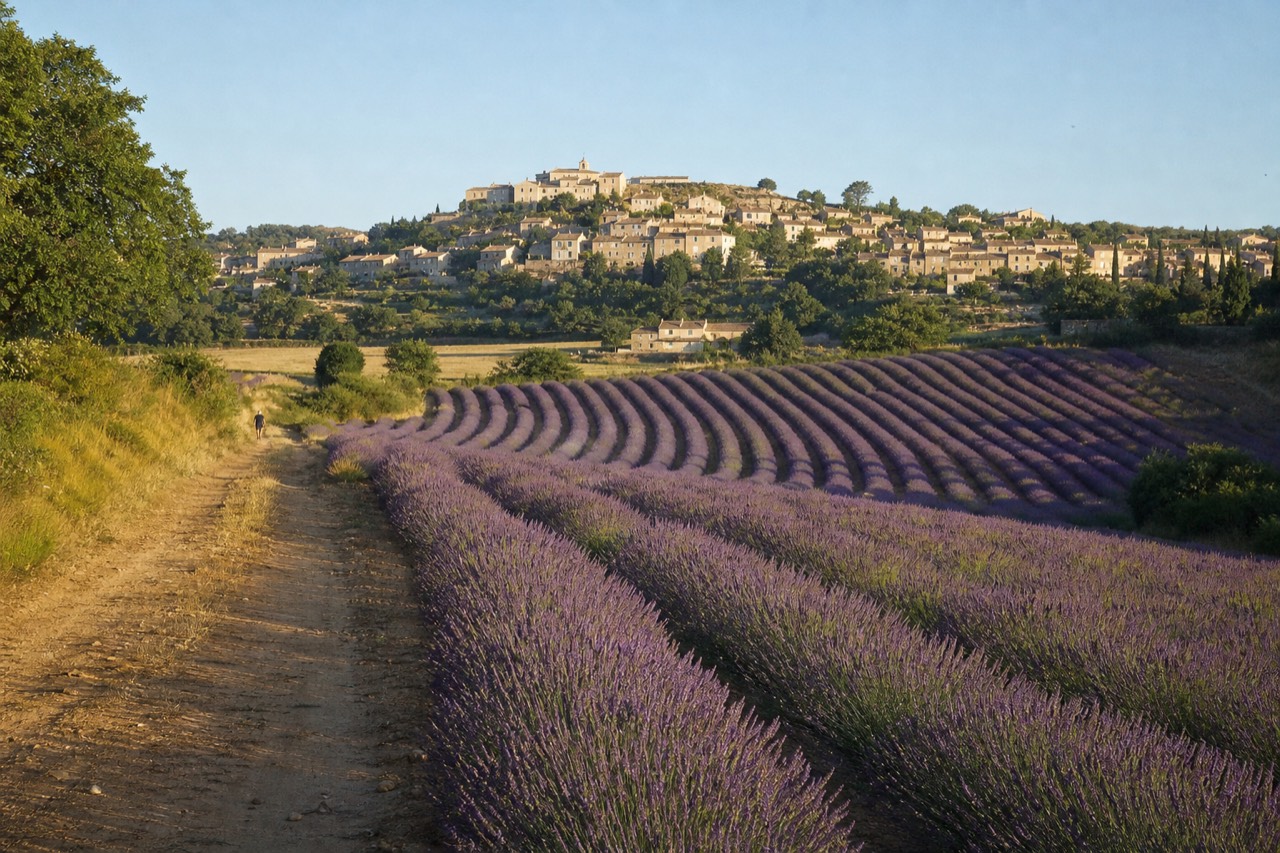
Yes, the lavender fields are one of the strongest single images of the region, so strong that they have come to stand for the whole of southern France in global advertising, even though the bloom window is narrow, roughly late June to early August, and much of the famous photography happens in a handful of Valensole-plateau and Luberon spots.
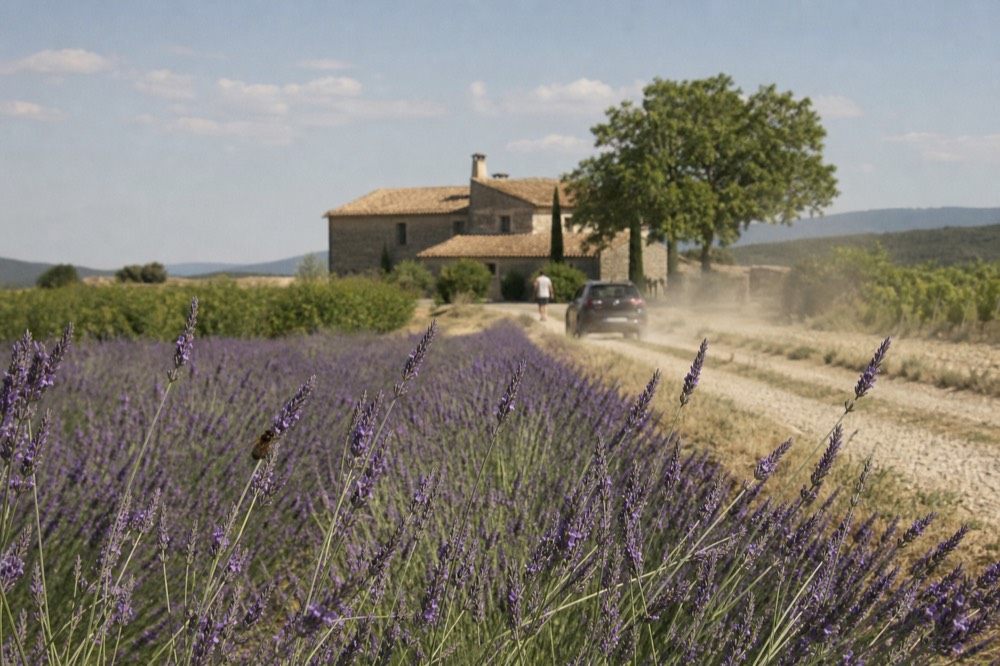
The honest version of the lavender story includes a caveat most visitors never hear: lavender is a crop with a season, not a permanent feature. The iconic violet sheets exist for a few weeks. Outside that window the same plateaus are gold with wheat or stubble, which has its own following but not the same fame. Travelers who plan around the bloom should also know the peak visitor months line up with it: INSEE counts April to September as the summer season, and the region recorded 43.1 million tourist nights in that window in 2025.
The lavender and the wine sit in the same landscapes, which is part of the compounding effect. The Valensole plateau is inside Côtes de Provence territory; the Sault and Luberon lavender country sits beside the Luberon appellation's own vineyards, first recognized as Côtes du Luberon in 1988 and renamed simply Luberon in 2009. A day trip can honestly cover both purple rows and cellar doors, and many do.
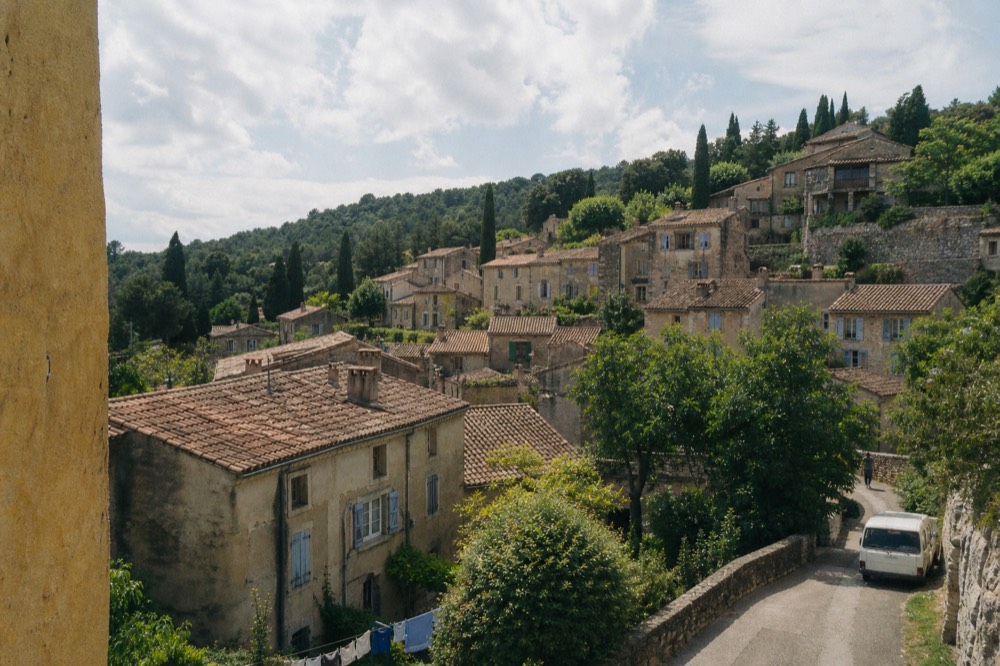
The villages complete the picture. Gordes, Roussillon, Bonnieux, Lourmarin: these limestone hilltops are a 40 to 50 km drive from Aix, roughly 39 to 52 minutes on free-flowing roads. Their fame is self-reinforcing, because the villages photograph beautifully and the photographs draw more visitors, who photograph them again. If you want to plan around the region's peak seasons rather than fight them, the piece on the best month to visit Provence breaks the trade-offs down month by month.
Is The Food Part Of The Fame Too?
Yes, Provençal food is a pillar of the region's fame: olive oil, tomatoes, garlic, herbs and aubergines, in dishes like ratatouille, soupe au pistou and tapenade, plus markets that are attractions in themselves. The cuisine is famously simple, which is exactly why it depends on ingredient quality and why the markets matter.
The food and the fame feed each other through the market circuit. Aix, Apt, L'Isle-sur-la-Sorgue and Saint-Rémy all host weekly or periodic markets that draw visitors who came for lavender and wine but leave having bought soap, honey and cheese. Apt's market is one of the most celebrated in the region, and the Luberon villages around it, reachable on the 10-hour village-and-wine circuit from Aix, are where the postcard version of Provençal market life is most intact.
The wine is never far from the table. Rosé at 89% of the core region's production is built as a food wine, dry and pale, and the local pairing logic runs from rosé with bouillabaisse-adjacent seafood in Cassis to the structured, mourvèdre-led Bandol reds with lamb and game. Visitors tasting at a Bandol cellar are drinking a red that has spent at least 18 months in wood by law, a rule that distinguishes it from almost every other rosé-led region in France.
For readers planning the eating side seriously, the site's guide to what food is famous in Provence covers the dishes and where each one actually comes from, and the piece on the best market in Provence compares the market circuit.
How Big Is The Wine Reputation, In Numbers?
The numbers are larger than most visitors expect: the three core Provence AOPs made over 1.1 million hectolitres in 2024, 89% of it rosé, more than 550 producers farm the appellation vineyards, and exports reached 434,445 hectolitres in 2024, up from 404,344 hectolitres five years earlier. The euro value of that export trade is published by the interprofession and has grown strongly since 2019.
Those figures come from the CIVP, the official interprofession for the three "Vins de Provence" appellations, and the scope matters. The 40 to 45% French share is of AOP rosé specifically, not all French pink wine, and the appellations counted are Côtes de Provence, Coteaux d'Aix-en-Provence and Coteaux Varois en Provence. Bandol, Cassis and Les Baux are Provençal in every other sense but sit outside these statistics, which is the kind of distinction that keeps the numbers honest.
| Fame pillar | The verified number behind it |
|---|---|
| Rosé dominance | 89% of the 2024 vintage across the three core AOPs |
| World standing | 40 to 45% of French AOP rosé, about 5% of world rosé |
| Total 2024 harvest | 1,130,139 hectolitres, down from 1,306,460 hl in 2022 |
| Export weight | 434,445 hl exported in 2024, up from 404,344 hl in 2019 |
| Vineyard scale | 20,300 hectares for Côtes de Provence alone |
| Historical anchor | Cassis and Châteauneuf-du-Pape among France's first six AOCs, 15 May 1936 |
One underappreciated detail from the same dataset: the region's structure. The 2024 figures record 53 cooperative cellars, 456 private estates and 46 négociants across the three appellations, with a large certified-organic and HVE share of the planted area. The image of a single château making famous wine is the exception here; the reality is hundreds of producers, and that is why a booked small-group tour that has arranged its cellar stops is a different experience from driving and hoping.
How Do You Actually See The Famous Provence?
You pick a base and a side, because the famous sights cluster into three zones: the Aix side for Sainte-Victoire and the Luberon, the Avignon side for Châteauneuf-du-Pape and Les Baux, and the coast for Cassis and Bandol. Real drive times from Aix run 24.5 km to Puyloubier, 40 to 50 km into the Luberon villages and 89.3 km to Châteauneuf-du-Pape, so the base decides your day.
The distance figures are worth internalizing before booking anything. Avignon sits just 17.4 km from Châteauneuf-du-Pape, about 23 minutes' drive, while Aix is 89.3 km away, about 67 minutes. A Châteauneuf-du-Pape tour from Aix is a real product, but it is nearly a 90 km drive each way before the first tasting, and buyers deserve to know that. The coast is its own geometry: Marseille to Cassis is 25.7 km, and the sun-and-sea combination of a calanque morning and a white-wine afternoon is a large part of why that corner is famous at all.
Practical planning also runs into the drink-driving law, which is the honest reason a driven wine tour exists. France's general limit is 0.5 g/L blood, but a probationary licence, which lasts three years, or two after accompanied driving, is held to 0.2 g/L, effectively zero. Anyone who passed their test recently should not be driving to tastings. The legal drinking age is 18, and the person pouring is required by law to check proof of age.
Season and wind shape the experience too. The harvest starts in the earliest parcels in the second half of August and runs into September, with later sectors picking through mid-September. The mistral is strongest in winter and spring and hits the Avignon and Châteauneuf side hardest, so a springtime Rhône tasting day deserves a windproof layer, not a cancellation worry: mistral days are dry and usually very sunny.
This is the territory Provence Wine Tours exists to help you plan well: the famous side, chosen on purpose, with the drive times and the numbers known in advance. Whether your answer to the fame question is the wine, the villages, the light or the coast, these three days cover the famous ground most efficiently, one from each side of the region.
Provence earns its fame through five mutually reinforcing pillars: the world's benchmark dry rosé, lavender and limestone villages, a documented quality of light that Cézanne and Van Gogh turned into art history, a market-driven food culture, and a Mediterranean coast. The verified numbers, from rosé's 89% share of the 2024 vintage to the 15 May 1936 AOC decrees, back every one of those pillars.
Common Questions About Why Provence Is Famous
Why Is Provence So Famous?
Provence is famous for its dry pale rosé, of which it makes 40 to 45% of all French AOP rosé, its lavender fields and limestone hilltop villages, the quality of light that Cézanne and Van Gogh painted, a market-driven food culture, and a Mediterranean coastline. The five pillars advertise each other, which is why the fame has compounded across two centuries.
What Is So Special About Provence, France?
Its concentration: five-plus distinct wine appellations with their own national rules, a landscape running from Sainte-Victoire to the calanques, a documented sunny and dry wind climate, and food built on olive oil, tomatoes and herbs, all within about two hours' driving of each other.
Is Provence Famous For Rosé Specifically?
Yes. Rosé was 89% of the 2024 vintage across the three core Provence AOPs, and the region accounts for 40 to 45% of French AOP rosé and roughly 5% of world rosé production. That said, Cassis is white-dominant at about 70% of production and Bandol's mourvèdre-based reds are among the most structured in the south.
Why Did So Many Famous Painters Work In Provence?
For the light. The dry, cloud-clearing mistral and the southern latitude produce hard, clear illumination that intensifies color and shadow. Cézanne painted Sainte-Victoire repeatedly from his home in Aix, and Van Gogh produced his most famous work in roughly fifteen months around Arles and Saint-Rémy.
When Can I See The Lavender That Made Provence Famous?
Roughly late June to early August, and mostly on the Valensole plateau and around Sault and the Luberon. Outside that window the same landscapes are golden with wheat or stubble. The bloom overlaps the peak visitor season, April to September, which recorded 43.1 million tourist nights in the region in 2025.
Is It Easy To Visit The Famous Wine Villages Without A Car?
Not by spontaneous public transport, which is why small-group wine tours are popular here. Distances are real: Aix to the Luberon villages is 40 to 50 km, and Aix to Châteauneuf-du-Pape is 89.3 km, so a driven tour with pre-arranged cellar stops is the practical answer, especially given France's 0.5 g/L limit and the 0.2 g/L probationary-licence limit.