Is Avignon Worth Visiting For Tourists?
Avignon is worth visiting for its papal palace, bridge and old town, and for being the closest city base to the Châteauneuf-du-Pape vineyards, 17 km away.
Is Avignon Worth Visiting For Tourists?
Yes: Avignon is worth visiting for tourists, and the honest case rests on three things, a vast medieval papal palace, a walled old town you can walk end to end, and a location 17.4 km from Châteauneuf-du-Pape that makes it the natural base for the southern Rhône wine villages. Most visitors give it one or two days, which is enough for the palace, the bridge and the streets, and enough to launch a tasting day into the surrounding vineyards.
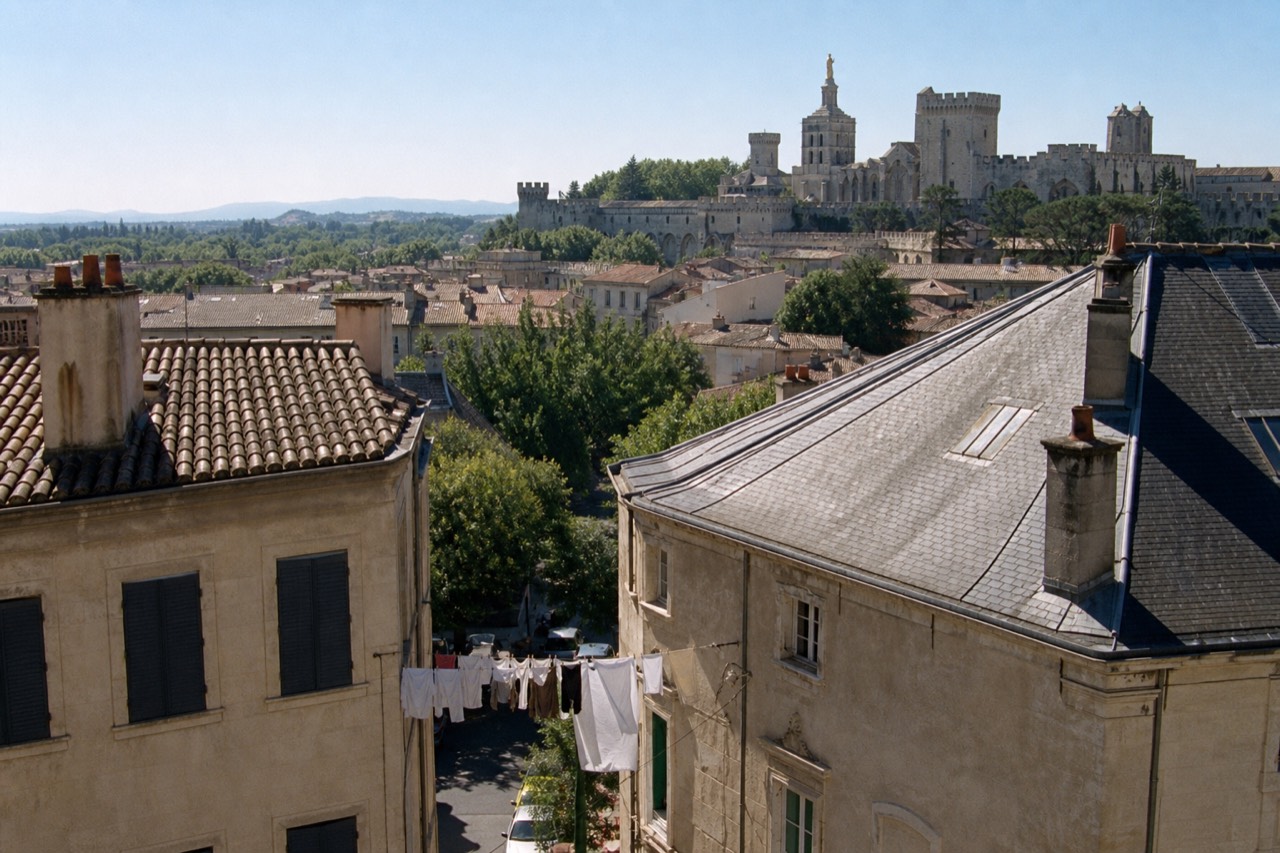
Avignon sits on the left bank of the Rhône in Provence, and for a stretch of the late medieval period it was the seat of the popes rather than Rome. That accident of history left the city with the Palais des Papes, the largest Gothic palace in Europe, and a set of ramparts that still ring the old town. It is a compact city. You can stay inside the walls and walk to dinner, walk to the palace, and walk to the train station without ever needing a car inside the city itself.
The second half of the worth-it case is what surrounds the city. Avignon is the departure point for the Châteauneuf-du-Pape appellation, one of France's first six wine AOCs, decreed on 15 May 1936 alongside Cassis, Arbois, Cognac, Monbazillac and Tavel. The vineyards are close enough that a half-day tasting tour leaves the city in the morning and returns by early afternoon. If your Provence trip has any interest in wine in it at all, Avignon is where the driving distances work in your favour.
That combination, a genuine historic city plus wine country at the doorstep, is what separates Avignon from towns that are only one or the other. Plenty of Provençal destinations have the picturesque streets; a smaller number have the monuments; almost none have a world-famous appellation twenty minutes down the road. This site, Provence Wine Tours, exists largely because of that geography: Plenty of short, well-reviewed wine tours leave from Avignon, and the from here are short, cheap relative to full-day options elsewhere, and consistently well reviewed. Here are the three ways visitors most often book that wine side of the trip:
What Is There To See In Avignon?
The unmissable sights are the Palais des Papes, the Pont Saint-Bénézet (the bridge of the famous song), the Rocher des Doms garden viewpoint, and the Place de l'Horloge, all within a ten-minute walk of each other inside the walls. The palace dominates everything: its walled old town is compact and easy to explore on foot, with wine country close at hand, and its scale is the reason Avignon reads as a capital rather than a provincial town.
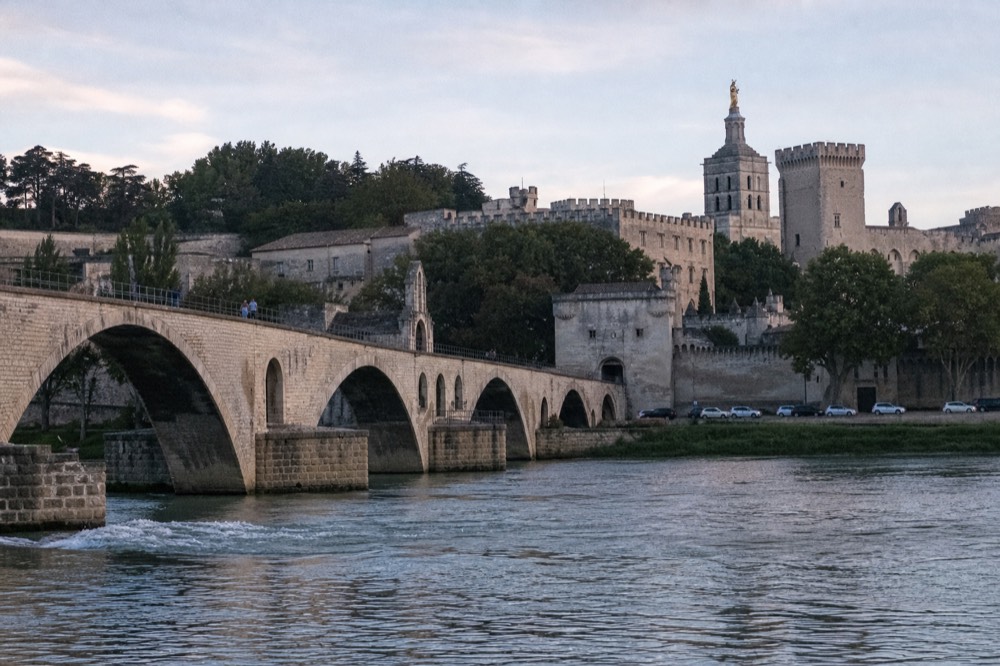
The bridge is the emotional favourite. The Pont Saint-Bénézet famously no longer reaches the far bank, and the surviving arches end mid-river, which is exactly the image most people carry of Avignon before they arrive. The Rocher des Doms, the rocky hill beside the palace, gives you the view back over the Rhône and the bridge, and it costs nothing but the climb. Below it, the Place de l'Horloge is the main café square, lined with plane trees and the carousel and the city hall.
Beyond the headline monuments, the old town rewards slow wandering. Rue des Teinturiers is the photogenic cobbled lane with a stream running down one side and the remains of waterwheels, a leftover from the city's cloth-dyeing past. The Avignon Festival in July transforms the whole city into a stage, with street performers on every square, though it also means July is the busiest and loudest month to visit. In the quieter months you get the same streets with more room to breathe.
The palace itself deserves more than a drive-by. The interiors are largely bare of furnishings, which surprises some visitors, but the architecture carries the visit: the great audience hall, the chapels and the terraces give a real sense of how the medieval court lived. The audio guide is thorough and most people emerge with a far better grasp of why the popes were here at all. Allow the better part of a morning, and book the first entry slot of the day in peak season if you want the grand rooms without a crowd in them.
A practical note on pacing: the palace audio guide alone takes most people well over an hour, and pairing the palace and the bridge in one morning is a full programme. Two nights in Avignon gives you one full day for the city and one for the wine villages, which is the split most first-time visitors end up wishing they had planned. Our companion piece on the best day trips from Avignon lays out the wider options beyond wine.
How Far Is Avignon From The Wine Villages?
Châteauneuf-du-Pape is 17.4 km from Avignon, about 23 minutes of free-flow driving, Vacqueyras is 34.5 km, Gigondas 46.7 km and Les Baux-de-Provence 30.7 km, all measured as real road routes between city centre and village centre. No other city base in Provence puts you this close to this many named appellations. Aix-en-Provence, by contrast, is 89.3 km from Châteauneuf-du-Pape, nearly a 90-minute drive each way before anyone tastes anything.
| Route from Avignon | Road distance | Free-flow driving time |
|---|---|---|
| Avignon to Châteauneuf-du-Pape | 17.4 km | 23 min |
| Avignon to Vacqueyras | 34.5 km | 39 min |
| Avignon to Les Baux-de-Provence | 30.7 km | 40 min |
| Avignon to Gigondas | 46.7 km | 44 min |
Those are free-flow times, measured over the road network without traffic, so treat them as the floor rather than a promise. August on the main roads, or a Saturday changeover day in summer, can stretch any of them. But the order of magnitude holds: from Avignon, the southern Rhône's wine villages are a short hop, not an expedition.
This is the quiet argument for Avignon as a wine-trip base. The same drive that takes you to one appellation passes the edges of others, so a full day out can combine Châteauneuf-du-Pape in the morning with Gigondas or Vacqueyras in the afternoon without long empty stretches of autoroute. For travelers weighing the two cities against each other, our comparison of Avignon or Aix-en-Provence works through the trade-offs in detail.
Is Avignon A Good Base For Châteauneuf-du-Pape?
Yes, it is the best base for Châteauneuf-du-Pape: the village is 17.4 km away, roughly 23 minutes by road, and every small-group and private Châteauneuf tour on the roster departs from Avignon itself, with tastings included in the price and free cancellation. You do not need a car, a plan, or a designated driver, because the tour operator handles the driving and the cellar appointments.
The drink-driving law is the unglamorous reason this matters. France's general limit is 0.5 g/L of blood, but a probationary-licence holder is held to 0.2 g/L, effectively zero glasses, and the probationary period runs three years, or two after accompanied driving. Anyone who passed their test recently cannot safely drive after a tasting morning. A driven tour removes that arithmetic entirely.
The half-day option is the one most visitors choose. The 4-hour Châteauneuf-du-Pape tour from Avignon costs $103.36 per person, rates 4.8 across 456 reviews, includes the tastings in the price, and runs as a small group with free cancellation. It is short enough to pair with a palace visit in the same day, which is exactly how a two-night Avignon stay tends to shape up.
If you want the fuller version, the Three-Estates day runs 7 hours at $207 per person, rated 5 across 553 reviews, visiting three estates with tastings included, and there is a 9-hour full-day version at $197.43 per person with lunch included, rated 4.8 across 89 reviews. The private route is a different animal again: a private Gigondas and Châteauneuf day from Carpentras costs $1,219.42 for a group of up to 8, rated 5 across 1 review, with tastings paid separately at the cellar door.
One piece of appellation trivia worth carrying into the tasting rooms: Châteauneuf-du-Pape's current official spec names 18 grape varieties, while the traditional count is 13. Both are correct, because the traditional count collapses the colour mutations of clairette, grenache and piquepoul into single grapes. And the story that it was "the first AOC, in 1923" is legend: 1923 is when growers founded the syndicate under Baron Le Roy, and the actual decree came on 15 May 1936, when the appellation was one of France's first six, not one of one. For a deeper look at the region, see our guide to Châteauneuf-du-Pape wine tours.
When Is The Best Time To Visit Avignon?
April to June and September to October are the sweet spots: the official summer tourist season runs April to September, the mistral wind blows hardest in winter and spring, and July brings both the famous Avignon Festival and the year's biggest crowds. The region recorded 43.1 million tourist nights in that April-to-September window in 2025, up 1.9% on 2024, so the peak months are genuinely busy.
The mistral deserves a line of honest warning. Météo-France describes it as a turbulent, generally dry regional wind averaging around 50 km/h with gusts of 80 to 100 km/h, strongest in winter and spring, and its most intense zone runs between Orange, Avignon, Istres and Arles. In plain terms: the mistral is not a rain risk, it is a cold-and-comfort risk, and it hits the Avignon side of Provence hardest. A mistral episode can last several days, even more than a week, though the days themselves are usually brilliantly sunny because the wind sweeps the cloud away.
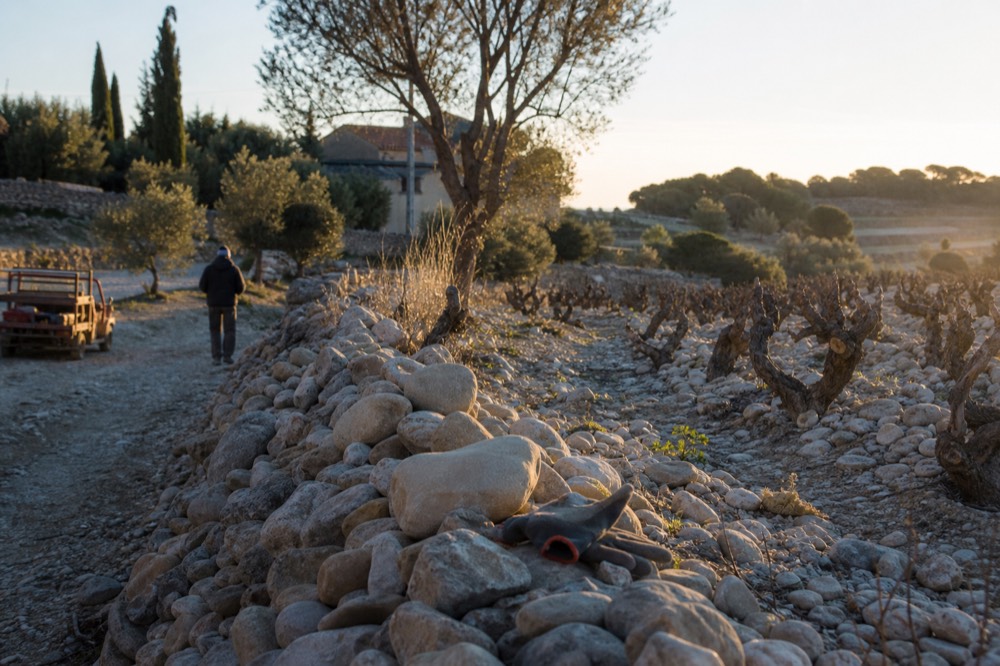
The harvest gives autumn its own appeal. The Provence harvest starts in the earliest parcels in the second half of August and runs into September, with later sectors picking through mid-September. You will not necessarily see grape trucks rolling past your café table, but the vineyards around Châteauneuf-du-Pape are at their most worked-in and photogenic in that window, and the temperatures are kinder for a tasting afternoon than mid-July.
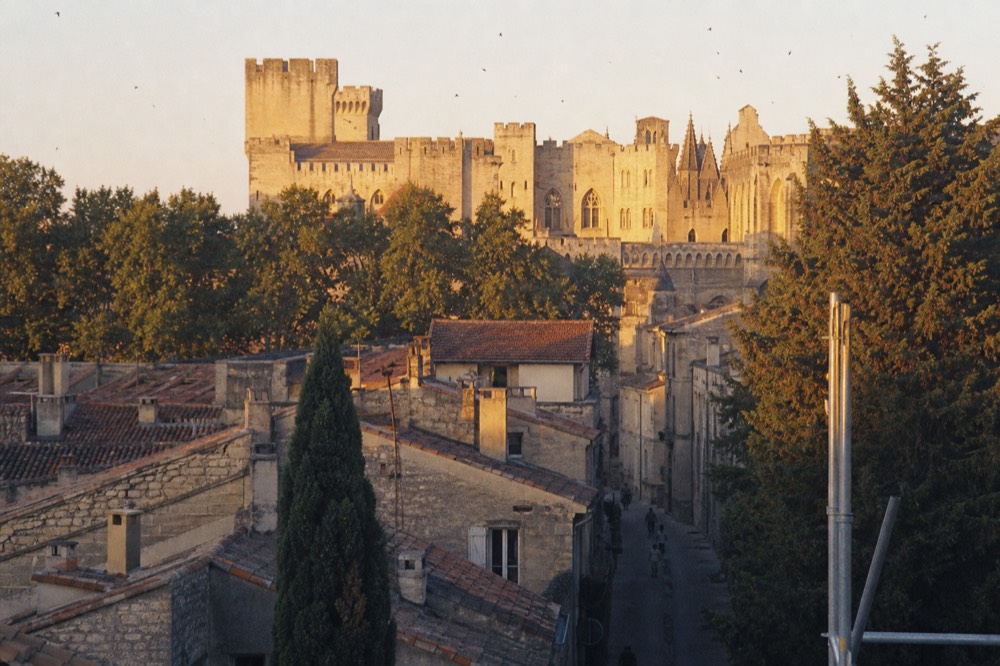
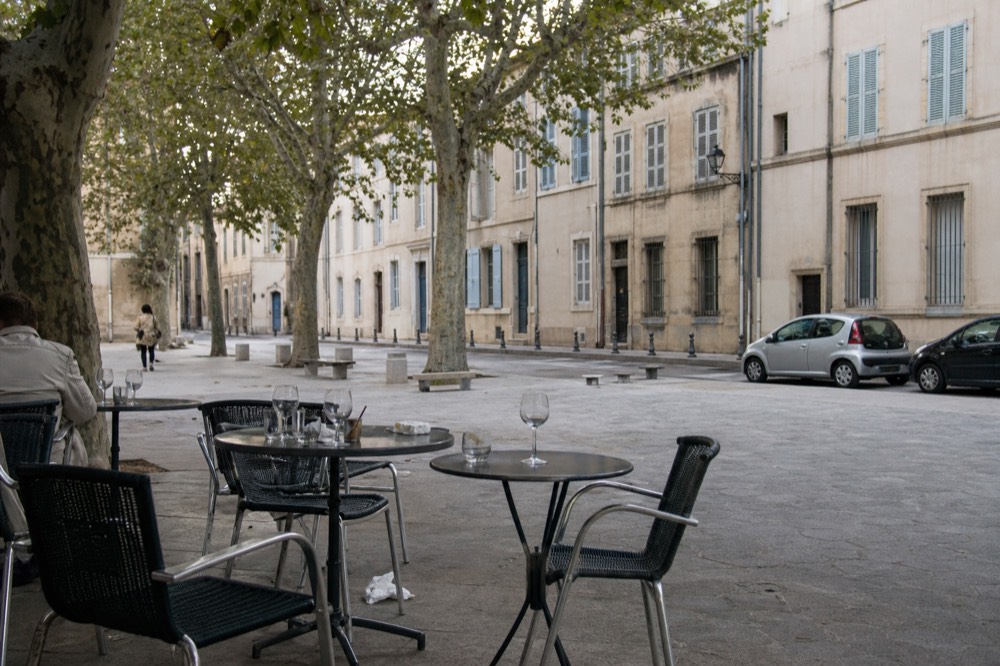
Spring has its own argument. The plane trees on the Place de l'Horloge come back into leaf, the terraces reopen, and the visitor numbers have not yet reached their July peak. The trade-off is the wind: spring is one of the two seasons the mistral blows hardest, so pack a windproof layer even when the forecast looks sunny. The mistral days are dry and clear, so you lose nothing in visibility from the Rocher des Doms, only comfort on the exposed terraces.
Does Avignon Work Without A Car?
Yes, Avignon works without a car: the palace, bridge and old town are walkable inside the walls, the TGV station connects to Paris and the coast, and the wine villages are reachable through small-group and private tours that depart from the city with pickup arranged. The car-free visitor loses almost nothing in town and gains a designated driver in the vineyards.
Inside the walls, everything a visitor wants is on foot. The train station sits just outside the ramparts, a short walk from the centre, and the high-speed line puts Paris within reach for a day-trip-in, day-trip-out itinerary if that suits your route. For the wine side, the tours listed above exist precisely because the distances, short as they are, still involve driving on small roads between cellars, and someone has to stay sober to do it.
The one thing to plan around is that cellar doors in the region set their own opening patterns estate by estate, so independent visits without an appointment are a gamble. A booked tour arrives at cellars the operator has arranged, which is the real reason booking beats turning up and hoping. That logic holds whether you spend one day in Avignon or four.
There is a budget angle too. Because the distances from Avignon are short, the tours from here are among the most affordable wine experiences in the region: the half-day Châteauneuf option at $103.36 per person is roughly half the price of the full-day formats, and tastings are already included in that figure. Travelers comparing a rental car against a tour should also remember that the car does not park itself at the cellar door, and that the tasting fee question is settled in advance on a tour rather than negotiated at each stop.
Avignon is worth visiting for most tourists, and the short version of the case is this: the papal palace and the bridge justify a one-to-two-day stay on their own, the wine villages of the southern Rhône sit within an hour's drive, and the city works comfortably without a car. The questions below cover the practical details, from how many days to allow to which month to pick and whether the wine side of the trip needs a vehicle.
Common Questions About Visiting Avignon
Is Avignon Worth Visiting For Tourists?
Yes. The Palais des Papes, the famous broken bridge and the walled old town justify a stay of one to two days on their own, and the city doubles as the closest base to Châteauneuf-du-Pape, 17.4 km away. Few Provence cities combine a major historic monument with wine country that close.
How Many Days Do You Need In Avignon?
Two nights is the comfortable answer: one full day for the palace, the bridge and the old town, and one for a wine tour into Châteauneuf-du-Pape or the neighboring Rhône villages. One day works for the sights alone but leaves no room for the vineyards.
Is Avignon Or Aix-en-Provence Better?
They serve different trips. Avignon is the base for the southern Rhône wine appellations and has the papal palace; Aix is the elegant Provençal city closer to the Côtes de Provence and Luberon estates. Châteauneuf-du-Pape is 17.4 km from Avignon but 89.3 km from Aix, which usually settles the question for wine-focused visitors.
Can You Visit Châteauneuf-du-Pape From Avignon Without A Car?
Yes. Small-group half-day and full-day tours depart from Avignon with tastings included in the price, from $103.36 per person for the 4-hour option. Given France's 0.5 g/L drink-driving limit, and 0.2 g/L for probationary licences, a driven tour is also the only relaxed way to taste.
What Is The Best Month To Visit Avignon?
May, June and September balance good weather against crowds. July brings the Avignon Festival and peak visitor numbers, and the mistral wind blows hardest in winter and spring, so bring a windproof layer outside summer. The harvest runs from late August into September if you want the vineyards at their busiest.
Is One Day Enough For Avignon?
One day covers the palace, the bridge, the Rocher des Doms viewpoint and a wander through the old town, but it is a full programme. Add a second day if you want a wine tour, because the Châteauneuf-du-Pape half-day alone takes four hours plus travel.