What Not To Miss In Aix-en-Provence?
From the Cours Mirabeau to a half-day wine tasting in the Coteaux d’Aix, here’s what not to miss in Aix-en-Provence, with distances, appellation facts and one honest driving rule.
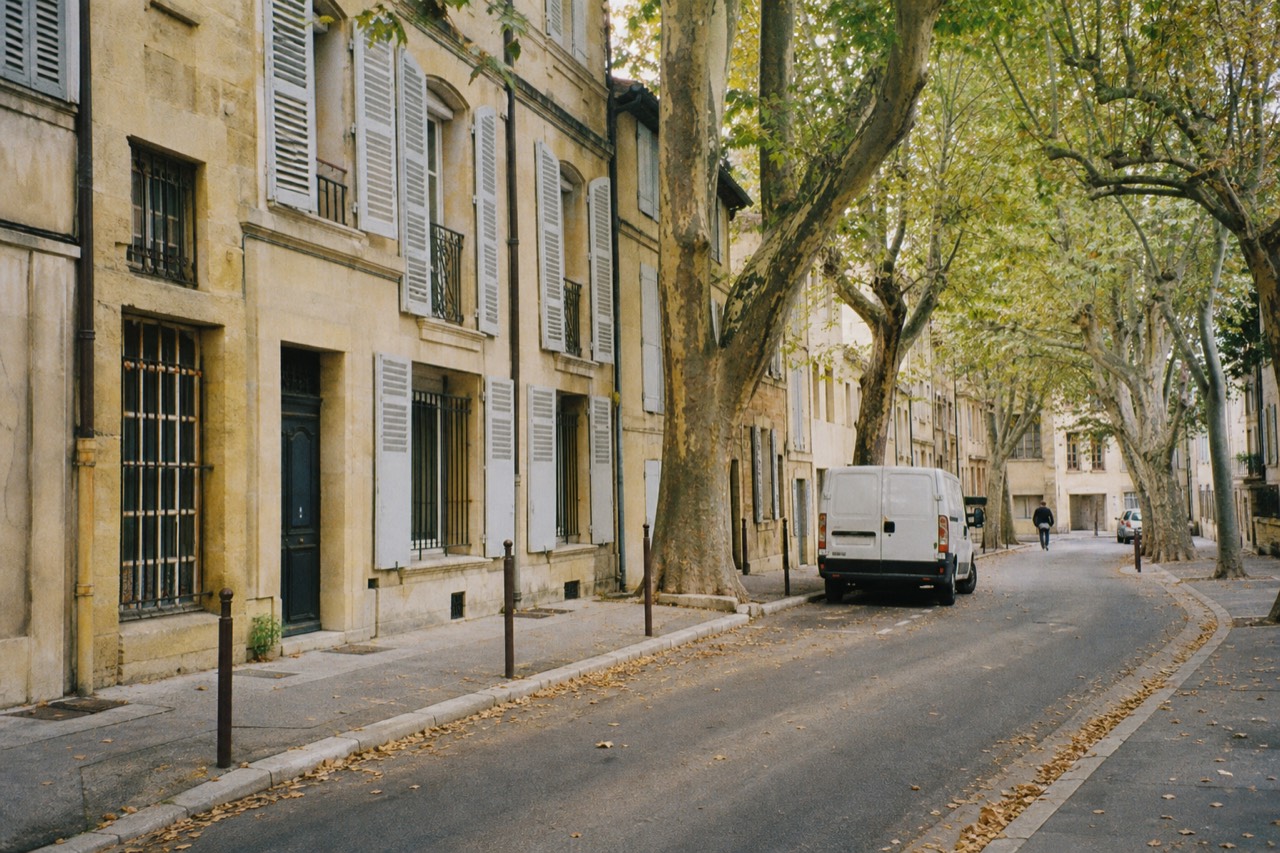
Aix-en-Provence does not need a long list to make its case. The Cours Mirabeau, the Atelier Cézanne and a half-day wine tour into the Coteaux d’Aix cover the city’s three best-known pleasures in a single morning. Provence Wine Tours keeps the wine side honest: France’s probationary drink‑drive limit sits at 0.2 g/L, which is effectively zero glasses, so a driven tour is the only way to taste and travel legally. The city’s 18th‑century hôtels particuliers and the daily flower market on Place Richelme fill the gaps between the big stops, and everything sits inside a walkable centre.
What Not To Miss In Aix-en-Provence?
Aix-en-Provence rewards a morning on the Cours Mirabeau, a climb to the Atelier Cézanne, and a half‑day wine tour into the Coteaux d’Aix appellation. The city’s 18th‑century hôtels particuliers and the daily flower market anchor the centre, with Sainte‑Victoire mountain and vineyards framing the landscape. A driven tour is the practical choice: France’s 0.2 g/L probationary limit means one glass can put a driver over the line.
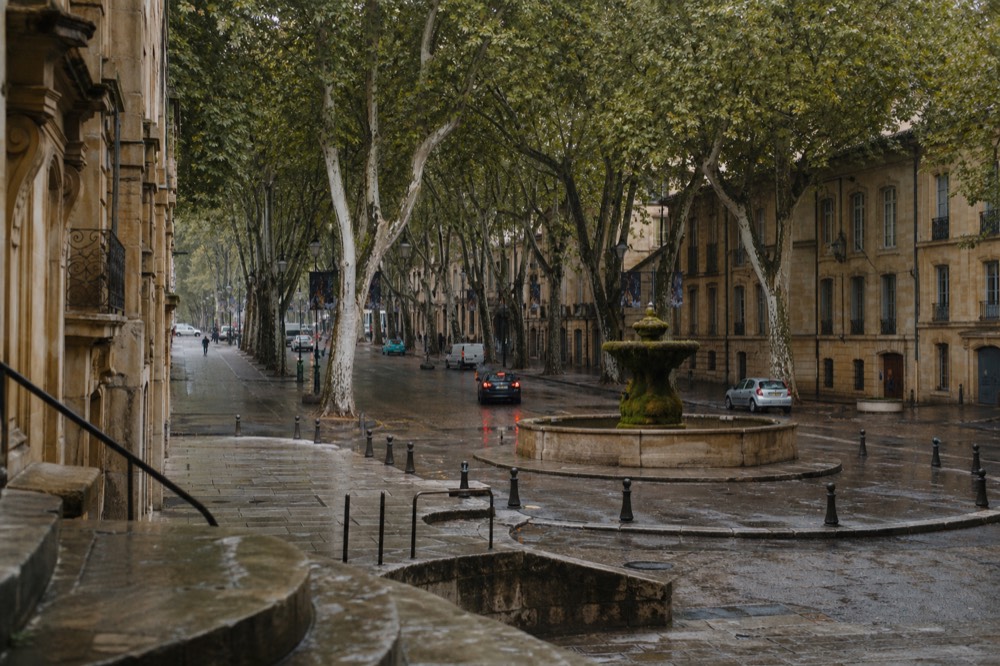
The Cours Mirabeau is the spine of the old town, a tree‑lined avenue shaded by plane trees and lined with bookshops, cafés and the moss‑covered Fontaine de la Rotonde at its western end. Walking it takes ten minutes at a stroll, but the real pleasure is sitting at a terrace with a coffee and watching the morning light hit the 17th‑century stone. Most visitors combine the Cours with a loop through the Quartier Mazarin, the 17th‑century extension built by Archbishop Michel Mazarin that houses the Musée Granet and a grid of private mansions whose carved doors are worth the detour alone. For a deeper look at the local wine scene, the Aix-en-Provence wine tasting guide covers the appellations and the best tours.
The Atelier Cézanne, a 15‑minute walk north of the centre on the Avenue Paul Cézanne, is the painter’s last studio. The garden, the still‑life objects and the large north‑facing window are preserved as he left them at his death, and the view toward the Sainte‑Victoire ridgeline is the same one that appears in dozens of his late works. A ticket costs a few euros; the climb up the hill is the only exertion, and the studio is small enough to see in 45 minutes.
From the city, the vineyards of the Coteaux d’Aix spread east and north. The appellation is the city’s own wine country, and a half‑day tour is the most time‑efficient way to reach it. The three tours below all depart from Aix‑en‑Provence, cover the same Coteaux d’Aix terrain and include tastings; the difference is length, group size and price point.
Cézanne’s mountain is the other constant. Sainte‑Victoire rises above the city and holds the Sainte‑Victoire sub‑denomination of Côtes de Provence on its southern slopes, around Puyloubier and Rousset (see Côtes de Provence Wine). The drive from Aix to Puyloubier is 24.5 km and takes about 31 minutes in free‑flow traffic, so a morning tour can reach the vineyards and return in time for lunch on the Cours Mirabeau. The mountain itself is a protected Grand Site de France, with marked hiking trails that start from the Bimont dam or the Maison de la Sainte‑Victoire in Saint‑Antonin‑sur‑Bayon. A full walk to the cross at the summit and back takes most of a day; a short walk to the dam and the lower viewpoints takes under two hours.
What Is The Coteaux d’Aix Wine Appellation?
The Coteaux d’Aix-en-Provence is a Provençal AOC established on 24 December 1985, producing red, rosé, and white wines from more than 4,100 hectares in 2009, east and north of Aix. Its reds and rosés are built on grenache, syrah, cinsaut, mourvèdre, and counoise, with occasional cabernet sauvignon, while whites rely on vermentino, clairette, and grenache blanc.
The Coteaux d’Aix is the appellation a visitor to Aix is most likely to taste, because the vineyards start within a 15‑minute drive of the city centre. Unlike the more famous Côtes de Provence, which stretches across three departments, the Coteaux d’Aix is compact and tied to the limestone‑clay soils of the Aix basin. The mistral, the cold north‑westerly wind that funnels down the Rhône valley, hits the western edge of the appellation harder than the sheltered Sainte‑Victoire slopes, which is one reason the sub‑denomination exists.
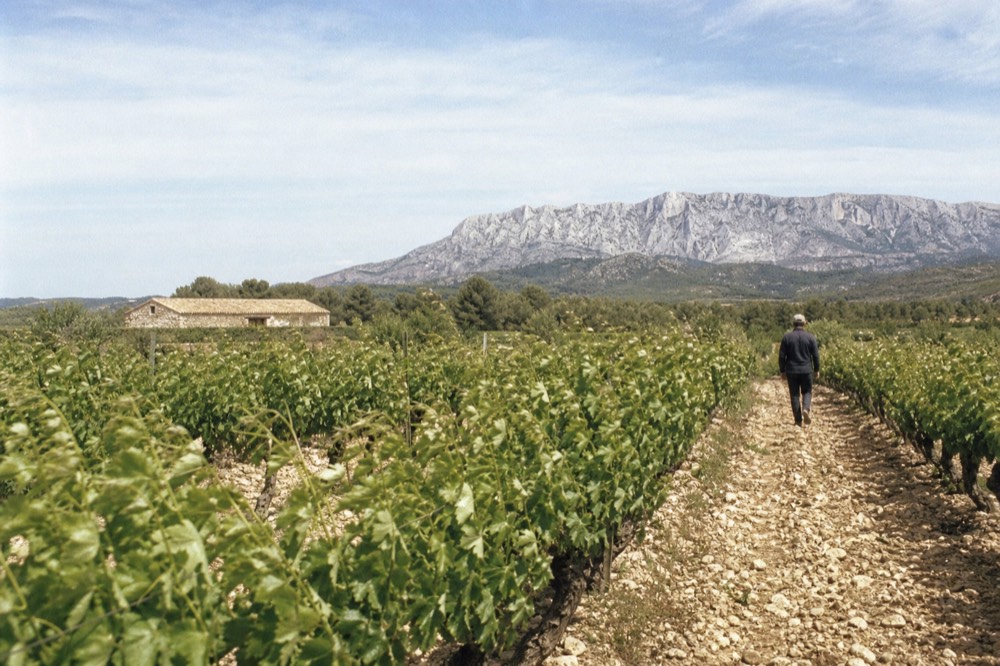
The appellation’s rosés are the volume leader, as they are across Provence, but the reds are the sleeper. The presence of cabernet‑sauvignon, even as an accessory, gives some Coteaux d’Aix reds a structure that is closer to a Bordeaux blend than to a light Provençal red, and a few estates lean into that. The whites, mostly vermentino‑led, are crisp and saline, and they pair well with the seafood that arrives daily at the Aix markets from the coast.
| Fact | Detail |
|---|---|
| AOC granted | 24 December 1985 |
| Colours permitted | White, red, rosé |
| Area (2009 snapshot) | More than 4,100 ha |
| Average annual production | 195,000 hl |
| Principal red/rosé grapes | Grenache N, syrah N, cinsaut N, mourvèdre N, counoise N |
| Accessory red/rosé grapes | Cabernet‑sauvignon N, carignan N, caladoc N |
| Principal white grapes | Vermentino B, clairette B, grenache B, sauvignon B, bourboulenc B |
| Cooperative cellars (2009) | 12 |
| Private estates (2009) | 70 |
Why Take A Half‑Day Wine Tour From Aix?
Because it eliminates the risk of exceeding France’s strict drink‑drive limits while letting you enjoy multiple tastings, with a guide handling the driving, appointments, and local wine knowledge, and returns you to Aix by early afternoon so you still have the rest of the day to explore the city.
The half‑day tours from Aix typically visit two estates in the Coteaux d’Aix or the neighbouring Sainte‑Victoire sub‑denomination of Côtes de Provence. The drive time from the city centre to the first vineyard is rarely more than 30 minutes, so the tasting time is concentrated. A 3.5‑hour tour leaves around 9:00 or 14:00 and is back in time for a late lunch or an early dinner; a 4.5‑hour tour adds a third stop or a longer walk through the vines. Both formats include all tasting fees, so the price on the listing is the price you pay, and free cancellation is standard on the operator’s live listing.
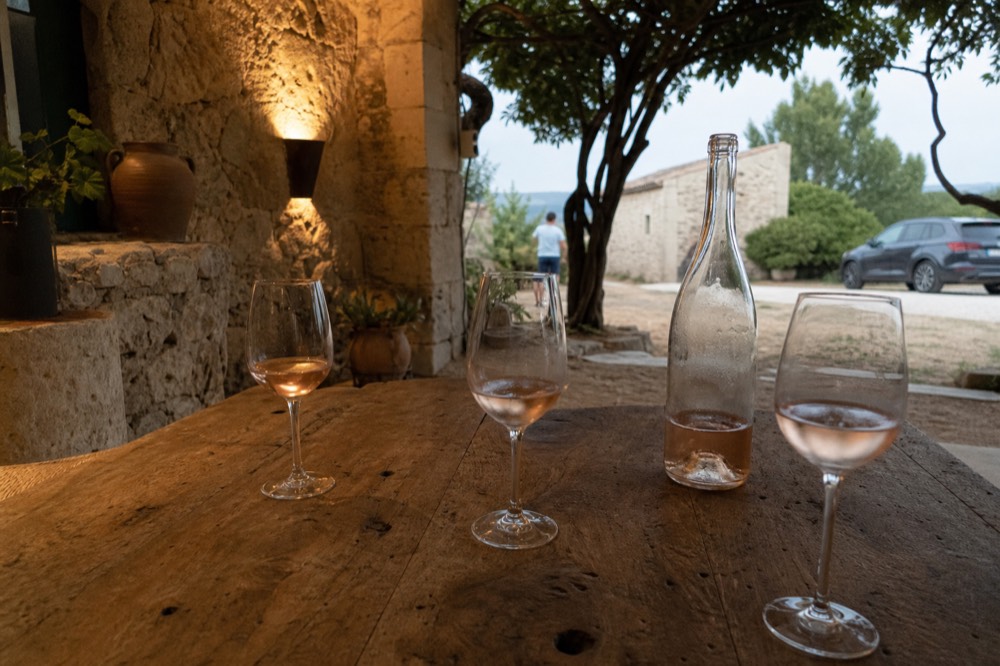
The Coteaux d’Aix half‑day tours are the most direct way to taste the city’s own appellation. A 4.5‑hour option covers more ground and often includes a stop at a Sainte‑Victoire estate, which gives a side‑by‑side comparison of the two terroirs. The difference between a Coteaux d’Aix rosé and a Sainte‑Victoire rosé is noticeable: the Sainte‑Victoire wines tend to be more structured, with a mineral edge from the limestone scree, while the Coteaux d’Aix rosés are rounder and more fruit‑forward.
The private full‑day option from Aix is a different proposition. It runs six to eight hours, picks up from your accommodation, and can be shaped around a specific interest, whether that is a deep dive into the Sainte‑Victoire sub‑denomination, a visit to a Bandol estate, or a lunch at a domaine. The price is higher, at $562.33 per person, but the group is private, and the 5 rating across 33 reviews says the experience delivers.
What Else Should You See In Aix Beyond The Wine?
Beyond the vineyards, Aix-en-Provence rewards visitors with a compact, walkable centre of art and history. The Musée Granet, the daily markets, the Roman Théâtre Antique, the Cathédrale Saint-Sauveur, the Thermes Sextius spa, and the elegant Pavillon Vendôme are all within a 15-minute walk of the Rotonde fountain, while the countryside begins just beyond the ring road.
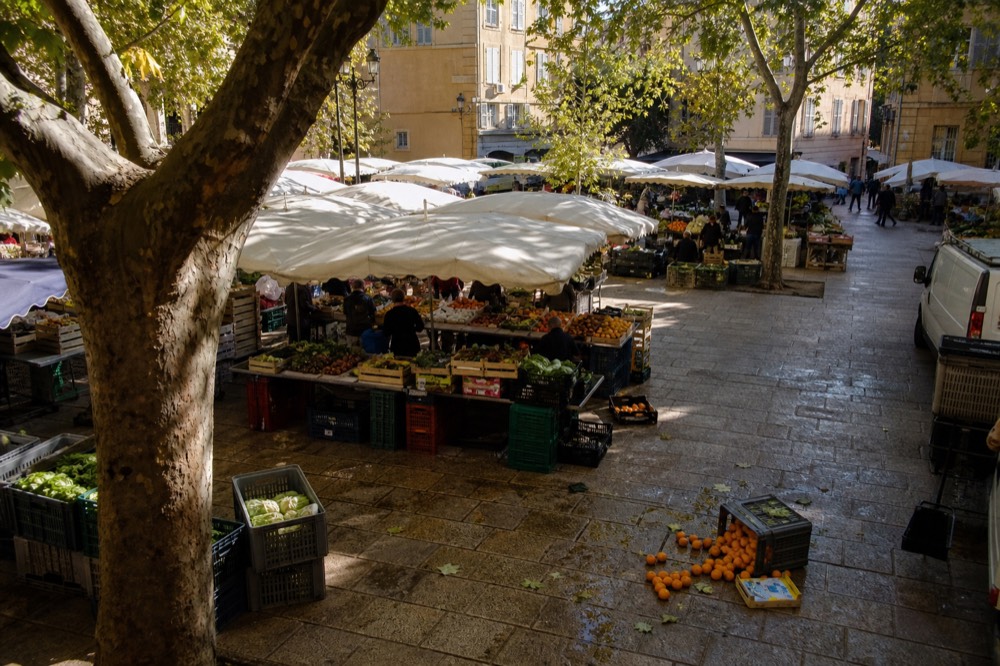
The daily market on Place Richelme is the food stop to plan around. It runs every morning except Monday and sells fruit, vegetables, cheese, honey and the small‑producer olive oil the region is known for. The larger market on Place des Prêcheurs and Place de la Madeleine runs on Tuesday, Thursday and Saturday mornings and adds textiles and antiques. Both are a five‑minute walk from the Cours Mirabeau.
The Musée Granet, on Place Saint‑Jean de Malte in the Quartier Mazarin, holds a permanent collection that runs from the 14th to the 20th century, with a strong Cézanne room and a rotating Provençal school display. The museum also manages the Plan de Cézanne, a separate site on the Avenue Paul Cézanne that houses a collection of the painter’s watercolours and drawings in the space where he worked. A combined ticket covers both. If you’re still weighing whether Aix is worth the trip, our look at whether Aix-en-Provence is worth visiting runs through the pros and cons.
The Cathédrale Saint‑Sauveur, on Place de l’Université, is a patchwork of architectural periods from the 5th to the 17th century, built on the site of a Roman temple. The baptistery is one of the oldest in France, and the cloister is a quiet place to sit for ten minutes. The cathedral is free to enter; the cloister costs a few euros.
For a longer walk, the Pavillon Vendôme, a 17th‑century folly set in a small formal garden, sits at the northern edge of the centre. It houses a small collection of Provençal furniture and paintings, and the garden is a shady place to escape the afternoon heat. Entry is a nominal fee.
| Sight | Walk from Rotonde | Time needed | Entry |
|---|---|---|---|
| Cours Mirabeau | 0 min | 30 min | Free |
| Atelier Cézanne | 15 min | 45 min | Paid |
| Musée Granet | 5 min | 90 min | Paid |
| Place Richelme market | 5 min | 30 min | Free |
| Cathédrale Saint‑Sauveur | 7 min | 45 min | Free |
| Pavillon Vendôme | 12 min | 45 min | Paid |
A half‑day wine tour slots neatly into a day that starts with the market and the Cours Mirabeau and ends with the Musée Granet or the Pavillon Vendôme. The 3.5‑hour tasting tour from Aix, at $156.78 per person, is back by early afternoon, leaving the rest of the day for the indoor sights. The 4.5‑hour Coteaux d’Aix tour returns a little later but still leaves a full evening.
How To Get Around Aix Without A Car
Aix‑en‑Provence is a walking city. The historic centre is largely pedestrianised, and every sight on the list above sits inside a 15‑minute radius of the Rotonde. A car is a liability in the narrow streets, where parking is scarce and the one‑way system punishes a wrong turn. For the vineyards, a driven tour removes the car entirely; for everything else, the bus network and the occasional taxi cover the ground.
The Aix‑en‑Provence bus station, Gare Routière, is a 10‑minute walk from the Cours Mirabeau and runs services to Marseille, Avignon, the Luberon villages and the TGV station. The Aix‑Marseille bus takes 30 to 40 minutes and costs a few euros; the Luberon services are less frequent but reach Lourmarin in under an hour. The city’s own Aix en Bus network runs 25 lines across the wider Aix area, with a single ticket valid for an hour.
For the wine country, a tour is the only practical option that does not involve a car. The Coteaux d’Aix estates are scattered across a rural road network with no regular bus service, and a taxi to a single estate and back costs more than a half‑day tour. The private full‑day tour from Aix, at $562.33 per person, includes pickup and a custom itinerary, so it covers the door‑to‑door logistics as well as the tasting.
The probationary drink‑drive limit of 0.2 g/L applies to anyone who passed their test in the last three years, which covers a large share of younger visitors. The general limit of 0.5 g/L still means that a single glass of wine at a cellar door can put a driver close to the threshold, and the police in the Aix area run breath‑test checks on the roads out of the vineyards in summer. A driven tour is not a luxury; it is the honest, legal way to taste.
Common Questions About Aix-en-Provence
What Not To Miss In Aix-en-Provence?
The Cours Mirabeau, the Atelier Cézanne and a half‑day wine tour into the Coteaux d’Aix appellation are the three essentials. The daily market on Place Richelme, the Musée Granet and the Cathédrale Saint‑Sauveur fill a full day, and Sainte‑Victoire mountain is a 30‑minute drive away for a morning hike.
Is Aix-en-Provence Walkable?
Yes. The historic centre is largely pedestrianised, and every major sight sits within a 15‑minute walk of the Rotonde fountain. A car is a hindrance in the narrow streets, where parking is scarce.
How Far Is Aix From The Wineries?
The Coteaux d’Aix vineyards start within a 15‑minute drive of the city centre. The Sainte‑Victoire sub‑denomination around Puyloubier is 24.5 km away, about 31 minutes in free‑flow traffic. Châteauneuf‑du‑Pape is 89.3 km, roughly 67 minutes.
Can I Visit Coteaux d’Aix Without A Tour?
Some estates accept visitors by appointment, but there is no regular bus service to the vineyards. A self‑drive day puts the driver at risk of exceeding France’s strict drink‑drive limits. A small‑group tour handles the driving and the cellar‑door bookings.
What Is The Best Time To Visit Aix?
The shoulder months of May, June and September offer warm weather without the July‑August crowds. The mistral is strongest in winter and spring, so a windproof layer helps on a Rhône‑side tasting. The harvest runs from mid‑August into September and is a lively time to be in the vineyards.
Do I Need A Car In Aix?
No. The city centre is walkable, and the bus network covers the wider area. A wine tour removes the need for a car entirely, and a taxi to Marseille airport takes 30 minutes.