Côtes De Provence Wine: Appellation, Rosé, Grapes And Tasting Tours
From the limestone slopes of Sainte-Victoire to the coastal vineyards of La Londe, Côtes de Provence produces most of the region's rosé and offers a range of tasting tours that showcase its sub-denominations.
Short answer
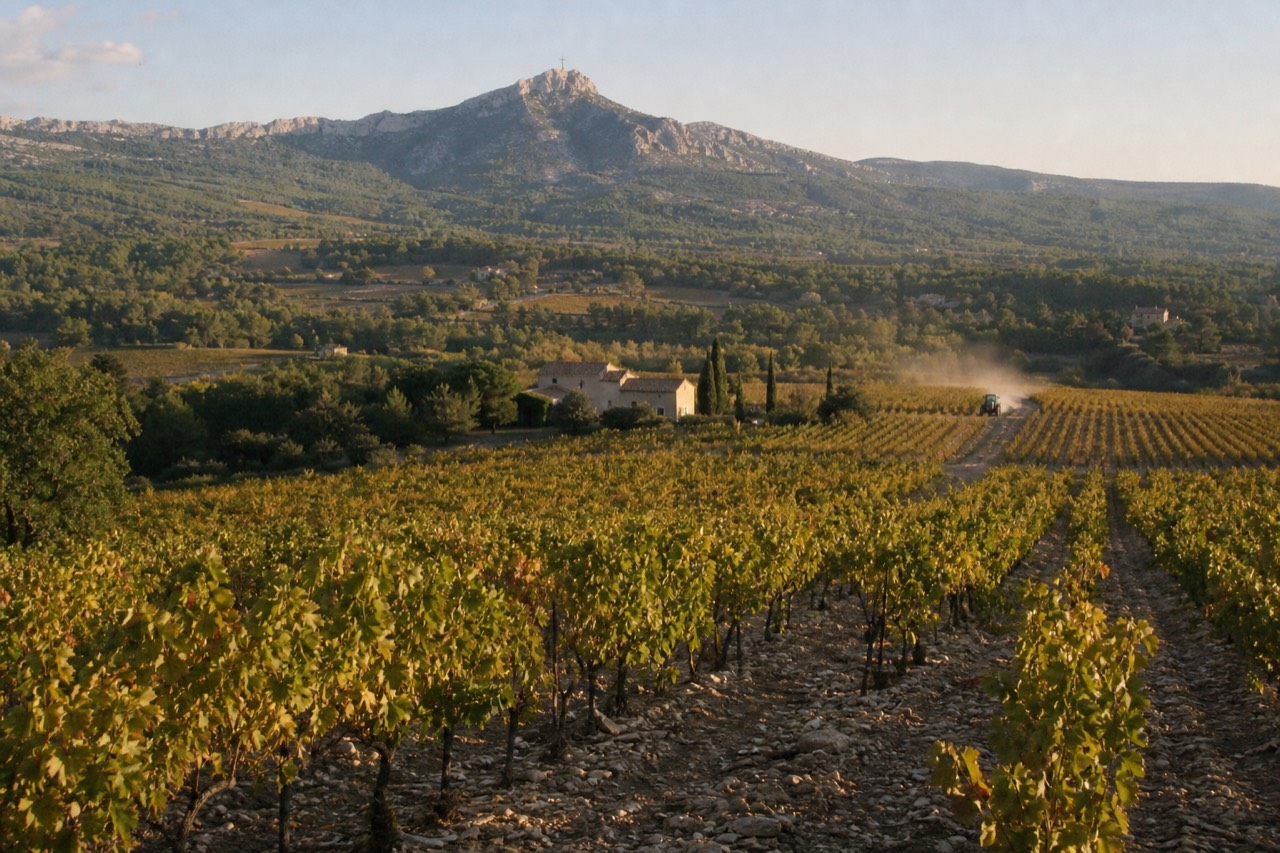
Côtes de Provence is the largest appellation in Provence, covering about 20,300 hectares across 84 communes. Across the three Vins de Provence AOPs together, 89% of the wine is rosé, 6% white, 5% red. The AOC was granted in 1977, and it includes five sub-denominations like Sainte-Victoire and La Londe. Tasting tours depart from Aix-en-Provence and Nice.
What Is Côtes De Provence?
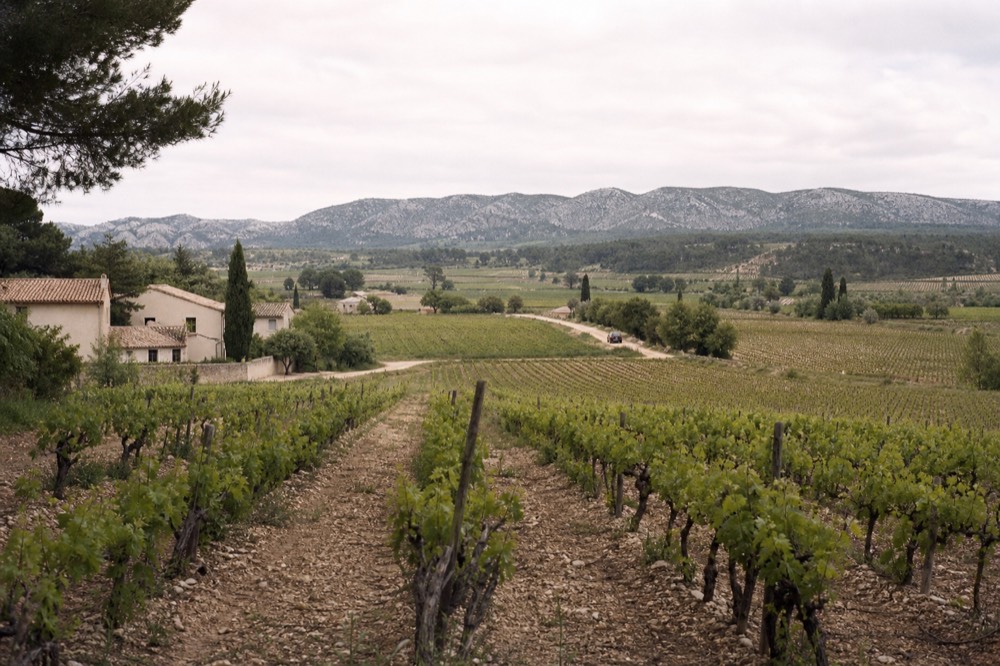
Côtes de Provence is Provence's largest appellation: roughly 20,300 hectares across 84 communes in the Var, Bouches-du-Rhône and Alpes-Maritimes, granted AOC status in 1977. It makes white, red and rosé, with rosé dominant: 721,686 hl of the 2024 harvest against 44,434 hl white and 39,687 hl red. Five geographical sub-denominations carry stricter yield and grape rules: Sainte-Victoire, La Londe, Fréjus, Pierrefeu and Notre-Dame des Anges.
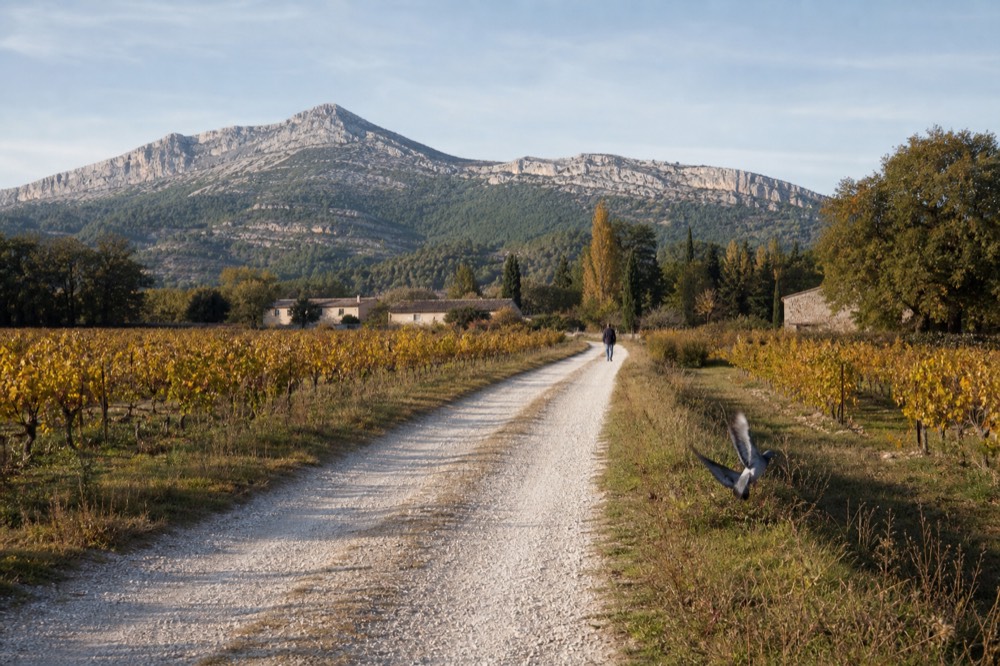
The Côtes de Provence vineyard belt runs from the Mediterranean coast near Saint-Tropez inland to the limestone hills east of Aix-en-Provence. The appellation's 84 communes give it a wide range of soils and microclimates. Coastal plots benefit from sea breezes that moderate summer heat, while inland sites sit on the classic clay-limestone mix that gives the wines their structure. The interprofessional body for Provence wines, the CIVP, reports that 51% of the surface is now organic or HVE certified, a figure that puts the region ahead of most French wine areas.
One detail that often surprises visitors is that Côtes de Provence is not the only appellation in Provence, but it is by far the biggest. Provence Wine Tours covers the full range of tasting experiences across the region. The appellation's heft means that when a wine label says "Côtes de Provence," it can come from anywhere between the Camargue and the Italian border, yet the styling and the grape blend are tightly regulated. The official INAO cahier des charges lists the permitted grapes and the maximum parcel load of 9,500 kg/ha. For the five sub-denominations, that cap drops to 8,500 kg/ha, a real yield cut that separates a Sainte-Victoire rosé from a generic Côtes de Provence.
The appellation's size also means that tasting routes vary widely. A half-day tour from Aix-en-Provence can reach the Sainte-Victoire foothills in under 40 minutes, while a full-day trip from Nice reaches the Côtes de Provence heartland around Les Arcs-sur-Argens in about an hour (see Best Wineries). The drive times are real road distances, not tour schedules, but they underline why picking a departure city that matches the sub-region matters.
The Five Sub-Denominations Of Côtes De Provence
Côtes de Provence contains five geographical sub-denominations, each with a distinct production area and stricter rules. Sainte-Victoire and La Londe are the best known: the first for its red and rosé from the limestone massif east of Aix, the second for its coastal wines and the rare white among the DGCs. All five sub-denominations are reserved for red and rosé only, except La Londe, which also covers white wine.
The INAO approved the Sainte-Victoire sub-denomination at its sitting of 27 and 28 May 2004, Fréjus on 8 and 9 June 2005, and La Londe on 8 November 2007. Pierrefeu and Notre-Dame des Anges followed later. Each sub-denomination imposes a maximum average parcel load of 8,500 kg/ha, compared to 9,500 kg/ha for the plain Côtes de Provence appellation. That lower yield, combined with tighter grape selection, is the concrete reason a bottle labelled "Sainte-Victoire" is not just a line on a label.
Below is a quick reference for the five DGCs.
| Sub-denomination | Colours permitted | Key location | Notable feature |
|---|---|---|---|
| Sainte-Victoire | Red and rosé | East of Aix-en-Provence, communes include Puyloubier and Le Tholonet | Limestone slopes beneath the mountain, structured rosés |
| La Londe | White, red and rosé | Coastal strip between Hyères and Bormes-les-Mimosas | Only DGC that covers white; schist and quartz soils |
| Fréjus | Red and rosé | Around Fréjus, Var | Volcanic and alluvial soils, early recognition |
| Pierrefeu | Red and rosé | Inland from the Maures massif | Warmer, lower-altitude sites |
| Notre-Dame des Anges | Red and rosé | Near the coast, west of Fréjus | Reserved for red and rosé; no published area |
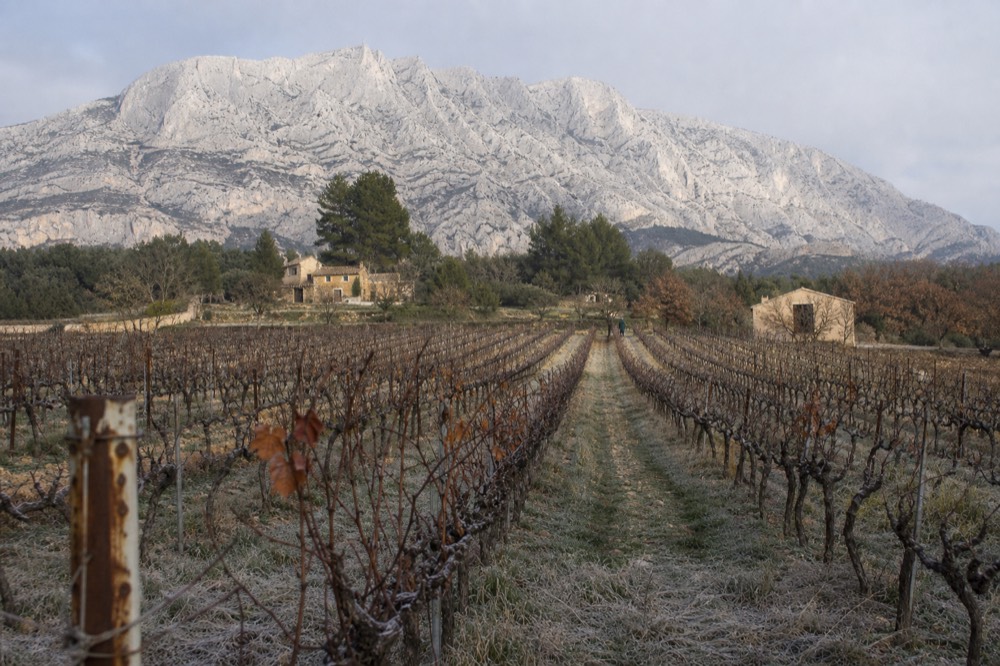
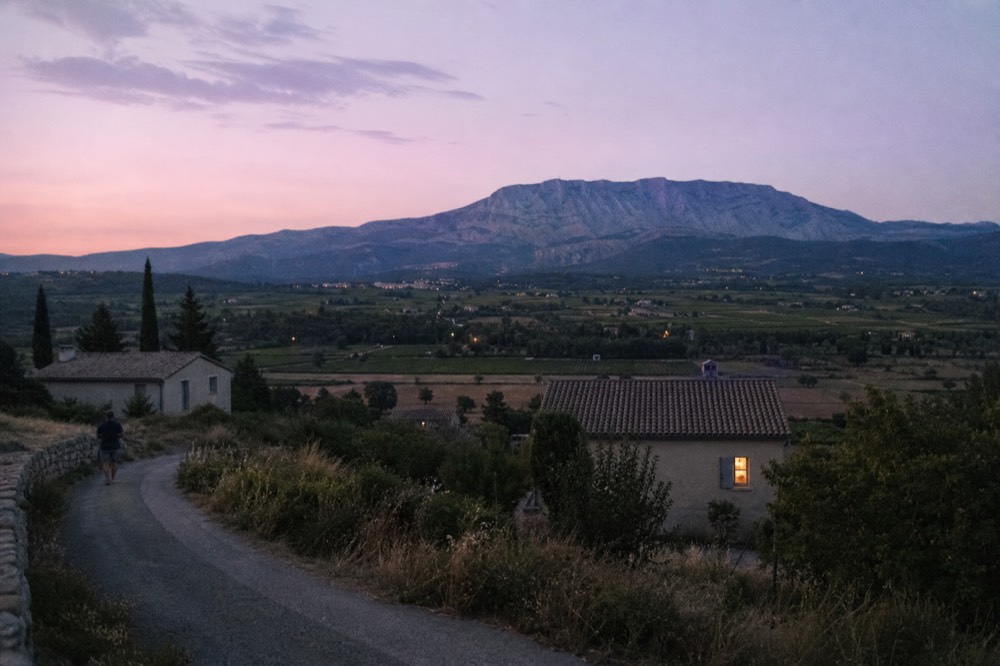
The Sainte-Victoire route is the most accessible from Aix-en-Provence. The road distance from Aix to Puyloubier, a key commune in the sub-denomination, is 24.5 km, about a 31-minute drive. That makes a half-day tasting tour from Aix a practical way to explore the appellation without a long transfer. The limestone soils here give the rosés a saline edge and a longer finish than many coastal Côtes de Provence styles.
La Londe, by contrast, sits on the coast between Hyères and La Londe-les-Maures. Its schist and quartz soils produce a distinctly saline, mineral-driven white wine that accounts for a small but growing share of the sub-denomination’s output. The white wines from La Londe often feature vermentino (rolle) and clairette, and they are among the few Côtes de Provence whites that can age for a few years.
The three remaining sub-denominations, Fréjus, Pierrefeu and Notre-Dame des Anges, are less frequently encountered on tasting-room shelves, but they each add to the appellation’s diversity. Fréjus benefits from volcanic soils, while Pierrefeu sits inland and warmer, producing riper reds. Notre-Dame des Anges, the smallest, is a coastal pocket that shows the maritime influence of the Mediterranean.
For visitors who want to taste across the sub-denominations, a small-group tour is the easiest way to cover the distances. The following three tours all include Côtes de Provence estates and depart from two of the main Provence hubs.
Why Is Côtes De Provence Rosé So Dominant?
Côtes de Provence rosé’s dominance is fueled by the region’s dry, sunny climate and grape varieties like grenache and cinsaut, which yield the pale, elegant style that global markets have embraced as the benchmark, driving rosé to 89% of the appellation’s production and making Provence the source of over 40% of French AOP rosé.
The colour split in Côtes de Provence is lopsided even by Provence standards. In the 2024 harvest, the Côtes de Provence appellation alone produced 721,686 hectolitres of rosé against 44,434 hl of white and 39,687 hl of red. The table below shows the breakdown across the three main Provence AOPs.
| Appellation | Rosé (hl) | White (hl) | Red (hl) |
|---|---|---|---|
| Côtes de Provence | 721,686 | 44,434 | 39,687 |
| Coteaux d’Aix-en-Provence | 168,949 | 20,327 | 12,708 |
| Coteaux Varois en Provence | 110,954 | 5,419 | 5,975 |
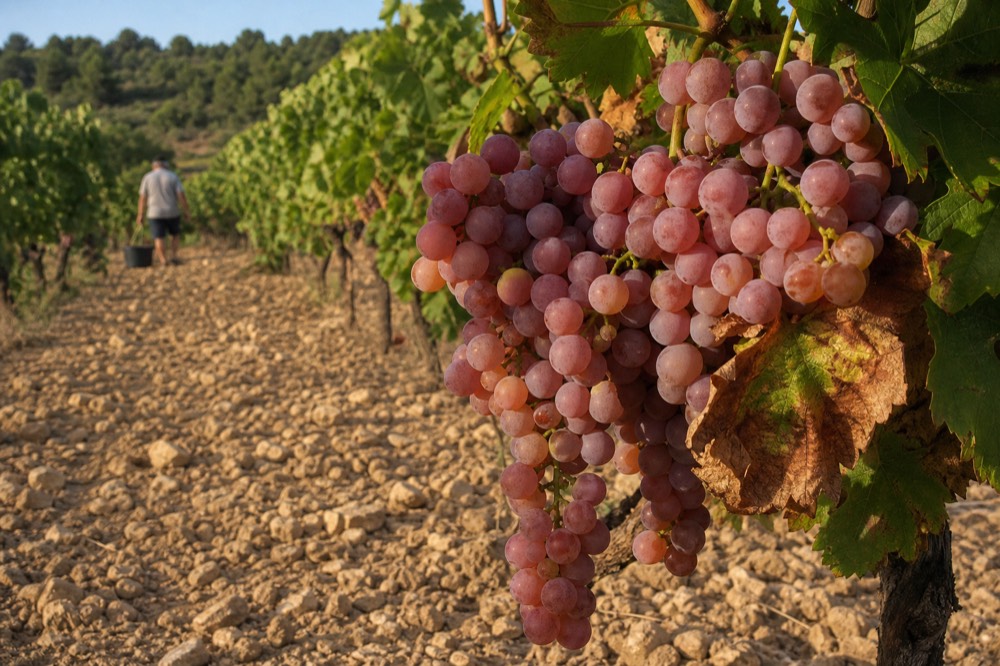
The grapes that make this rosé are mostly grenache, cinsaut, syrah, mourvèdre and tibouren. Tibouren is the local speciality: it is on the principal list for Côtes de Provence reds and rosés and gives a distinctive peppery, herbal note that many tasters associate with the appellation. The INAO cahier des charges also lists cabernet-sauvignon and carignan as accessory varieties, though they rarely dominate the blend.
The winemaking method is almost always direct pressing, which yields the pale, salmon-pink colour that has become the global style. Short skin contact and cool fermentation preserve the fresh red berry and citrus notes. The result is a wine that is meant to be drunk young, ideally within a year or two of the vintage, and served well chilled.
The rosé figures come with a scope note: the CIVP’s statistics cover only the three "Vins de Provence" AOPs, Côtes de Provence, Coteaux d’Aix-en-Provence and Coteaux Varois en Provence. They do not include Bandol, Cassis, Les Baux-de-Provence, Palette or Bellet. So when a source says "Provence is 89% rosé," it is talking about these three appellations, not the whole administrative region. Bandol, for instance, is red-dominant and Cassis is white-dominant, which changes the picture if you include them.
For visitors, the rosé dominance means that any tasting tour in Côtes de Provence will be built around rosé, but the sub-denominations and the rare whites and reds add variety. A half-day Sainte-Victoire tour from Aix will typically include two or three rosés, a red and a white, all from the same limestone corridor.
Côtes De Provence Tasting Tours: What To Expect
On a Côtes de Provence tasting tour, expect to visit two to three estates in a half-day or four to five in a full day, with all tastings included. Small groups of eight to sixteen people travel from Aix-en-Provence to the Sainte-Victoire and La Londe areas, or from Nice to the heartland around Les Arcs-sur-Argens, and most operators offer free cancellation up to 24 hours before.
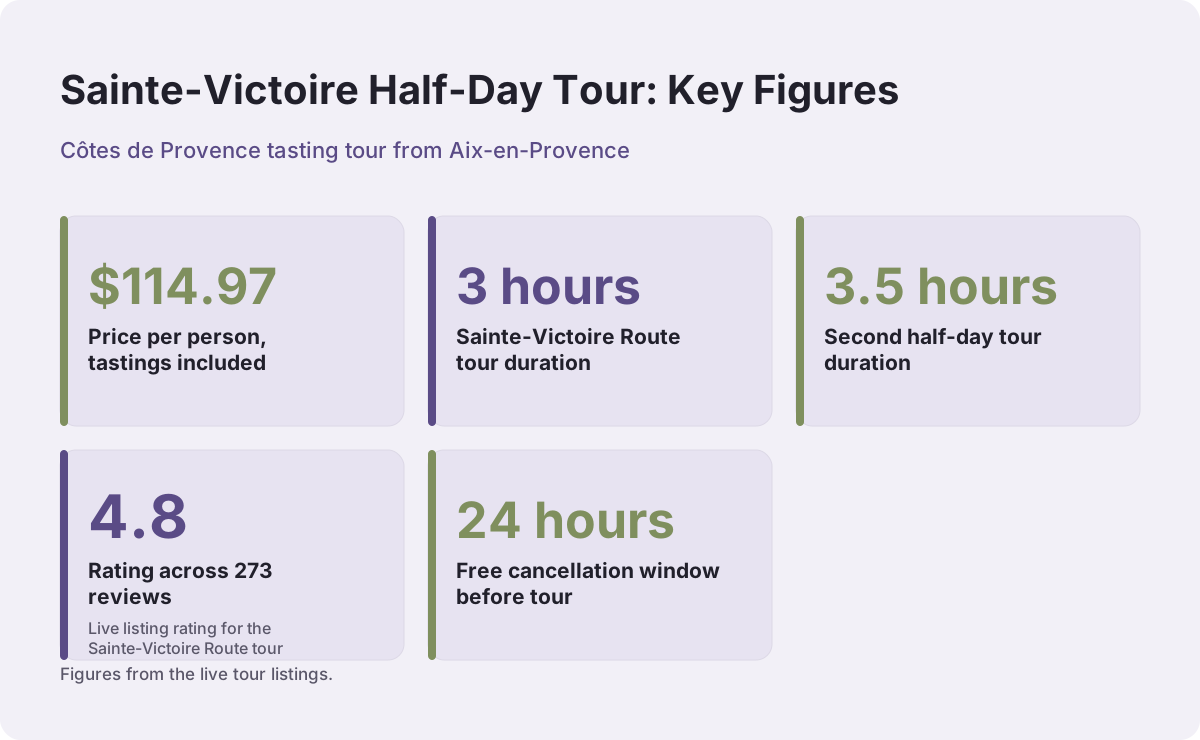
The Sainte-Victoire route from Aix is the most popular half-day option. The 3-hour "Sainte-Victoire Route, Côtes de Provence" tour visits estates in the foothills of the mountain, focusing on the rosés and reds that carry the Sainte-Victoire sub-denomination. The price is $114.97 per person, tastings are included, and the tour is rated 4.8 across 273 reviews on the live listing. The drive from Aix to Puyloubier is only 24.5 km, so the time in the vineyard is maximised.
For a longer exploration, the Sainte-Victoire half-day tour from Aix runs 3.5 hours and costs $114.97 per person. It is rated 5 across 4 reviews, so the rating is real but the review count is small. The tour stays within the Sainte-Victoire communes and often includes a stop at a family-run estate that produces both AOC Côtes de Provence and IGP wines.
From Nice, the full-day Côtes de Provence tour with hotel pickup covers much more ground. It is an 8-hour small-group tour priced at $191.62 per person, rated 4.9 across 237 reviews. The route reaches the Côtes de Provence heartland around Les Arcs-sur-Argens, a drive of about 62.8 km from Cannes or 85.6 km from Nice. The day includes tastings at three or four estates, a lunch break in a village, and a look at the Provençal countryside. The difference between this full-day tour and the half-day Sainte-Victoire tours is the variety of appellations covered: you may taste Côtes de Provence alongside Coteaux Varois or even a Bandol rosé on the return.
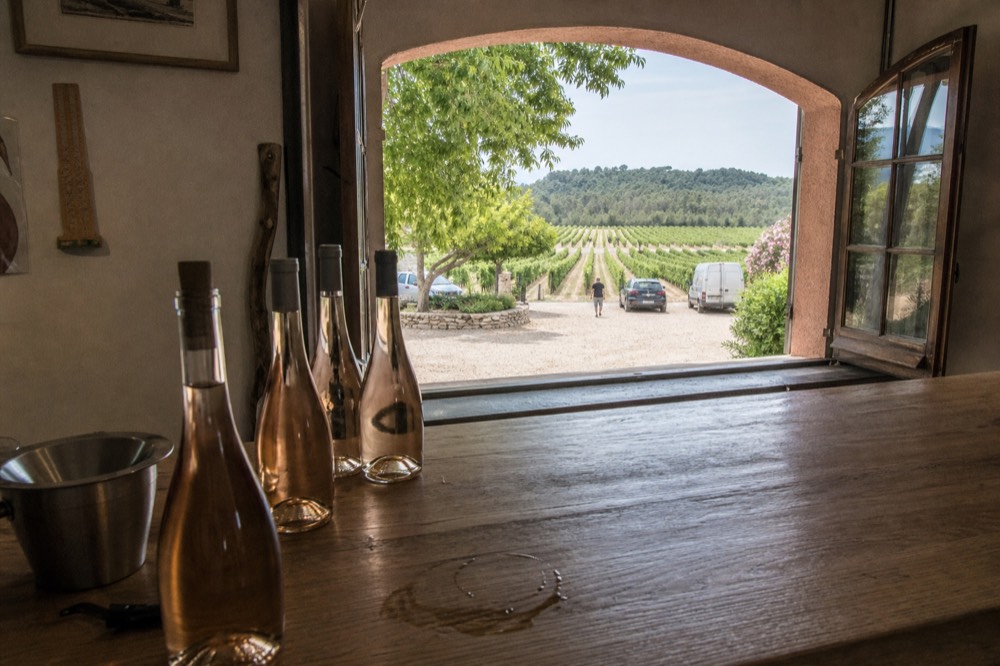
All three tours include tasting fees in the price, and the operators list free cancellation. The small-group format means you are not following a large coach, and the guides tend to be local and knowledgeable about the sub-denominations. For anyone who wants to go deeper into the La Londe white wines, a private tour is the only way to guarantee a visit to a specific producer, as the group tours rarely detour that far south.
Côtes De Provence Grapes And Winemaking
Côtes de Provence reds and rosés are built mainly on cinsaut, grenache, mourvèdre, syrah and tibouren, with tibouren giving many rosés their herbal, peppery lift, while accessory reds include cabernet-sauvignon and carignan. White wines are led by vermentino (rolle), with clairette, grenache blanc, sémillon and ugni blanc also permitted, and yields are capped at an average 9,500 kg/ha for the basic appellation and 8,500 kg/ha for the five sub-denominations.
The grape list is set by the INAO cahier des charges, and while the appellation is large, the blend rules are strict. For rosés, the blend must be at least 60% principal varieties, and the accessory grapes cannot exceed 40%. In practice, most Côtes de Provence rosés are built around grenache, cinsaut and syrah, with tibouren adding a distinctive note in the best cuvées. Tibouren is almost unique to Provence and is one of the markers that separates a Côtes de Provence rosé from a generic southern French rosé.
The white wines, though only 6% of production, are growing in quality. Vermentino, known locally as rolle, is the most planted white grape, and it gives a fresh, aromatic wine with notes of pear and white flowers. The La Londe sub-denomination is the only one that officially covers white, and its schist soils produce a saline, almost briny white that is unlike anything else in the Côtes de Provence.
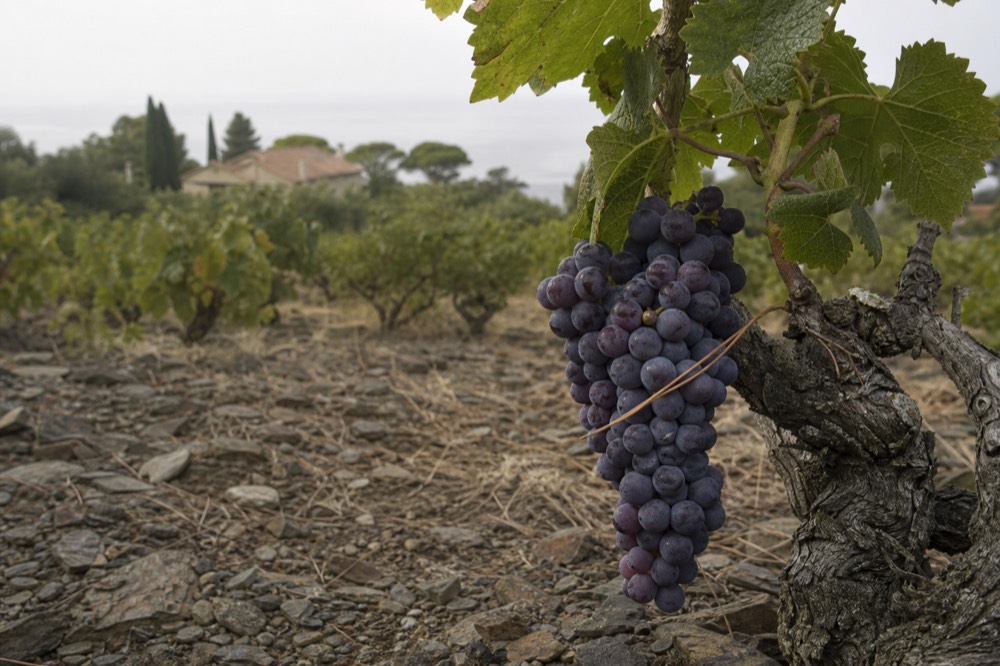
The winemaking process for the rosés is almost entirely direct pressing, with a short maceration that extracts just enough colour and tannin. The wines are fermented in temperature-controlled stainless steel to preserve the bright fruit. The reds, which are a small share, are often made from mourvèdre and syrah and see some oak aging, though the style remains medium-bodied and drinkable young. The Cabernet-sauvignon that appears as an accessory variety is unusual in Provence and is a legacy of the appellation’s broad commune list.
For a deeper look at the reds, the Bandol and Cassis appellations are worth a separate trip. Bandol and Cassis wine tours cover the Mourvèdre-dominant reds that age for 18 months in barrel, a stark contrast to the lighter Côtes de Provence reds.
Côtes De Provence Vs Other Provence Appellations
Côtes de Provence is the largest of the three Vins de Provence AOPs, but it is not the only appellation making rosé in the region. Coteaux d’Aix-en-Provence and Coteaux Varois en Provence are the other two AOPs in the same interprofessional group, each with its own harvest volumes and styles. Beyond these three, Bandol, Cassis, Les Baux-de-Provence, Palette and Bellet are separate AOPs with different grape rules and winemaking traditions.
The table below compares the three Vins de Provence AOPs in terms of area, production and hallmark.
| Appellation | Approximate area (hectares) | 2024 harvest (hl) | Hallmark |
|---|---|---|---|
| Côtes de Provence | ~20,300 | 805,807 hl (rosé 721,686, white 44,434, red 39,687) | Largest, five sub-denominations, rosé leader |
| Coteaux d’Aix-en-Provence | ~4,100 (2009 figure) | 201,984 hl (rosé 168,949, white 20,327, red 12,708) | Cabernet-sauvignon accessory, more reds |
| Coteaux Varois en Provence | Not published | 122,348 hl (rosé 110,954, white 5,419, red 5,975) | Higher altitude, cooler nights, structured rosés |
The Coteaux d’Aix-en-Provence appellation is the second largest and is often mixed with Côtes de Provence on tasting itineraries from Aix. Its reds use cabernet-sauvignon as an accessory, which is unusual for Provence. The Coteaux Varois en Provence sits at higher altitude, and its rosés tend to be a shade darker and more structured.
The appellations outside the Vins de Provence trio, Bandol, Cassis, Les Baux, Palette, Bellet, are much smaller and have their own AOC rules. Bandol is red-dominant, with Mourvèdre making up 50 to 95% of the blend, and its reds must age 18 months in barrel. Cassis is white-dominant, with about 70% of production in white wine, and is one of France’s first six AOCs alongside Châteauneuf-du-Pape. Les Baux-de-Provence became an independent AOC by the decree of 20 April 1995, having previously been a sub-denomination of Coteaux d’Aix. Our Provence wine region guide maps all these appellations and their touring routes.
Key Facts And Figures For Côtes De Provence
Côtes de Provence covers 20,300 hectares across 84 communes, with AOC status granted in 1977 and its five sub-denominations approved between 2004 and 2007. Parcel loads are capped at 9,500 kg/ha for the basic appellation, with a lower limit of 8,500 kg/ha for the DGCs, and the heart of the appellation lies between 24.5 km from Aix (Puyloubier) and 85.6 km from Nice (Les Arcs).
The infographic below summarises the core numbers that matter for a visitor planning a tasting trip. The road distances are free-flow times, not tour schedules, and the hectolitre figures are from the 2024 harvest.
The harvest season in Provence starts in the earliest parcels in the second half of August and runs into mid-September for later sectors. The exact start date changes every year, so a tour in late August will see some activity, while September is the core harvest month. The mistral, Provence’s strong northwesterly wind, is strongest in winter and spring and hits the Avignon and Châteauneuf-du-Pape side hardest, but it also affects the inland Côtes de Provence areas. Gusts can reach 80 to 100 km/h, and on a spring tasting day, a windproof layer is a good idea.
For a broader look at the region’s wine map, our Provence wine map guide shows the layout of all appellations and the main tasting routes.
Common Questions About Côtes De Provence
What Is Côtes De Provence Wine?
Côtes de Provence is the largest appellation in Provence, covering about 20,300 hectares across 84 communes. It produces white, red and rosé wines, with rosé making up 89% of output. The AOC was granted in 1977 and includes five geographical sub-denominations: Sainte-Victoire, La Londe, Fréjus, Pierrefeu and Notre-Dame des Anges.
How Much Rosé Does Côtes De Provence Produce?
The appellation produced 721,686 hectolitres of rosé in the 2024 harvest, which is 89% of its total output. Across the three Vins de Provence AOPs, Provence supplies 40 to 45% of French AOP rosé and about 5% of world rosé production.
What Are The Sub-Denominations Of Côtes De Provence?
The five sub-denominations are Sainte-Victoire, La Londe, Fréjus, Pierrefeu and Notre-Dame des Anges. Sainte-Victoire and La Londe are the best known. La Londe is the only one that also covers white wine; the others are reserved for red and rosé.
What Grapes Are Used In Côtes De Provence Wines?
The principal red and rosé grapes are cinsaut, grenache, mourvèdre, syrah and tibouren, with tibouren being the local speciality. White grapes are led by vermentino (rolle), with clairette, grenache blanc and sémillon also permitted.
How Can I Taste Côtes De Provence Wines On A Tour?
Small-group half-day and full-day tours depart from Aix-en-Provence and Nice, visiting estates in the Sainte-Victoire foothills or the Côtes de Provence heartland. Tastings are included in the price, and most operators offer free cancellation.
Is Côtes De Provence The Same As Provence Rosé?
Not exactly. Côtes de Provence is the largest appellation within the three Vins de Provence AOPs, but the term "Provence rosé" can also include wines from Coteaux d’Aix-en-Provence and Coteaux Varois en Provence. The CIVP’s statistics cover all three AOPs, not the separate appellations of Bandol, Cassis or Les Baux.