What Food Is Famous In Provence?
From ratatouille to bouillabaisse, discover the iconic dishes of Provence and how they pair with the region’s rosé wines.
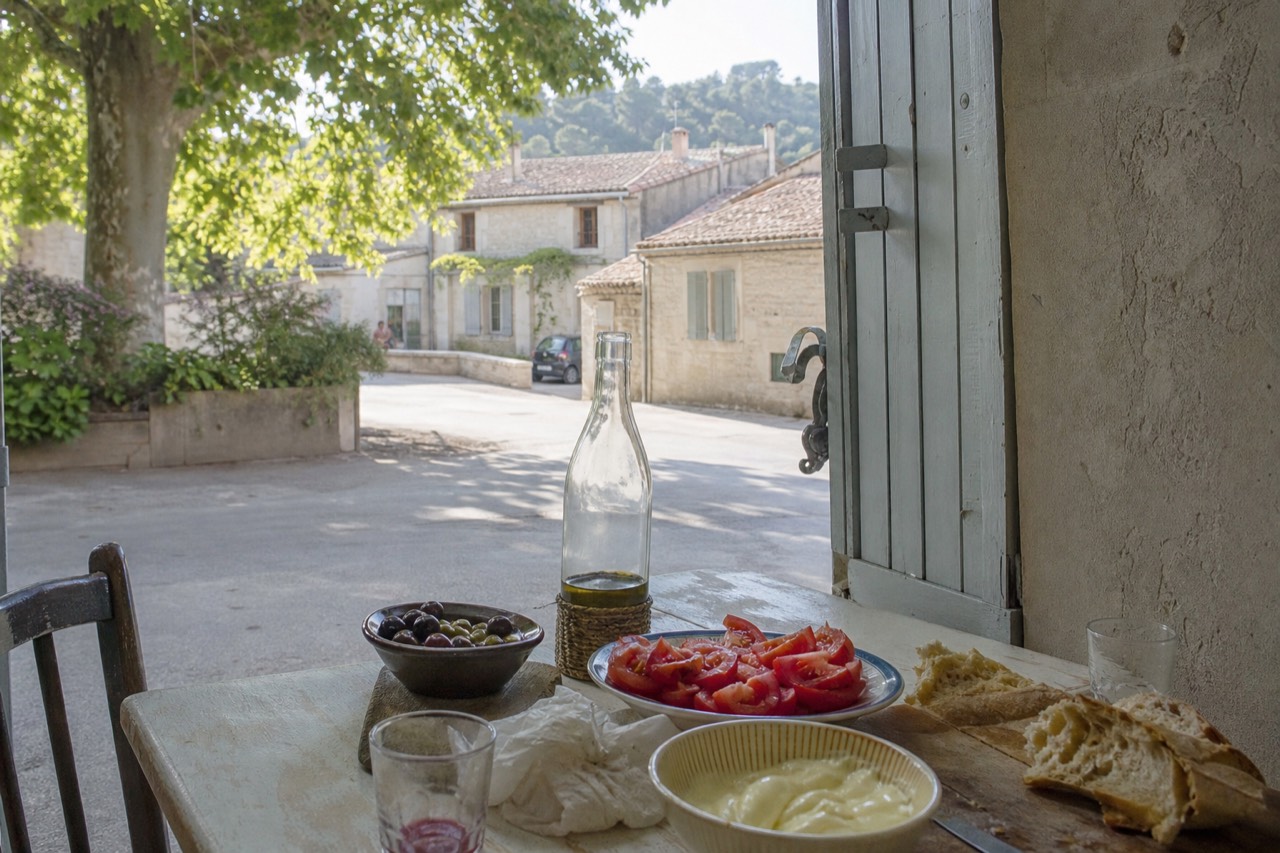
What Food Is Famous In Provence?
Provence is famous for ratatouille, bouillabaisse, tapenade, aioli, soupe au pistou, and the thirteen desserts of Christmas, all built on olive oil, garlic, tomatoes, and herbs de Provence. The region’s cuisine is deeply tied to its markets, its sun-soaked vegetables, and its Mediterranean seafood, with many dishes designed to pair with the local rosé wines.
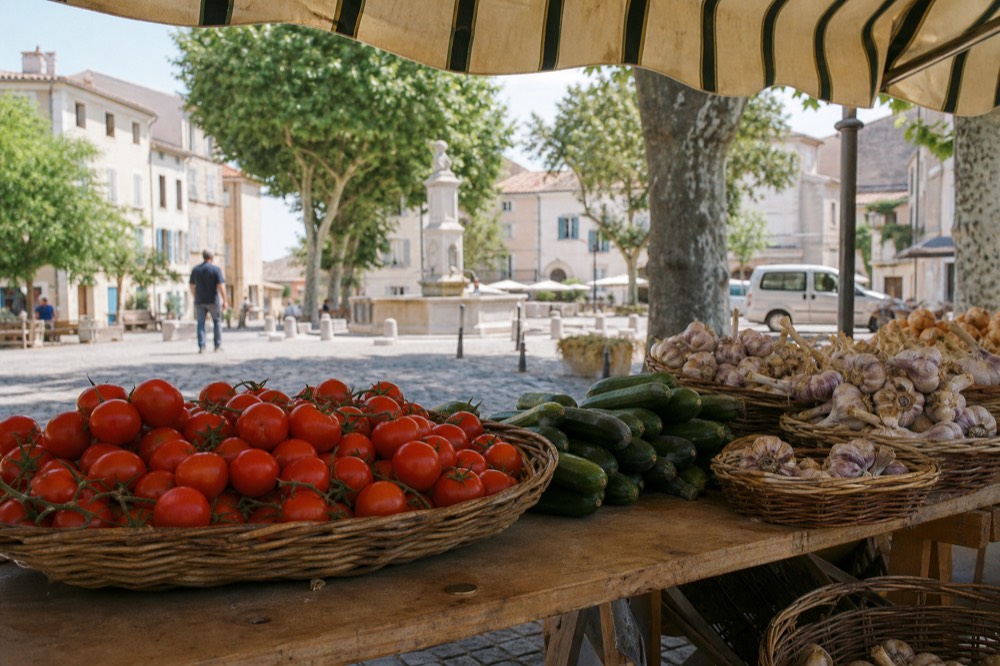
Walk through any Provençal market and the first thing that hits you is the smell: ripe tomatoes, lavender, garlic, and the brine of fresh anchovies. The food here is not a tourist invention. It is the honest, seasonal cooking of a region that has always had olive trees, rocky soil, and a long coastline. The dishes that made Provence famous are the ones that never left the family table.
That table is built on a few ingredients. Olive oil from the Vallée des Baux and Haute-Provence, garlic, tomatoes, peppers, courgettes, aubergines, and herbs de Provence, a mix of thyme, rosemary, oregano, and sometimes lavender (see Valensole Lavender). The sea brings anchovies, sardines, sea bass, and the rockfish that go into a real bouillabaisse. The land brings lamb from the Alpilles and goats’ cheeses wrapped in chestnut leaves. Everything else is technique and time.
One of the best ways to understand Provençal food is to follow it from the market to the glass. The region’s wines, especially the pale rosés of Côtes de Provence, are made to sit beside these dishes, not dominate them. A half-day tasting tour from Aix-en-Provence can connect the dots in a single afternoon.
The legal drinking age in France is 18, and the country’s drink-driving limits are strict. For anyone on a probationary licence, the limit is effectively zero, 0.2 g/L blood, which makes a driven wine tour the safest way to taste across several estates. That is not a footnote, it is the honest reason a booked tour makes sense here.
Which Dishes Define Provençal Cuisine?
The core dishes of Provence are ratatouille, bouillabaisse, tapenade, aioli, soupe au pistou, daube provençale, and the thirteen desserts. Each one is tied to a specific place, season, or tradition, and most are built on the same pantry of olive oil, garlic, tomatoes, and wild herbs.
Ratatouille is the dish most people name first. It is a slow-cooked stew of aubergines, courgettes, peppers, tomatoes, onions, and garlic, finished with herbs de Provence. The vegetables are often sautéed separately before being layered and simmered, a method that keeps each one distinct rather than turning the whole pot to mush. It can be served hot, cold, or at room temperature, which makes it a summer staple.
Bouillabaisse is the other heavyweight. This is a fish stew from Marseille, made with at least four types of local rockfish, cooked in a broth of tomatoes, saffron, fennel, and orange peel. The broth is served first, poured over croutons rubbed with garlic and topped with rouille, a rust-coloured mayonnaise of olive oil, garlic, and chilli. The fish follows on a separate platter. A real bouillabaisse is a two-course event, and it is not cheap, because the fish that go into it are expensive and the preparation takes hours.
| Dish | Key Ingredients | Typical Season | Best Paired With |
|---|---|---|---|
| Ratatouille | Aubergine, courgette, pepper, tomato, onion, garlic, herbs | Summer | Côtes de Provence rosé |
| Bouillabaisse | Rockfish, saffron, fennel, tomato, rouille | Year-round | Cassis blanc or Bandol rosé |
| Tapenade | Black olives, capers, anchovies, olive oil | Year-round | Coteaux d'Aix rosé |
| Aioli | Garlic, olive oil, egg yolk, salt cod, vegetables | Spring/summer | Côtes de Provence blanc |
| Soupe au pistou | White beans, green beans, courgette, tomato, basil, garlic | Summer | Coteaux d'Aix rosé |
| Daube provençale | Beef or bull, red wine, orange zest, olives | Winter | Bandol rouge |
| Thirteen desserts | Dried fruit, nuts, nougat, fougasse, fresh fruit | Christmas | Muscat de Beaumes-de-Venise |
Aioli is as much a social event as a sauce. The name refers to the garlic mayonnaise itself, but the full dish, le grand aïoli, is a platter of steamed salt cod, boiled vegetables, and hard-boiled eggs, all meant to be dipped into the aioli. It appears at village fêtes and family lunches, and it is one of the few Provençal dishes that does not lean on tomatoes.
Soupe au pistou is the Provençal answer to minestrone, a vegetable soup of white beans, green beans, courgettes, and tomatoes, finished with a dollop of pistou, a paste of basil, garlic, and olive oil, no cheese in the purist version. It is a summer dish, made when the basil is at its most fragrant.
Tapenade is the simplest of the lot: black olives, capers, anchovies, and olive oil pounded into a paste. It is spread on bread, served with crudités, or used as a condiment for grilled fish. The name comes from the Provençal word for capers, tapeno.
Daube provençale is the winter braise. Beef, or sometimes bull, is marinated overnight in red wine with orange zest and herbs, then slow-cooked with olives and root vegetables. It is the dish that Bandol rouge was made for, the tannins from the Mourvèdre cutting through the richness of the meat.
The thirteen desserts are a Christmas tradition: dried figs, almonds, raisins, walnuts, dates, quince paste, fresh fruit, fougasse, white and dark nougat, and a few others that vary by village. They are served after the gros souper on Christmas Eve and represent Christ and the twelve apostles. The number is fixed, the exact list is not. Many of these dishes appear at village fêtes throughout the summer, often paired with a chilled rosé from the local cooperative.
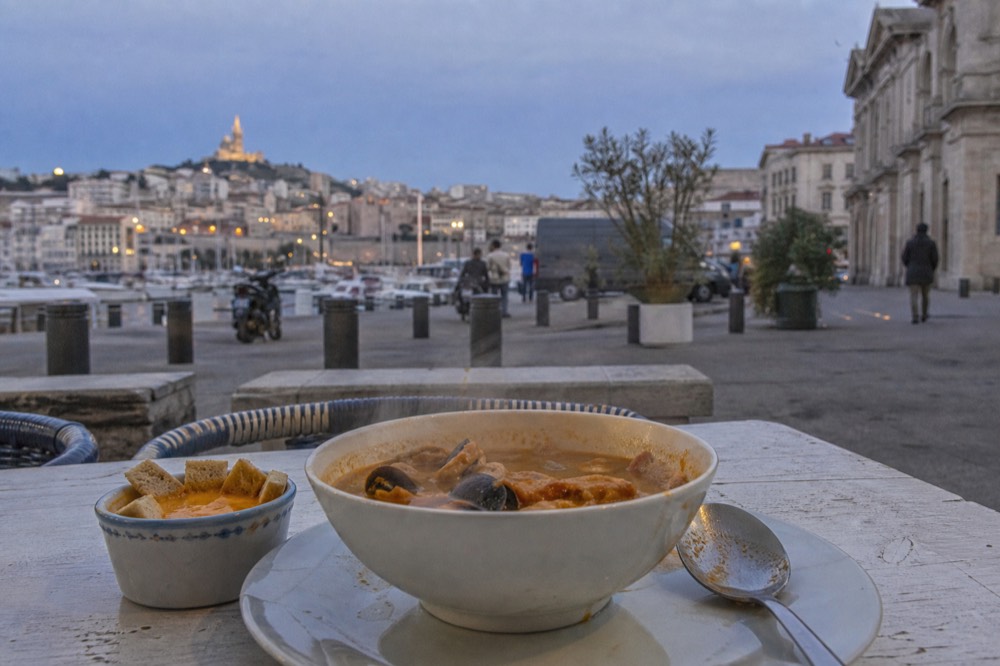
For visitors who want to taste these dishes where they belong, a half-day wine tour from Aix-en-Provence often includes a stop at a domaine where the winemaker will talk about what they eat with their own wines. That is where the theory becomes lunch.
The same tour runs at $156.78 per person with tastings included, and every stop is arranged so there is no driving after a glass. That matters because the probationary licence limit in France is 0.2 g/L blood, which is effectively zero glasses, and the general limit is 0.5 g/L. A booked tour removes the maths from the equation.
How Does Provençal Food Pair With Local Wines?
Provençal food is built to pair with the region’s wines, especially the pale rosés that make up 89% of production. The rule of thumb is simple: lighter dishes with rosé or white, richer stews and grilled meats with red, and the garlic-heavy classics with a chilled white or a structured rosé.
The 2024 harvest across the three Provence AOPs was 1,130,139 hectolitres, with rosé at 89%, white at 6%, and red at 5%. That colour split is not an accident. The cuisine of Provence, built on vegetables, olive oil, and seafood, works best with a wine that refreshes rather than overpowers. A Côtes de Provence rosé, with its notes of red berries and citrus, sits beside a ratatouille or a plate of grilled sardines without competing.
For bouillabaisse, the classic match is a white Cassis, which is about 70% of that appellation’s production. Cassis blanc, made largely from clairette and marsanne, has a saline, herbal character that stands up to the saffron and fennel in the broth. A Bandol rosé, with its deeper structure from the Mourvèdre, can also work, especially if the rouille has a good kick of chilli.
When the dish turns to meat, the wine turns red. Daube provençale calls for a Bandol rouge, aged a minimum of 18 months in barrel, with the Mourvèdre giving it the tannic backbone to handle the long-braised beef. A Châteauneuf-du-Pape rouge, blending 13 traditional grape names from 18 permitted varieties, brings more power and spice, a good match for lamb grilled over vine cuttings.
Aioli, with its garlic intensity, is often paired with a chilled Côtes de Provence white, made from rolle (vermentino) and clairette. The wine’s acidity cuts through the oil and garlic, and the cold temperature is a relief on a hot terrace. The same white works with soupe au pistou, where the basil and garlic need a clean, crisp foil.
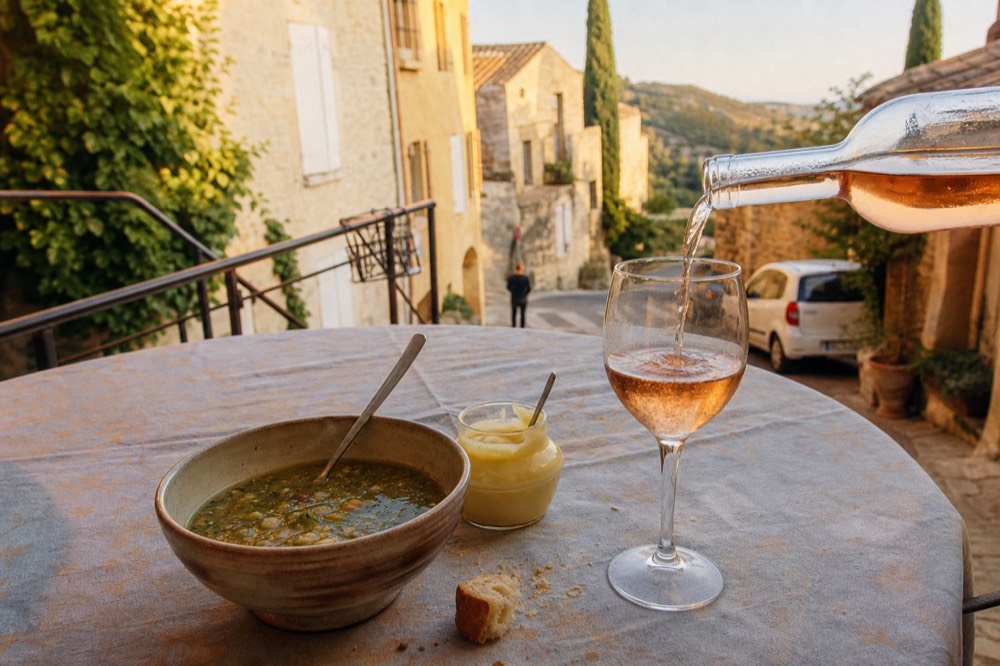
For visitors who want to explore these pairings firsthand, a tour like the Coteaux d’Aix half-day tasting from Aix-en-Provence stops at three estates where the winemaker often discusses food pairing. The tour is $121.94 per person, rated 4.7 across 25 reviews, and all tasting fees are included.
The Coteaux d'Aix appellation covered more than 4,100 hectares in 2009 and produces wines in all three colours, with cabernet sauvignon permitted as an accessory variety, a rarity in Provence. That gives the reds a slightly different profile, with more blackcurrant and structure, which can hold up to a daube or a grilled steak. The tour also passes through the countryside below Sainte-Victoire, where Cézanne painted, and the winemakers often discuss how the local cuisine shapes their blends.
What Food Experiences Should You Not Miss In Provence?
The essential food experiences in Provence are a morning market, a visit to an olive oil mill, a bouillabaisse lunch in Marseille, a wine tasting at a domaine, and a village fête where aïoli is served from a communal pot. Each one is a window into how the region eats, not just what it eats.
The markets are the heartbeat of Provençal food. In Aix-en-Provence, the Tuesday, Thursday, and Saturday markets fill the Place Richelme and the Cours Mirabeau with producers selling vegetables, cheeses, olives, and honey. The Saturday market in Arles is one of the largest in France, and the market in L’Isle-sur-la-Sorgue on Sunday adds antiques to the food stalls. Go early, buy a fougasse, and eat it standing up.
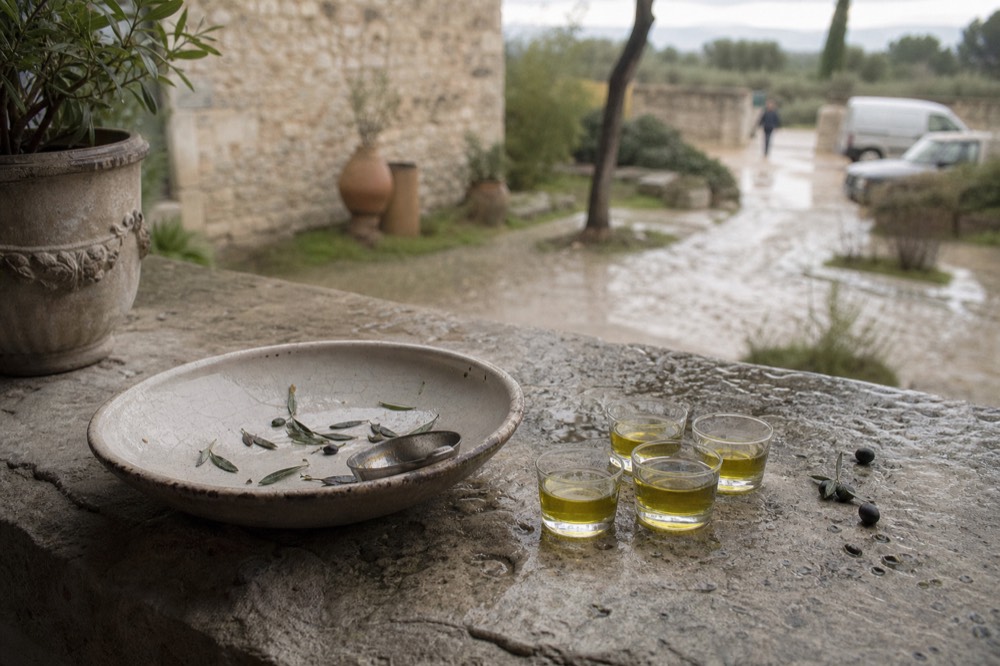
Olive oil is the foundation. The Vallée des Baux and Haute-Provence produce oils with a peppery finish and a grassy aroma, often from the aglandau, salonenque, and grossane varieties. Several mills offer tastings, and the best ones will let you compare a green, early-harvest oil with a milder, later one. The difference is as stark as between a young Bandol and an aged one.
Bouillabaisse in Marseille is a pilgrimage. The dish is protected by a charter, the Charte de la Bouillabaisse Marseillaise, which sets minimum standards for the fish, the service, and the price. A real bouillabaisse is a fixed-price menu, and it is worth every euro. Book ahead, because the best restaurants make a limited number of portions each day.
A wine tasting at a domaine ties the food to the land. Many estates in Côtes de Provence and Coteaux d’Aix have tasting rooms open by appointment, and the winemaker will often bring out a plate of local charcuterie or cheese to show how the wine changes with food. For a structured day, a small-group tour from Aix-en-Provence handles the driving and the appointments, leaving you free to taste.
The Châteauneuf-du-Pape half-day tour from Avignon is another strong option, especially if you want to taste the reds that pair with daube and lamb. It runs $103.36 per person, rated 4.8 across 456 reviews, and visits two or three domaines in the appellation that was one of France’s first six AOCs, decreed on 15 May 1936. The drive from Avignon is only 17.4 km and about 23 minutes, so you spend more time in the cellars than on the road. The reds from this appellation, with their blend of up to 13 grape varieties, are built for the region's slow-cooked daubes and grilled lamb.
The mistral is not a rain risk, it is a comfort risk. It hits the Avignon and Châteauneuf-du-Pape side hardest, where many outdoor tastings happen. Bring a windproof layer if you are visiting in spring, and know that the sun will still be shining.
For a broader look at the region’s wine and food routes, the Provence Wine Tours guides cover everything from Provence wine tasting to the best month to visit Provence. The food and the wine are two sides of the same table, and understanding one makes the other taste better.
The trio of half-day tours above covers Côtes de Provence, the Sainte-Victoire route, and Châteauneuf-du-Pape, all from Aix or Avignon. Each one includes tastings, transport, and a guide who can talk about the food as well as the wine.
Provence's food fame rests on a handful of iconic dishes that have been eaten here for centuries, from the fish stew of Marseille to the vegetable stew of the countryside, all tied to the olive oil and herbs that grow under the Mediterranean sun.
Common Questions About Provençal Food
What Food Is Famous In Provence?
Provence is famous for ratatouille, bouillabaisse, tapenade, aioli, soupe au pistou, daube provençale, and the thirteen desserts of Christmas. These dishes are built on olive oil, garlic, tomatoes, and herbs de Provence, and they are deeply tied to the region’s markets and seasons.
Is Bouillabaisse Worth The Price?
A real bouillabaisse is a two-course meal made with at least four types of local rockfish, saffron, and fennel, served with rouille and croutons. It is expensive because the fish are costly and the preparation takes hours, but it is one of the definitive food experiences of Marseille.
What Wine Goes With Ratatouille?
A pale Côtes de Provence rosé is the classic match. Its red berry and citrus notes sit beside the vegetables without overpowering them, and a slight chill makes it refreshing on a warm terrace.
Can I Visit An Olive Oil Mill In Provence?
Yes, several mills in the Vallée des Baux and Haute-Provence offer tastings. The best ones let you compare early-harvest and late-harvest oils, and many sell directly from the mill.
What Is The Thirteen Desserts Tradition?
The thirteen desserts are served after the Christmas Eve meal and represent Christ and the twelve apostles. The exact list varies by village, but it always includes dried fruit, nuts, nougat, fougasse, and fresh fruit.