What Winery Does Brad Pitt Own?
Brad Pitt owns Château Miraval, a Côtes de Provence estate in Correns that produces one of the world’s most famous rosés. Learn about the winery and how to taste its wines on a guided tour.
What Winery Does Brad Pitt Own?
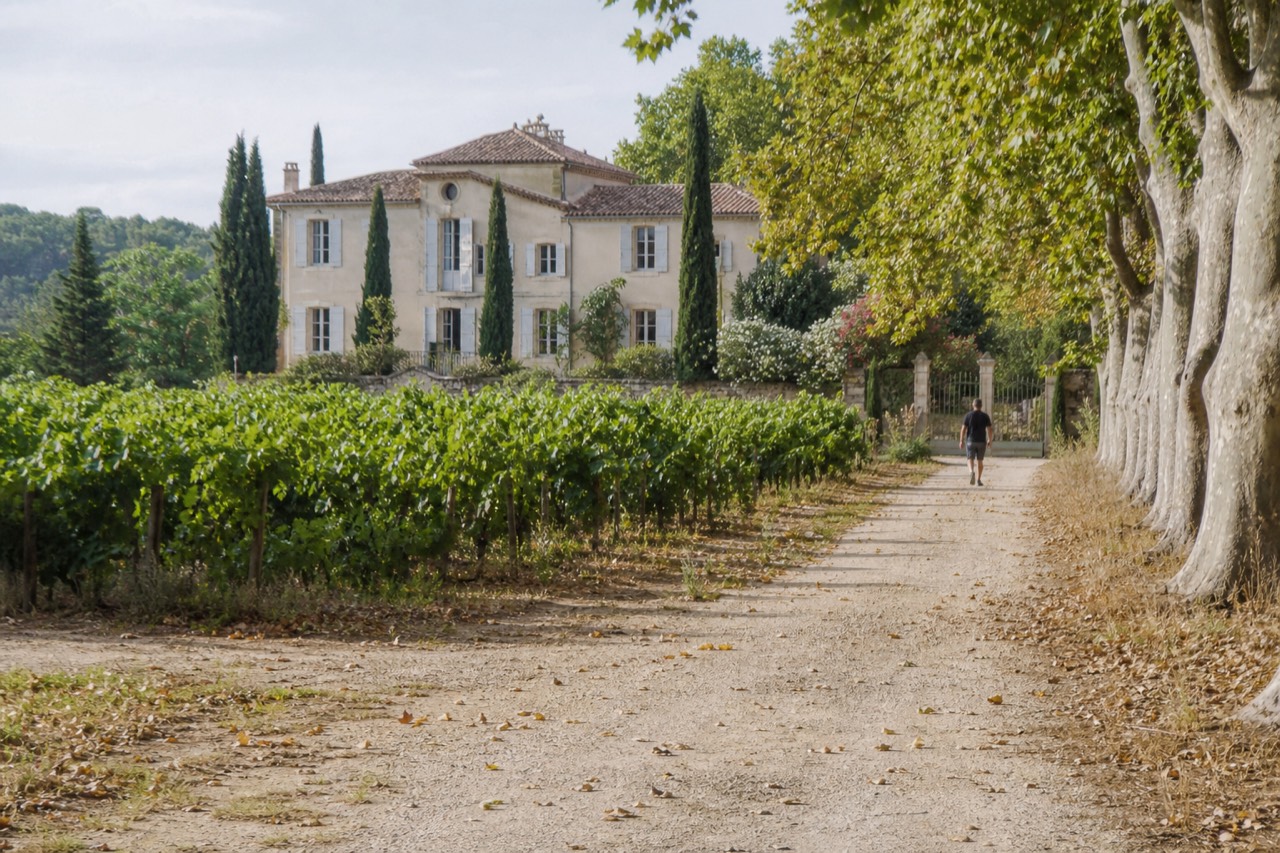
Brad Pitt owns Château Miraval, a wine estate in the Côtes de Provence appellation, located in the village of Correns in the Var department of southern France. The estate produces highly regarded rosé, white, and red wines under the Miraval label, with the rosé being its flagship and the wine that put the property on the global map.
Château Miraval sits inside the Côtes de Provence AOC, the largest appellation in Provence, covering 20,300 hectares across 84 communes. The estate’s vineyards are planted on limestone slopes surrounded by olive groves and woodland, producing the grapes that go into Miraval’s acclaimed wines. The winemaking is overseen by the Perrin family of Château de Beaucastel, a partnership with the Perrin family that has been central to the estate’s quality. While Miraval itself is not open for drop-in visits, its wines are widely available and heavily awarded, and the surrounding countryside is packed with estates that welcome visitors. A guided small-group tour remains the most practical way to experience the appellation’s wines firsthand. Provence Wine Tours covers the Sainte-Victoire and Côtes de Provence routes from Aix, giving you a structured tasting day without the guesswork.
The Côtes de Provence appellation is overwhelmingly rosé. Across the 2024 vintage, rosé accounted for 89% of production, white for 6%, and red for 5%. Within that sea of pink, Miraval’s bottling consistently ranks among the most sought-after, often selling out within weeks of release. The tours below all include tastings, transport, and free cancellation.
Why Is Miraval Rosé So Famous?
Miraval rosé became famous through a combination of celebrity ownership, a partnership with the Perrin family of Château de Beaucastel, and a style that perfectly captures the pale, aromatic, bone-dry profile that defines modern Provence rosé. The wine’s consistent high scores from critics and its presence on the world’s best restaurant lists have cemented its status.
The Provence rosé phenomenon is not just about one estate. The Côtes de Provence, Coteaux d’Aix-en-Provence, and Coteaux Varois en Provence together produced 1,130,139 hectolitres of wine in 2024, of which 1,001,589 hectolitres were rosé. That volume makes Provence responsible for 40% to 45% of all French AOP rosé production and about 5% of world rosé. Miraval sits inside that powerhouse, and its success has helped lift the entire category.
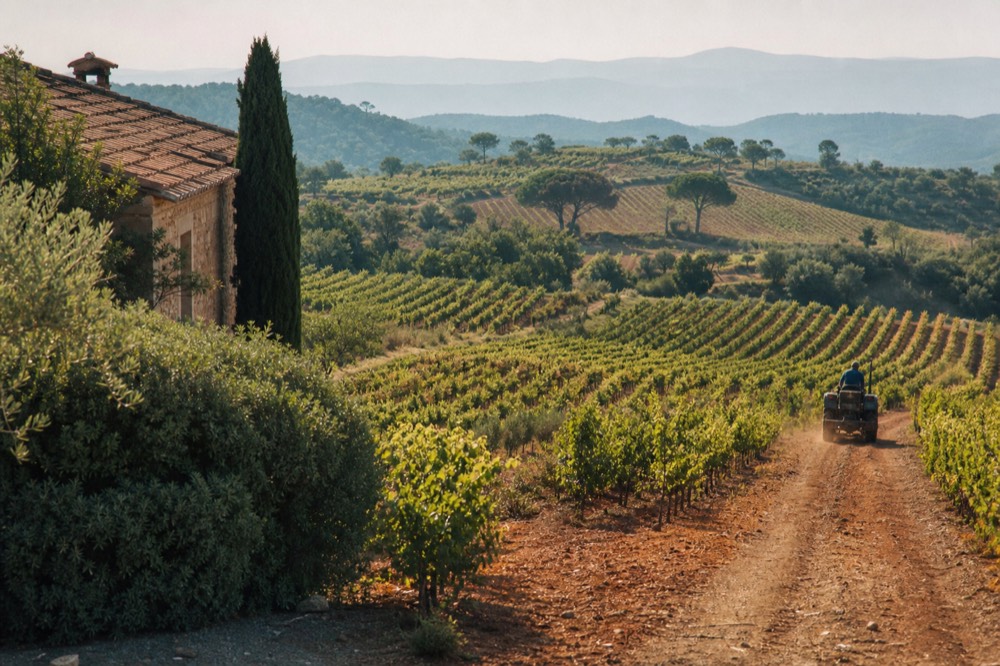
The table below shows the 2024 colour split for the three Provence AOPs, which is the context in which Miraval operates. The estate’s own production is overwhelmingly rosé, with small quantities of white and red, mirroring the regional pattern.
| Colour | Vins de Provence total (hl) | Côtes de Provence (hl) | Coteaux d’Aix (hl) | Coteaux Varois (hl) |
|---|---|---|---|---|
| Rosé (89%) | 1,001,589 | 721,686 | 168,949 | 110,954 |
| White (6%) | 70,180 | 44,434 | 20,327 | 5,419 |
| Red (5%) | 58,370 | 39,687 | 12,708 | 5,975 |
The style that made Miraval famous is a direct result of the Côtes de Provence terroir: a blend of grenache, cinsaut, syrah, and rolle, fermented at low temperatures to preserve freshness. The wine is pale salmon in colour, with notes of white peach, citrus, and wild herbs. It is deliberately made to be consumed young, which is why each vintage sells out fast.
Tasting Miraval rosé at a cellar door is not an option, but you can taste wines from the same appellation on a guided tour that visits working estates. The Sainte-Victoire Route tour from Aix is a natural fit: it runs through the heart of the Côtes de Provence countryside and includes two tasting stops at small-production domaines.
The partnership behind the bottle explains much of its quality. The Perrin family, best known for Château de Beaucastel in Châteauneuf-du-Pape, handles the winemaking at Miraval, bringing the same estate-driven approach they use in the southern Rhône. Their involvement dates to 2013, when the first Perrin-made vintage was released, and the collaboration has continued since. The estate itself, Château Miraval, sits near the village of Correns in the Var, on a site with a winemaking history reaching back to Roman times. The estate is a working farm, with vines planted alongside its other crops, with the rest given over to olive groves, oak forest, and a working farmhouse.
Miraval’s flagship rosé is sold under the Studio by Miraval label in some markets, a nod to the recording studio on the estate where artists including Pink Floyd, Sting, and The Cranberries recorded. The studio, Studio Miraval, remains part of the property’s identity and is one reason the estate carries cultural weight well beyond wine circles. The first vintage under the Miraval name was the 2012, released in 2013, and it quickly became one of the best-selling imported rosés in the United States.
For visitors, the wider Correns area offers a way to experience the same terroir. The village markets itself as the first organic commune in France, with vineyards farmed without synthetic pesticides across much of the surrounding land. Several small domaines around Correns and the nearby Arc valley welcome visitors by appointment, and many of them work with the same grenache, cinsaut, and rolle varieties that shape Miraval’s style. A tasting there gives a sense of how the pale, dry profile the estate made famous expresses itself across neighbouring properties.
What Makes The Côtes De Provence Appellation Special?
The Côtes de Provence appellation is the largest in Provence, covering 20,300 hectares across 84 communes, and is responsible for the vast majority of the region’s rosé production. Its five sub-denominations, Sainte-Victoire, Fréjus, La Londe, Pierrefeu, and Notre-Dame des Anges, each impose stricter rules on grape varieties and yields, creating distinct wine styles within a single AOC.
The sub-denominations are not just labels on a bottle. Sainte-Victoire, for example, caps yields at 8,500 kg/ha compared to 9,500 kg/ha for the broader appellation, a rule that pushes growers toward lower yields and more concentrated fruit. La Londe, the only sub-denomination that also covers white wines, sits right on the Mediterranean coast and benefits from cooling sea breezes that preserve acidity. These internal distinctions mean that two Côtes de Provence rosés can taste very different depending on where the grapes were grown.
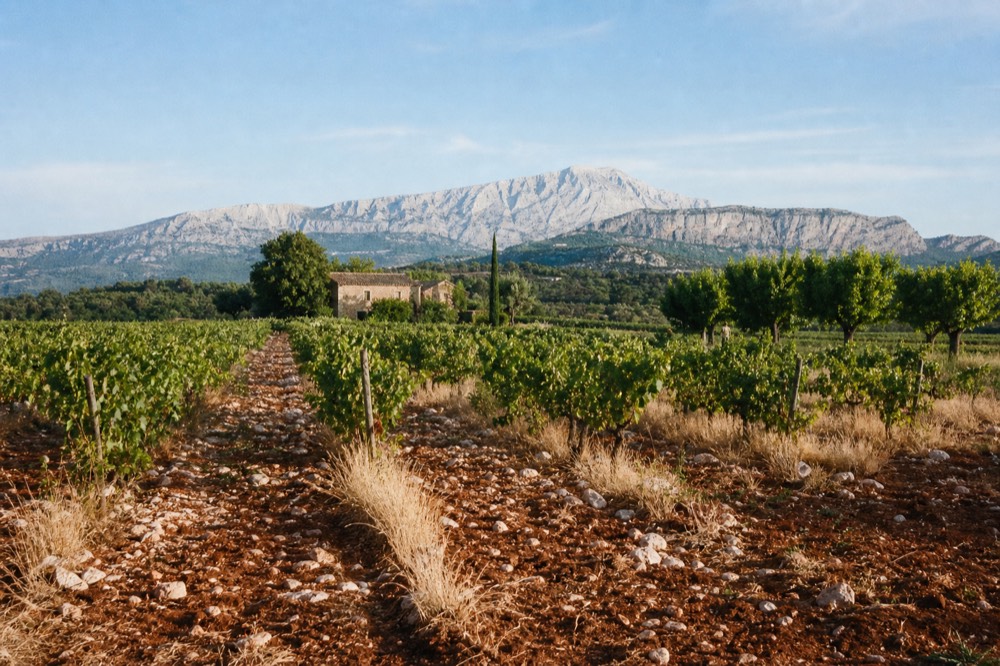
The distances from Aix-en-Provence to key points in the appellation show how accessible the wine country really is. The Sainte-Victoire zone is a short drive, while the eastern edge of the appellation near Les Arcs-sur-Argens takes over an hour. A guided tour handles the logistics so you can focus on the tasting.
| Route | Road distance | Free-flow driving time |
|---|---|---|
| Aix-en-Provence to Puyloubier (Sainte-Victoire) | 24.5 km | 31 min |
| Aix-en-Provence to Les Arcs-sur-Argens (Côtes de Provence) | 99.5 km | 75 min |
| Aix-en-Provence to Lourmarin (Luberon) | 40.1 km | 39 min |
For a deeper look at the appellation, read our guide to Côtes de Provence wine. The Sainte-Victoire Route tour from Aix is the most direct way to taste the sub-denomination’s wines in a single afternoon.
Where Is Château Miraval And Can You Visit?
Château Miraval is located in the village of Correns, in the Var department, about an hour’s drive northeast of Aix-en-Provence. The estate is a private residence and working winery, not open to the public for drop-in tastings or tours, so the best way to taste Côtes de Provence wines is through a pre-booked small-group tour that visits other estates in the same appellation.
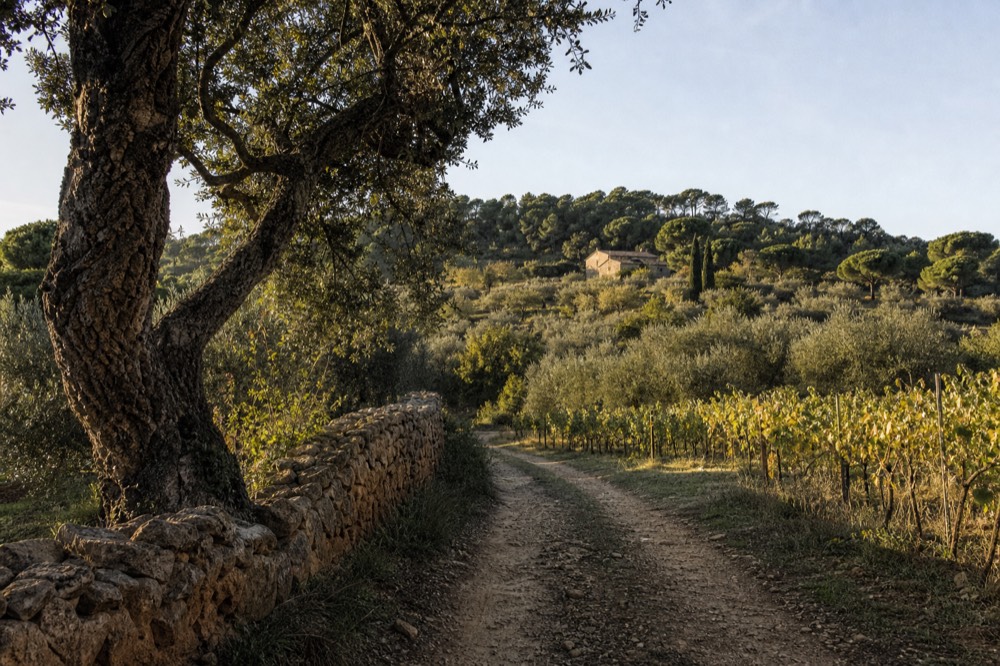
Correns sits in the heart of the Côtes de Provence AOC, surrounded by rolling hills, olive groves, and vineyards. The village itself is known as the first organic village in France, and the surrounding area is a patchwork of certified organic and biodynamic estates, including Miraval. The estate’s vineyards produce the grapes for its wines, with the rest of the property given to woodland and olive trees.
France’s strict drink-driving laws make a guided tour essential. The legal limit is 0.5 g/L of blood for most drivers, but for anyone on a probationary licence, which lasts three years after passing the test, the limit drops to 0.2 g/L, effectively zero alcohol. That means even a single tasting pour puts a driver over the limit, so a tour with a designated driver is the only safe way to explore the wine route. The Sainte-Victoire Route tour from Aix takes you to two Côtes de Provence estates in a single afternoon, with tastings included and a guide who knows the appellation.
If you have a little more time, a half-day tasting tour from Aix covers a different corner of the appellation and adds an extra tasting stop, giving you a broader view of Côtes de Provence styles beyond the rosé that Miraval made famous.
What Other Côtes De Provence Wines Can You Taste Near Aix?
Beyond Miraval, the Côtes de Provence appellation is home to hundreds of estates producing rosé, white, and red wines, many of them family-run and open to visitors by appointment. A guided half-day or full-day tour from Aix-en-Provence is the most efficient way to taste several domaines in a single outing, with transport and cellar-door fees handled for you.
The Côtes de Provence AOC stretches from the foothills of the Sainte-Victoire mountain to the Mediterranean coast, and its sub-denominations each have distinct personalities. The Sainte-Victoire sub-denomination, which lies closest to Aix, is reserved for red and rosé wines and imposes a lower maximum yield than the broader appellation, 8,500 kg/ha versus 9,500 kg/ha, which tends to produce more concentrated wines. The La Londe sub-denomination, by contrast, is the only one that also covers white wines, and its coastal vineyards produce whites with a saline edge that is rare in Provence.
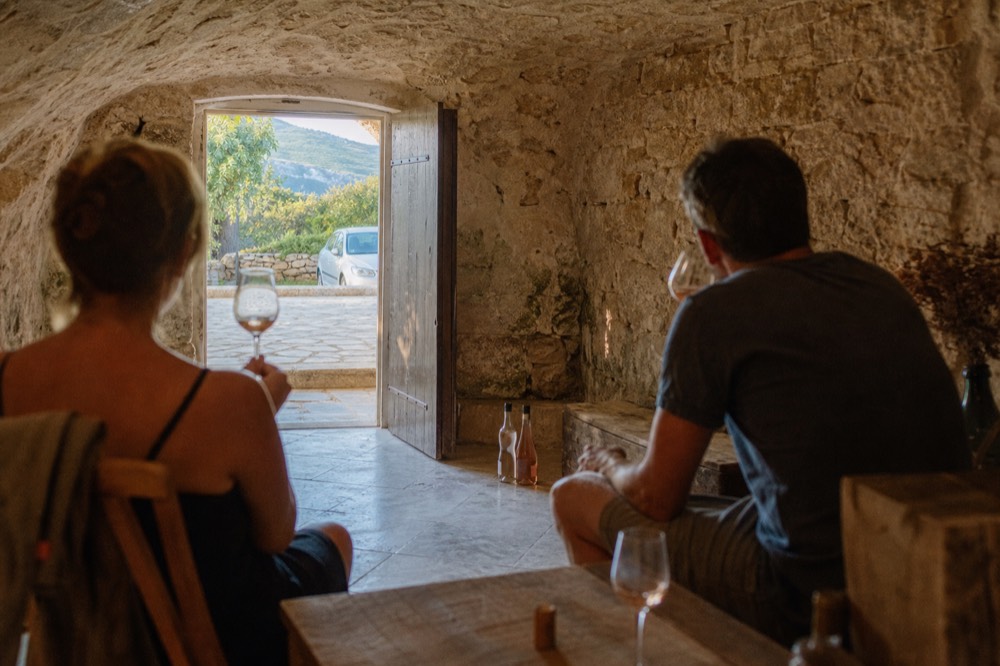
A half-day tasting tour from Aix gives you a solid introduction to the Sainte-Victoire zone, with stops at two cellars and a chance to compare the pale, mineral rosés that define the sub-denomination. The half-day tour runs 3.5 hours, visits two domaines, and is priced from $156.78 per person with tastings included. Check availability
For a deeper dive, a full-day tour from Nice reaches the eastern edge of the appellation, including the La Londe sub-denomination, and lets you taste the full range of styles in a single day.
How To Plan A Côtes De Provence Tasting Day
A tasting day in the Côtes de Provence works best when you pick a base city, choose a tour length that matches your schedule, and let a guide handle the driving so you can taste without worrying about France’s strict drink-driving limits. The probationary licence limit of 0.2 g/L of blood effectively means zero alcohol for anyone who passed their test in the last three years, making a driven tour the only safe option.
The mistral wind, which can gust to 80 to 100 km/h, is strongest in winter and spring, so a spring tasting in the Rhône valley may call for a windproof layer. Summer and early autumn offer the most settled weather for outdoor tastings, and the harvest period from late August through September adds an extra layer of activity in the vineyards. Booking a tour with free cancellation gives you flexibility if the weather turns.
The three tours below cover the spectrum: a 3-hour express tasting, a 3.5-hour half-day with extra cellar time, and a full-day 8-hour immersion from Nice that reaches the La Londe coast. All include tastings, small-group transport, and free cancellation, so you can book with confidence and adjust if plans change.
For more background on the region, read our guide to Provence wine tasting and the Provence rosé story. If you are based in Aix, the Aix-en-Provence wine tasting guide covers the best tours and cellar doors within easy reach. For timing your visit, our article on the best month to visit Provence breaks down the seasons.
Common Questions About What Winery Does Brad Pitt Own?
What Winery Does Brad Pitt Own?
Brad Pitt owns Château Miraval, a Côtes de Provence wine estate in the village of Correns, in the Var department of southern France. The estate produces highly regarded rosé, white, and red wines, with the rosé being its flagship.
Where Is Château Miraval Located?
Château Miraval is in Correns, a village in the Var department, about an hour’s drive northeast of Aix-en-Provence. It sits inside the Côtes de Provence AOC, the largest appellation in Provence.
Can You Visit Château Miraval For A Tasting?
No, Château Miraval is a private estate and working winery, not open to the public. The best way to taste Côtes de Provence wines is on a guided small-group tour that visits other estates in the same appellation.
What Makes Miraval Rosé So Famous?
Miraval rosé became famous through a combination of celebrity ownership, a partnership with the Perrin family, and a style that captures the pale, aromatic, bone-dry profile of modern Provence rosé. It consistently earns high critic scores and sells out quickly each vintage.
What Other Wines Does Château Miraval Produce?
In addition to its flagship rosé, Miraval produces small quantities of white and red wines. The estate’s white is a blend of rolle and grenache blanc, and the red is based on syrah and cabernet sauvignon, both reflecting the Côtes de Provence terroir.
How Can I Taste Côtes De Provence Wines From Aix-en-Provence?
Several small-group tours depart from Aix-en-Provence, ranging from 3-hour half-day tastings to full-day excursions. They include transport, guided visits to two or more estates, and all tasting fees, with free cancellation on most bookings.