How Many Days Are Enough For Provence?
A practical answer to how many days are enough for Provence, with itinerary splits for three, five and seven days, real driving distances and where the wine regions actually sit.
How Many Days Are Enough For Provence?
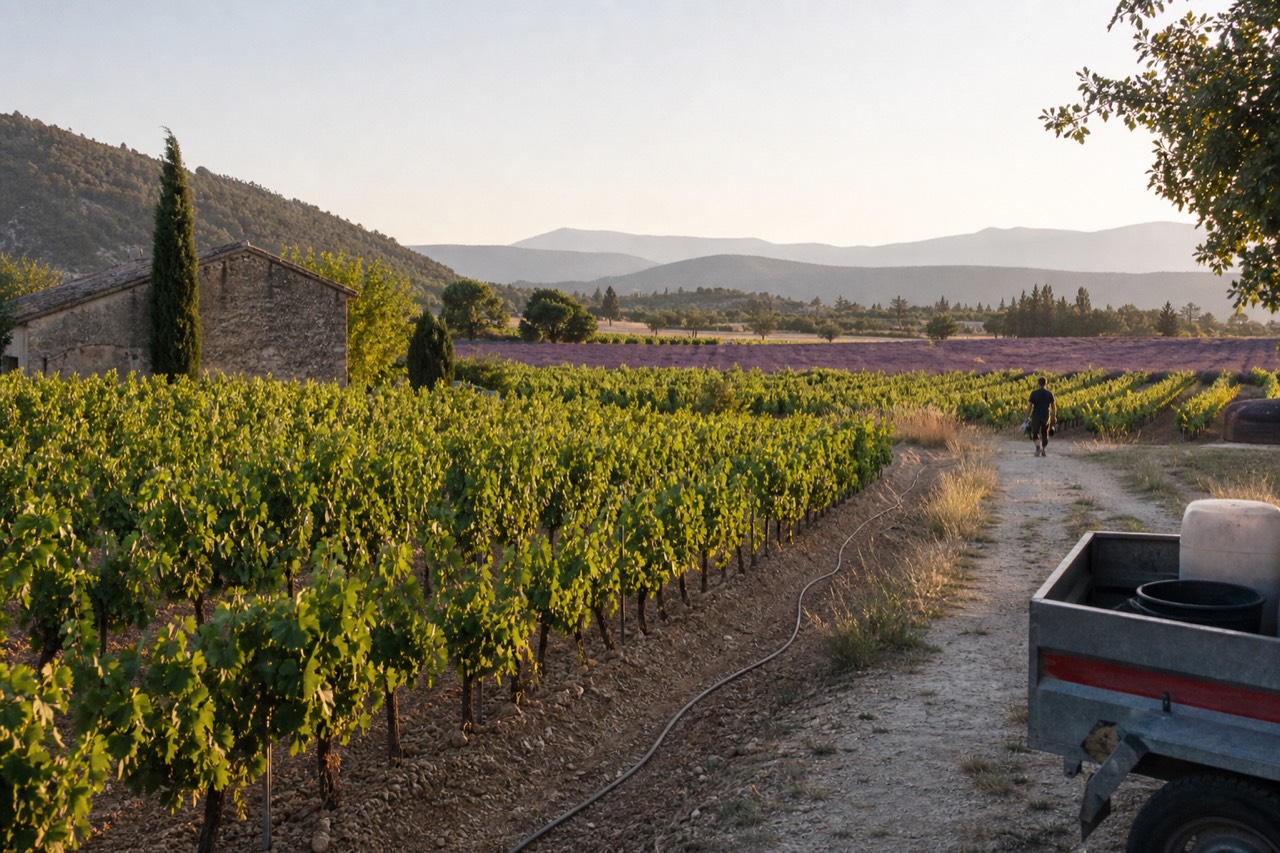
Three days is enough for Provence if you pick one base and stay honest about geography: Aix for the Luberon and Sainte-Victoire, Avignon for Châteauneuf-du-Pape, or Marseille for Cassis and Bandol. Five days is the sweet spot for most travellers, because it buys a second wine region without rushing. A week is only necessary if you want the Rhône, the Luberon and the coast in one trip.
The honest answer starts with a map, not a mood. Provence is not one region you drive across in an afternoon. Aix-en-Provence to Châteauneuf-du-Pape is 89.3 km of real road, about 67 minutes of free-flow driving before anyone has tasted anything. Avignon to the same village is 17.4 km and 23 minutes. The same destination is either a short hop or a serious commitment depending on where you sleep, and that single fact shapes every itinerary decision more than any list of "must-sees".
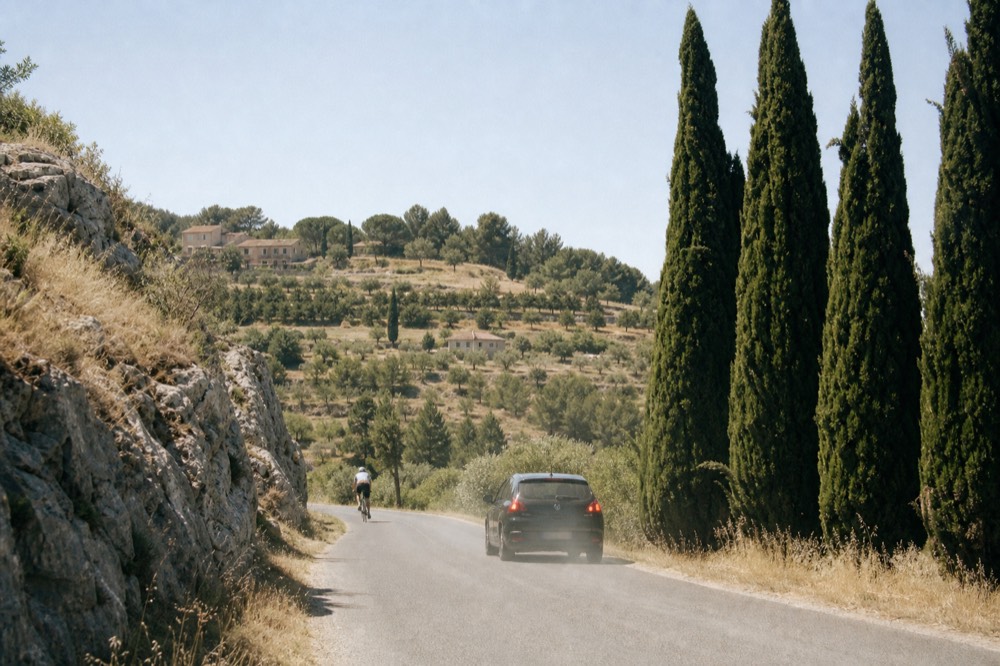
The second fact that shapes the answer is the season. INSEE defines the summer tourist season as April to September, and in that window in 2025 Provence-Alpes-Côte d'Azur recorded 43.1 million nights, up 1.9% on 2024. For stays booked through rental platforms in 2022, 44% of nights in the region fell in July and August, against 37% nationally. In plain terms: July and August are when everyone else had the same idea, and a five-day trip in May or September usually buys more actual tasting than a seven-day trip in peak summer, because you spend less of it in traffic on the A8.
There is also the harvest to consider. The Provence harvest starts in the earliest parcels in the second half of August and runs into September, with later sectors picking through mid-September. If watching a vintage come in matters to you, a September trip of even three or four days lands you in the middle of it. If quiet cellars matter more, aim earlier in spring.
If wine is the point of the trip rather than a side dish, the fastest way to convert days into tastings is a driven small-group day out, since the person behind the wheel is not the person holding the glass. These three are a good spread of what is possible from an Aix or Marseille base:
What Can You Realistically See In Three Days?
Three days works when you commit to one base and one wine country. From Aix, that means the Luberon villages and a Coteaux d'Aix or Côtes de Provence tasting day. From Avignon, it means Châteauneuf-du-Pape, only 17.4 km and 23 minutes away. From Marseille, it means Cassis and Bandol. Three days cannot honestly combine two of those clusters.
The mistake most three-day itineraries make is treating Provence as a single blob. It is not. The wine map splits cleanly into clusters, and the driving distances between clusters are long enough to eat a morning. Aix to Lourmarin in the Luberon is 40.1 km and about 39 minutes; Aix to Bonnieux is 50.0 km and 52 minutes. Those are the easy ones. Aix to Les Baux-de-Provence is 71.6 km and 64 minutes, and that is before you have found parking in the village.
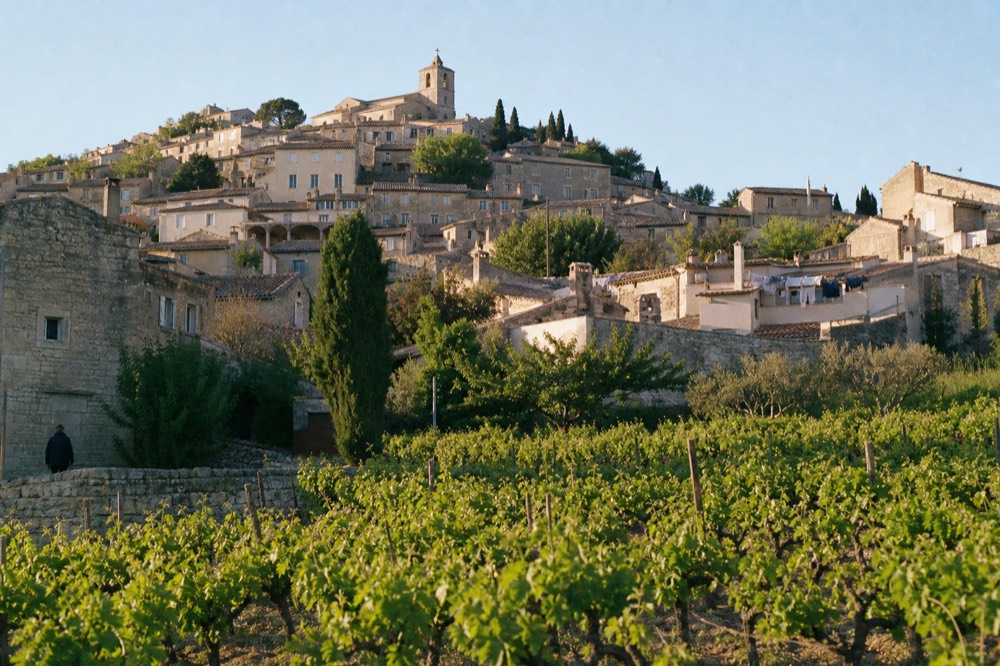
A realistic three-day Aix plan looks like this: day one for Aix itself plus a short tasting on the Sainte-Victoire route, which starts around Puyloubier, 24.5 km and 31 minutes from central Aix; day two for a full day in the Luberon; day three for either a second tasting region close by or a slow morning and the drive out. That is a genuinely good trip. What it is not is a trip that also includes Châteauneuf-du-Pape, because from Aix that is nearly 90 km each way.
The Avignon version of the same plan is even easier on the odometer. Châteauneuf-du-Pape sits 17.4 km from the city, Vacqueyras 34.5 km and Gigondas 46.7 km, so a three-day Rhône trip can taste in three different appellations without ever driving more than an hour. The trade-off is that the Luberon and the coast are both out of realistic range for day trips from Avignon, so you are choosing depth over breadth. That choice is the whole game in a short trip, and it is better made deliberately at the planning stage than discovered on day two.
| Days | Realistic scope | Base | Key driving fact |
|---|---|---|---|
| 3 | One wine cluster, one base | Aix, Avignon or Marseille | Avignon to Châteauneuf-du-Pape: 17.4 km, 23 min |
| 5 | Two wine clusters, one base plus an overnight | Aix or Avignon | Aix to Châteauneuf-du-Pape: 89.3 km, 67 min |
| 7 | Rhône, Luberon and coast | Two bases | Nice to Saint-Tropez: 111.9 km, 98 min |
One planning note that applies to any trip length: French drink-driving limits are the honest reason a driven wine tour exists at all. The general limit is 0.5 g/L of blood, but a probationary licence holder, which covers anyone who passed their test in the last three years, is held to 0.2 g/L. That is effectively zero glasses. A hired car and a tasting day do not mix for those drivers, and no itinerary fixes that.
What Does A Five-Day Itinerary Look Like?
Five days is the sweet spot for most visitors. It gives you two full wine regions, one slower day for a village or a market, and enough slack that a mistral day or a closed cellar does not sink the plan. A typical split is two nights in Aix or Avignon, two nights in the second base, and a final night near the airport or coast.
The reason five days beats four is slack, not sights. Provence has a way of consuming half-days: the market that runs long, the lunch that turns into an afternoon, the detour to a village because you saw it from the road. A four-day plan has no room for any of that. A five-day plan absorbs it.
For a wine-focused five-day version, the geography points to a clear structure. Start in Aix and spend day two on the Luberon: the villages of Lourmarin and Bonnieux are 40 to 50 km out, and a tour that bundles them with tastings saves you the winding roads and the parking. The 10-Hour Luberon Villages And Wine day from Aix costs $209.04 per person, runs small group with tastings included, and carries a 4.9 rating across 65 reviews, with free cancellation. Ten hours sounds long, but that is what the Luberon honestly takes from Aix when you add village stops to cellar stops.
Days three to five then move base. From Aix, the natural second cluster is the Rhône: Châteauneuf-du-Pape, Gigondas and Vacqueyras all sit within an hour of Avignon, which is itself 31.8 km and 34 minutes from Marseille if you are flying out that way. From Avignon, Vacqueyras is 34.5 km and Gigondas 46.7 km, so a single day can cover both without heroic driving. The mistral is worth knowing about on this side: Météo-France describes it as a turbulent, generally dry wind averaging around 50 km/h with gusts of 80 to 100 km/h, strongest in winter and spring, and its strongest zone runs between Orange, Avignon, Istres and Arles. It is a comfort problem, not a rain problem, and a windproof layer is the fix.
If you would rather stay put in Aix and taste close to town, a half-day works well as the fifth day's activity. The Half-Day Coteaux d'Aix tour runs 4.5 hours at $121.94 per person, 4.7 across 25 reviews, tastings included and free cancellation, which leaves the afternoon for the Cours Mirabeau or a last swim.
Is A Week In Provence Too Long?
No, and it is the first length at which you can honestly combine the Rhône, the Luberon and the coast. A week is too long only if you stay in one small base and drive out and back every day. The structure that works is two or three bases: Avignon for the Rhône, Aix for the Luberon and Sainte-Victoire, then Cassis, Bandol or Saint-Tropez for the coast.
A week is also where the coast becomes realistic rather than aspirational. Nice to Saint-Tropez is 111.9 km and 98 minutes of free-flow driving, and in August it is not free-flow. Cannes to the Côtes de Provence heartland around Les Arcs-sur-Argens is 62.8 km and 52 minutes, which is why the coastal wine country is its own cluster, not an add-on to an Aix trip.
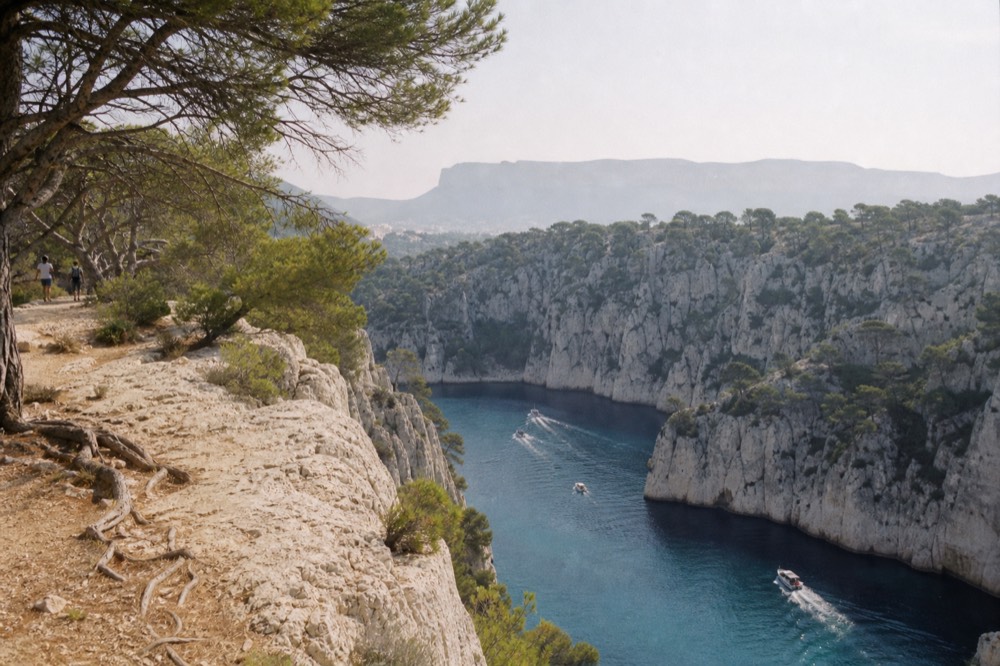
The coast also changes what is in the glass. Cassis, the appellation, is officially white-dominant, about 70% of production per the INAO spec, in a region otherwise defined by rosé. The 2024 Provence vintage was 89% rosé, 6% white and 5% red across 1,130,139 hl, and Provence accounts for 40 to 45% of French AOP rosé production and about 5% of world rosé. But those figures cover the three "Vins de Provence" AOPs only, never Bandol or Cassis, and a week that includes the coast is the only trip where you will taste why that distinction matters. Bandol reds, for instance, must be 50 to 95% Mourvèdre and age a minimum of 18 months in barrel or foudre. They are a different experience from anything inland.
One thing a week does not fix: opening hours. There is no region-wide rule for when cellar doors open or close, and patterns are set estate by estate. A booked tour arrives at a cellar the operator has arranged, which is the real reason booking beats turning up, and that is true whether you have three days or thirty.
How Do You Choose A Base When Time Is Short?
Choose the base that puts your top wine region within an hour, not the one with the best hotel photos. Avignon wins for Châteauneuf-du-Pape at 17.4 km. Aix wins for the Luberon and Sainte-Victoire. Marseille wins for Cassis at 25.7 km and Bandol at 54.9 km. Nice and Cannes serve the coastal Côtes de Provence, at 85.6 km and 62.8 km to Les Arcs-sur-Argens respectively.
This is the decision with the biggest impact on a short trip, and it is worth being blunt about the trade-offs. Avignon and Aix are the two classic bases, and they serve completely different wine countries. If your heart is set on Châteauneuf-du-Pape, sleeping in Aix means nearly 90 km each way; sleeping in Avignon means 17 km. The reverse applies to the Luberon. Marseille is the underrated third option: it is 31.8 km from Aix, so it can double as a city break and a coastal wine base, and the Luberon is reachable on a full-day tour at 7.5 hours from $184.66 per person, 4.9 across 41 reviews.
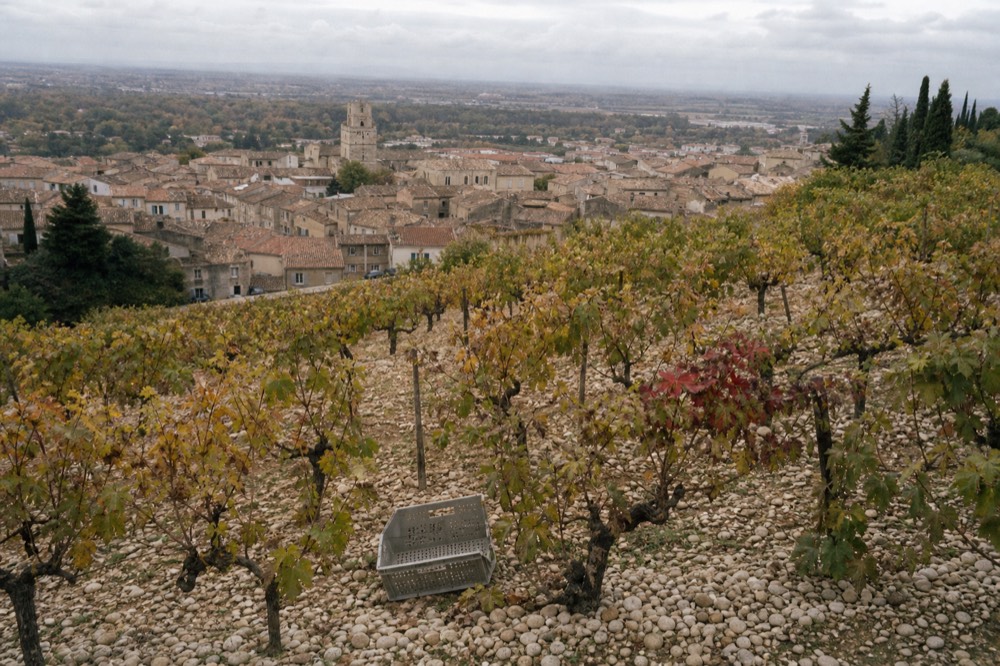
For planning around the year rather than the map, the mistral and the harvest are the two patterns worth knowing. The mistral is strongest in winter and spring and hits the Avignon and Châteauneuf side hardest, which is exactly where the outdoor-terrace tastings are. The harvest runs from the second half of August into September. Neither is a reason to cancel anything; both are reasons to pack a layer and to book September if you want to see the vendanges.
For a deeper look at the regions themselves before you commit days to them, our guides to the Provence wine region and to wine tours from Avignon break down each cluster in detail. And if you are still weighing one base against another, the comparison of Avignon or Aix-en-Provence covers the non-wine side of the choice. The short version from this side of the argument: Provence Wine Tours exists because the distances and the drink-driving limits make self-driven tasting days a poor trade, and every day you save by choosing the right base is a day you get back at the cellar door.
Whichever length you land on, these three driven days are the ones that convert the fewest hours into the most tastings:
Three days, five days or a week: the answer depends on how many wine clusters you want and where you sleep. The questions below cover the short-trip scenarios travellers ask about most, from the best month to the Aix-versus-Avignon choice, with the driving figures that decide each one.
Common Questions About How Many Days To Spend In Provence
How Many Days Are Enough For Provence?
Three days if you commit to one base and one wine cluster. Five days is the sweet spot for two regions. A week if you want the Rhône, the Luberon and the coast in one trip.
Is Three Days In Provence Too Short?
No, if you pick one base. Three days from Aix covers the Luberon and Sainte-Victoire; from Avignon it covers Châteauneuf-du-Pape, which is 17.4 km away. Three days only fails when you try to combine both clusters.
What Is The Best Month For A Short Provence Trip?
May, June or September. The harvest runs from the second half of August into September, so early September combines active cellars with thinner crowds than July and August, when platform-booked stays in the region peak.
Should I Stay In Aix Or Avignon?
It depends on your wine region. Avignon is 23 minutes from Châteauneuf-du-Pape; Aix is 67 minutes from it but 39 minutes from Lourmarin in the Luberon. Pick the base that puts your priority region within an hour.
Can I Do Provence Wine Country Without A Car?
Yes. Small-group driven tours run from Aix, Avignon, Marseille, Nice, Cannes and Saint-Tropez, with tastings included and free cancellation on the roster this site covers. That also solves the drink-driving limit, which is 0.5 g/L generally and 0.2 g/L on a probationary licence.
Is A Week Too Long For Provence?
No. A week is the first length that honestly fits the Rhône, the Luberon and the coast, using two or three bases. It is only too long if you stay in one small base and drive long return legs every day.