Is Les Baux De Provence Worth It?
Yes, Les Baux-de-Provence is worth it, with caveats on crowds and timing. What the village, the ruined castle and the wine appellation actually offer, plus honest drive times and tour options.
Is Les Baux De Provence Worth It?
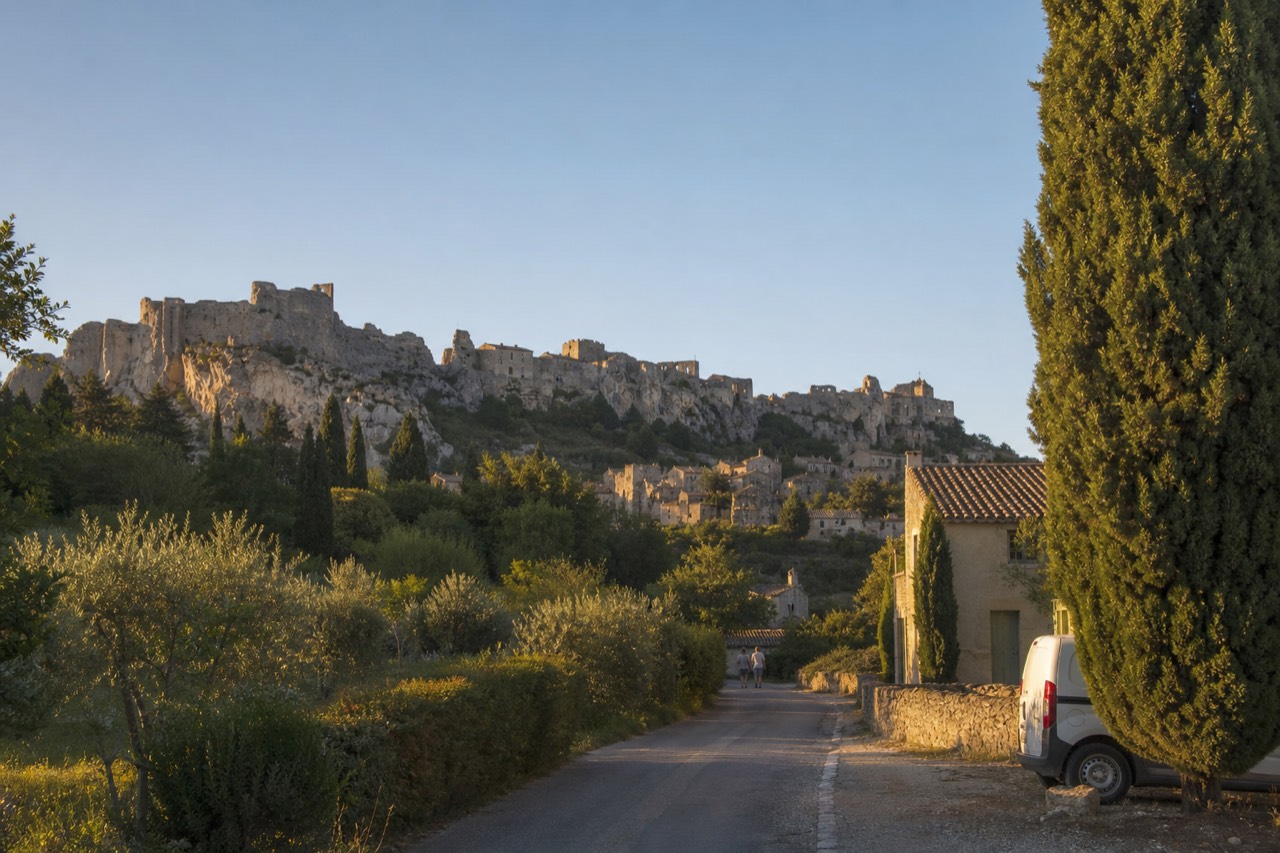
Yes, Les Baux-de-Provence is worth visiting, and it earns the trip on three things: a genuine cliff-top citadel ruin you can walk through, a village of white limestone houses that photographs exactly as promised, and a small, distinctive wine appellation of the same name that most visitors never taste. The honest caveats are summer crowds, a steep climb, and the fact that the village itself is small enough to see in half a day.
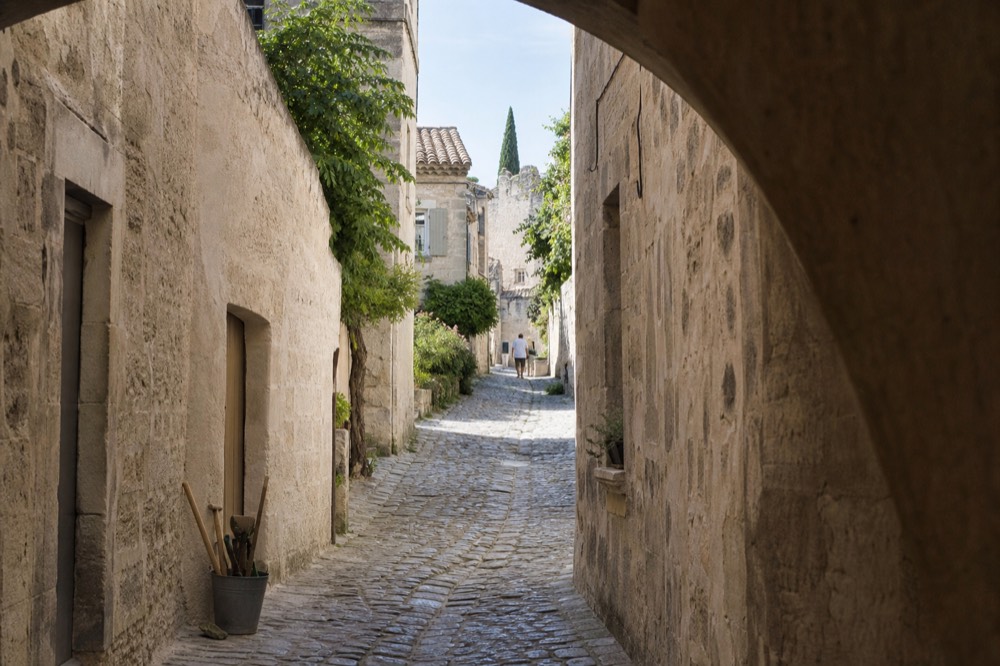
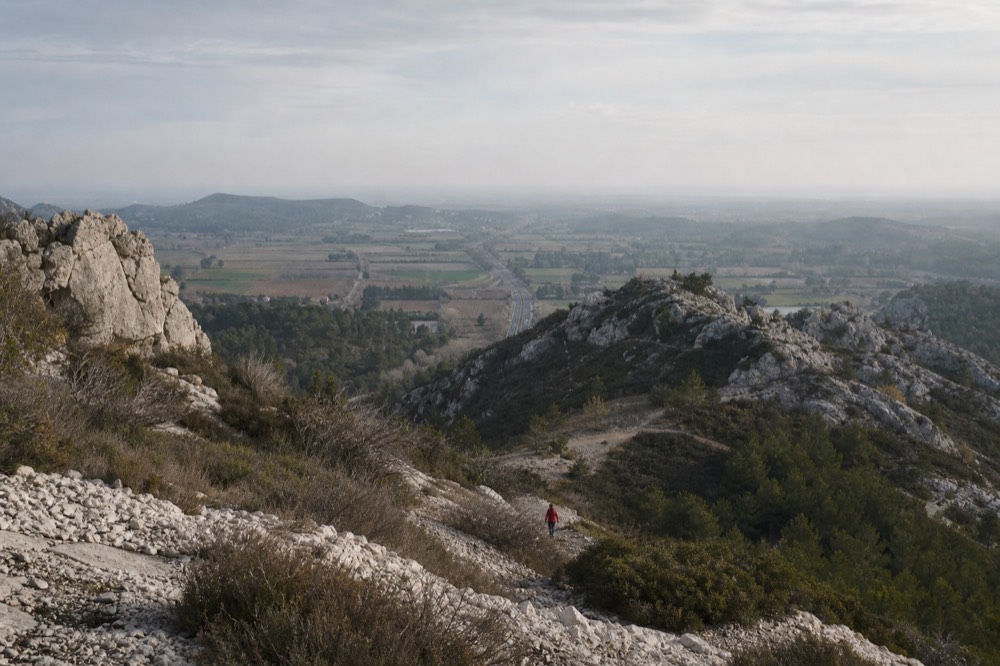
The village sits on a rocky plateau in the Alpilles, the limestone ridge that runs between Avignon and Arles. It is regularly listed among the prettiest villages in France, and unlike some entries on those lists, the architecture is not a reconstruction or a theme-park version of itself. The houses are real, the streets are narrow, and the rock the whole thing stands on drops away sharply on two sides.
The name goes back a long way. The lords of Les Baux ruled a slice of Provence from this rock in the Middle Ages, and the citadel they built was dismantled on royal orders in the seventeenth century, which is why what you visit today is a ruin rather than a restored château. That history is visible as you walk: the keep, the chapels and the defensive walls are all stone skeletons, with information panels filling in the story. It is a site that rewards a little reading, and it punishes visitors who race through in twenty minutes expecting a museum.
What surprises many first-time visitors is that there is a wine appellation here too. Les Baux-de-Provence became an independent AOC by the decree of 20 April 1995, after starting life as a sub-denomination of Coteaux d'Aix-en-Provence. It makes red, rosé and white, and its reds lean on grenache, mourvèdre and syrah. For a fuller picture of the wine side of the region, our Les Baux-de-Provence wine guide covers the appellation in detail.
If your trip to Provence is built around wine rather than scenery alone, a day that combines the Alpilles with cellar visits is easy to arrange. These three tours are the ones worth a look first.
What Do You Actually See At Les Baux-de-Provence?
The visit splits into two parts: the village itself, a compact cluster of restored stone houses, craft shops and terraces that takes roughly an hour to walk, and the Château des Baux, a ruined medieval fortress spread across the ridge above the village, where the ticketed area includes the keep, the chapel ruins and reconstructed siege engines. Together they fill a half day comfortably, longer if you eat lunch on a terrace.
The château is the part that justifies the village's fame more than the shops do. You walk out onto bare rock with sheer drops, and the views run across the Alpilles toward Arles and the Camargue plain. Children tend to love it, because it is a castle you climb on rather than look at behind a rope. The village below is pretty but touristy, and in July and August the main streets can feel like a corridor. The shops sell the usual provençal mix, lavender products, soap, ceramics and olive oil, and the olive oil is the one purchase worth taking seriously, because the Alpilles valley below the village is a genuine olive-growing area with its own protected designation.
The third attraction, the Carrières de Lumières, sits at the foot of the village: a former limestone quarry where projected art cycles across the walls and ceiling in the dark. The quarry itself is a vast cathedral-like space, and the projections, usually built around one or two painters a season, fill it with moving colour and music. It is genuinely popular and books out in peak season, so buying a timed ticket ahead is the sensible move. Between the three sites, a full day at Les Baux fills easily, but the village alone would leave you wondering what all the fuss was about by mid-afternoon.
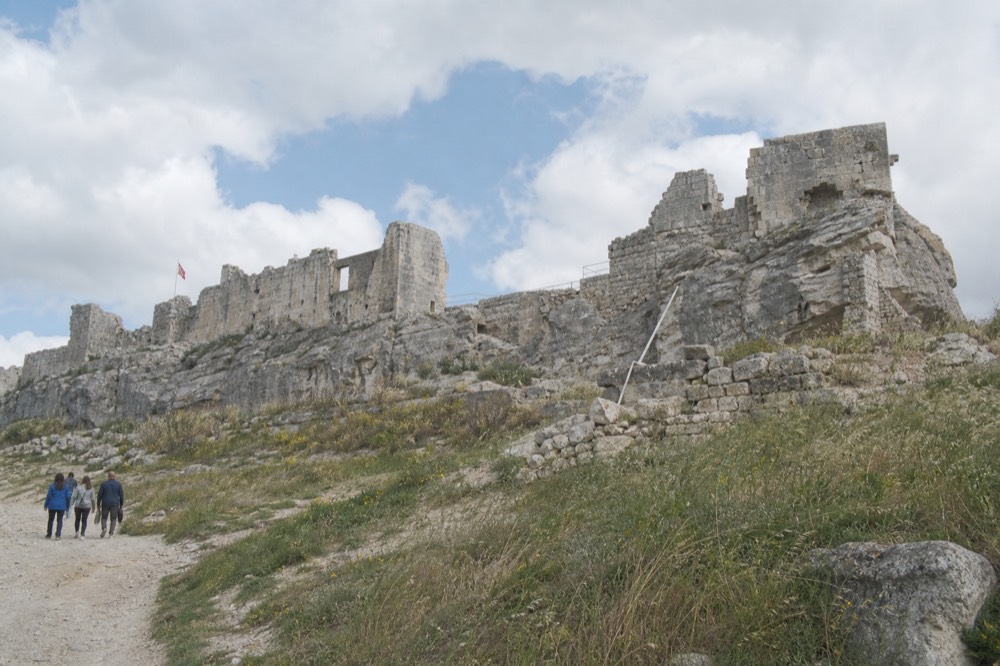
One practical note that most write-ups skip: the walk from the car parks up into the village is steep and unshaded. In summer, go early or late in the day, and in spring bring a windproof layer. The mistral, the cold dry wind that runs down the Rhône valley and across Provence, averages around 50 km/h with gusts of 80 to 100 km/h, and the Alpilles sit squarely in its path. Mistral days are dry and usually very sunny, so it is not a rain problem, it is a comfort one. A windproof jacket over a t-shirt is the provençal spring uniform for a reason.
Beyond the village itself, the Val d'Enfer, the jagged limestone gorge just below the plateau, is worth twenty minutes if you have them. Its white cliffs and collapsed caves gave it a sinister reputation in local folklore, and the same stone was cut for the quarry that became the Carrières de Lumières. Walking it connects the geology to everything you just climbed over.
How Far Is Les Baux-de-Provence, And Is The Drive Worth It?
From Avignon, Les Baux-de-Provence is 30.7 km by road, about 40 minutes of free-flow driving; from Aix-en-Provence it is 71.6 km and about 64 minutes; from Marseille you are looking at roughly an hour or more depending on the route. Those are free-flow times, not August times, and coastal and Alpilles traffic in high season can stretch them badly.
The drive itself is part of the appeal. The approach roads cross olive groves and pine scrub, and the village appears suddenly on its rock, which is the view every photographer is chasing. But the honest arithmetic matters: this is not a village you stumble past. It is a deliberate outing, and pairing it with something else in the region is the smart play.
| Starting point | Road distance | Free-flow time |
|---|---|---|
| Avignon | 30.7 km | 40 min |
| Aix-en-Provence | 71.6 km | 64 min |
| Arles | ~25 km | ~30 min |
| Marseille | ~70 km | ~70 min |
The Arles and Marseille figures are approximations for planning; the Avignon and Aix distances come from measured road routing. What the table shows is the real decision: from Avignon or Arles, Les Baux is an easy half-day. From Aix or Marseille, it belongs in a full-day loop, ideally one that includes vineyards, because the Alpilles and the surrounding appellations sit close together.
For wine travellers there is a second reason to make it a loop: the drink-driving limit in France is 0.5 g/L of blood, and on a probationary licence it is 0.2 g/L, effectively zero glasses. Anyone who passed their test within the last three years, or anyone who intends to taste properly, should not be self-driving a wine day. That is the honest reason driven tours exist at all, and it applies to the Alpilles as much as to Châteauneuf-du-Pape.
Is The Wine Of Les Baux-de-Provence Worth Tasting?
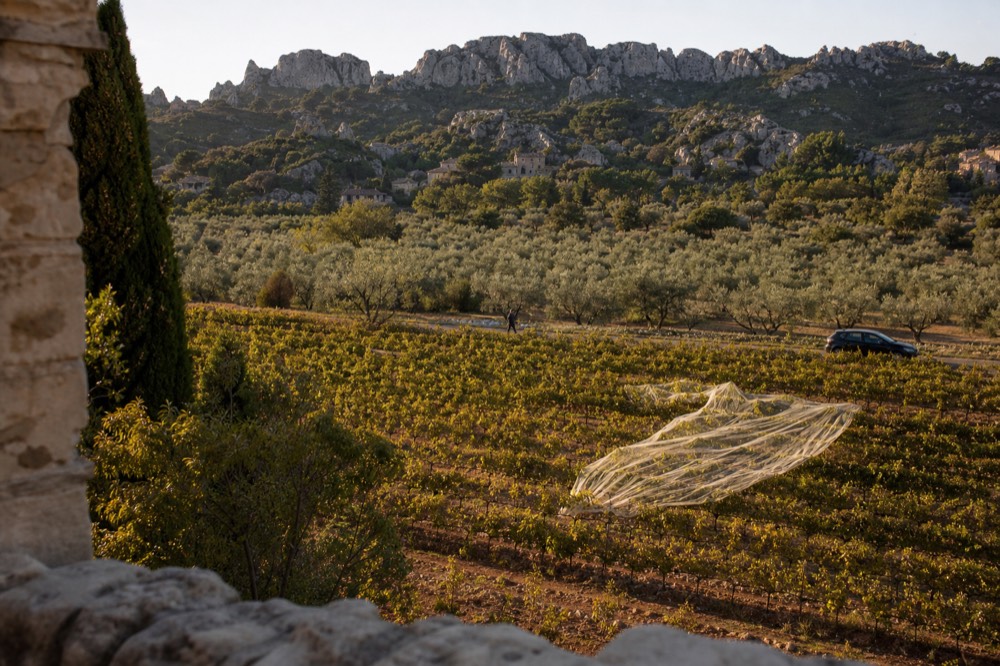
Yes, and it is the part most visitors miss. Les Baux-de-Provence is a small AOC covering red, rosé and white, granted independent status in 1995, with reds built on grenache, mourvèdre and syrah and a yield cap of 50 hl/ha that is tighter than the regional standard. The estates around the village sit among olive groves in the Alpilles, and several are working farms you can visit.
The appellation's rules give it a distinctive character. The maximum average parcel load is 8,500 kg per hectare, and minimum planting density is 4,000 vines per hectare, both stricter than the plain Côtes de Provence rules, which allow up to 9,500 kg per hectare. Lower yields and denser planting are the concrete, checkable reasons a Les Baux bottle is not just a label variant. What cannot be honestly claimed, because no primary source states it, is a planted-hectare figure for Les Baux or an organic percentage for the appellation specifically. Regional figures exist for Provence's three main AOPs, but nothing verified at the Les Baux level, so treat any number you read on that with caution.
The white wines here are a genuine curiosity in a region famous for rosé, and the reds tend toward the structured, herbal style the limestone and the local grapes produce. Estates in and around the valley below the village pour all three colours, and a tasting stop turns a scenery outing into a proper wine day. It also reframes the visit: the rock and the ruins are the postcard, but the agriculture in the valley is the living part of the place, and it has been since the lords of Les Baux taxed it.
For context on how this appellation fits the wider region, our guide to the Provence wine region maps the neighbours, and the Coteaux d'Aix-en-Provence guide explains the parent appellation Les Baux split away from in 1995.
If pairing the Alpilles with a villages-and-vineyards day out sounds like your kind of trip, it is worth checking what a driven small-group format costs before you commit to a hire car.
When Is The Best Time To Visit Les Baux-de-Provence?
Spring and early autumn are the best windows: April, May, June, September and October combine workable temperatures, fewer tour buses and open terraces, while July and August bring the crowds and the heat. The mistral is strongest in winter and spring, so a spring visit trades crowd comfort for a chance of a biting wind on the exposed castle rock.
The accommodation season in Provence runs April to September, and the region recorded 43.1 million visitor nights in that window in 2025, up 1.9% on the year before. July and August are the peak months, and Les Baux feels that peak more than most villages because its streets are narrow and its parking is finite. Arriving before 10am or after 4pm in high summer changes the experience completely.
The grape harvest starts in the earliest parcels in the second half of August and runs into September, with later sectors picking through mid-September. A September visit therefore overlaps with the vineyards at their most active, which matters if wine is the point of your trip rather than an afterthought. Winter visits are possible and quiet, but the castle rock is fully exposed to the mistral, and some businesses in tourist villages reduce hours in the low season, so check ahead rather than assuming.
How Does Les Baux Compare With Other Provence Day Trips?
Les Baux wins on drama: no other village in the region combines a ruined citadel, a quarry-turned-art-space and a wine appellation in one spot. It loses on tranquillity, because its fame brings the buses. The Luberon villages, the Cassis coast and the Châteauneuf-du-Pape cellars each offer a different trade-off, and the right choice depends on whether you want scenery, wine or a balance of both.
If your day is wine-led, the comparison is straightforward. Châteauneuf-du-Pape is 17.4 km from Avignon, a 23-minute drive, with an unmatched density of historic cellars, and Cassis pairs white wine with a calanque coastline 25.7 km from Marseille. Les Baux is the scenery-first option whose wine is a bonus, excellent but small. The Luberon, meanwhile, strings together several perched villages with vineyard stops between them, which is why it suits travellers who want the Les Baux feel without the Les Baux crowds.
A good illustration is the 10-Hour Luberon Villages And Wine tour from Aix-en-Provence, which covers villages and cellar tastings in one driven day for $209.04 per person, rated 4.9 across 65 reviews, with tastings included in the price and free cancellation. It is the format that suits the Les Baux-style outing: someone else handles the winding roads, and nobody in the party has to count glasses against the 0.5 g/L limit. For more on the publisher behind these recommendations, see Provence Wine Tours.
For a shorter, wine-only alternative from Aix, the Sainte-Victoire Route tasting tour runs 3 hours at $114.97 per person, rated 4.8 across 273 reviews, tastings included.
Most questions about Les Baux come down to timing, transport and whether the wine justifies the detour. The short answers: yes it is worth it, half a day is enough for the village and castle, there is real wine tasting nearby, and midday in July and August is the one window to avoid. The details below cover each point.
Common Questions About Les Baux-de-Provence
Is Les Baux De Provence Worth It?
Yes. The ruined citadel, the village architecture and the surrounding Alpilles scenery justify the trip, and the small Les Baux-de-Provence wine appellation is a genuine bonus. The caveats are summer crowds and the steep, exposed walk up from the car parks.
How Long Do You Need At Les Baux-de-Provence?
Half a day covers the village and the castle ruins comfortably. A full day lets you add the Carrières de Lumières at the foot of the village and a lunch or tasting stop, which is the better plan if wine is part of the reason you came.
Is There Wine Tasting At Les Baux-de-Provence?
Yes. Les Baux-de-Provence has been an independent AOC since 1995, making red, rosé and white, and several estates in the valley below the village receive visitors. A booked tour arrives at cellars the operator has arranged, which beats turning up and hoping.
When Should You Avoid Les Baux-de-Provence?
Avoid midday in July and August, when the narrow streets are at their most crowded and the unshaded climb is hottest. Winter is quiet but the castle rock is fully exposed to the mistral, which gusts to 80-100 km/h on strong days.
Can You Visit Les Baux-de-Provence Without A Car?
It is difficult by public transport, and most visitors arrive by car or organized tour. Given the drive times, 40 minutes from Avignon and about an hour from Aix or Marseille, a small-group or private tour is often the simpler option, especially on a day that includes tasting.
If Les Baux has won you over, these three tours cover the village-and-vineyard style of day out from three different starting points.